MOZA Extension Rod : Test & Review | What it's really worth in 2026
MOZA Extension Rod: My quick review
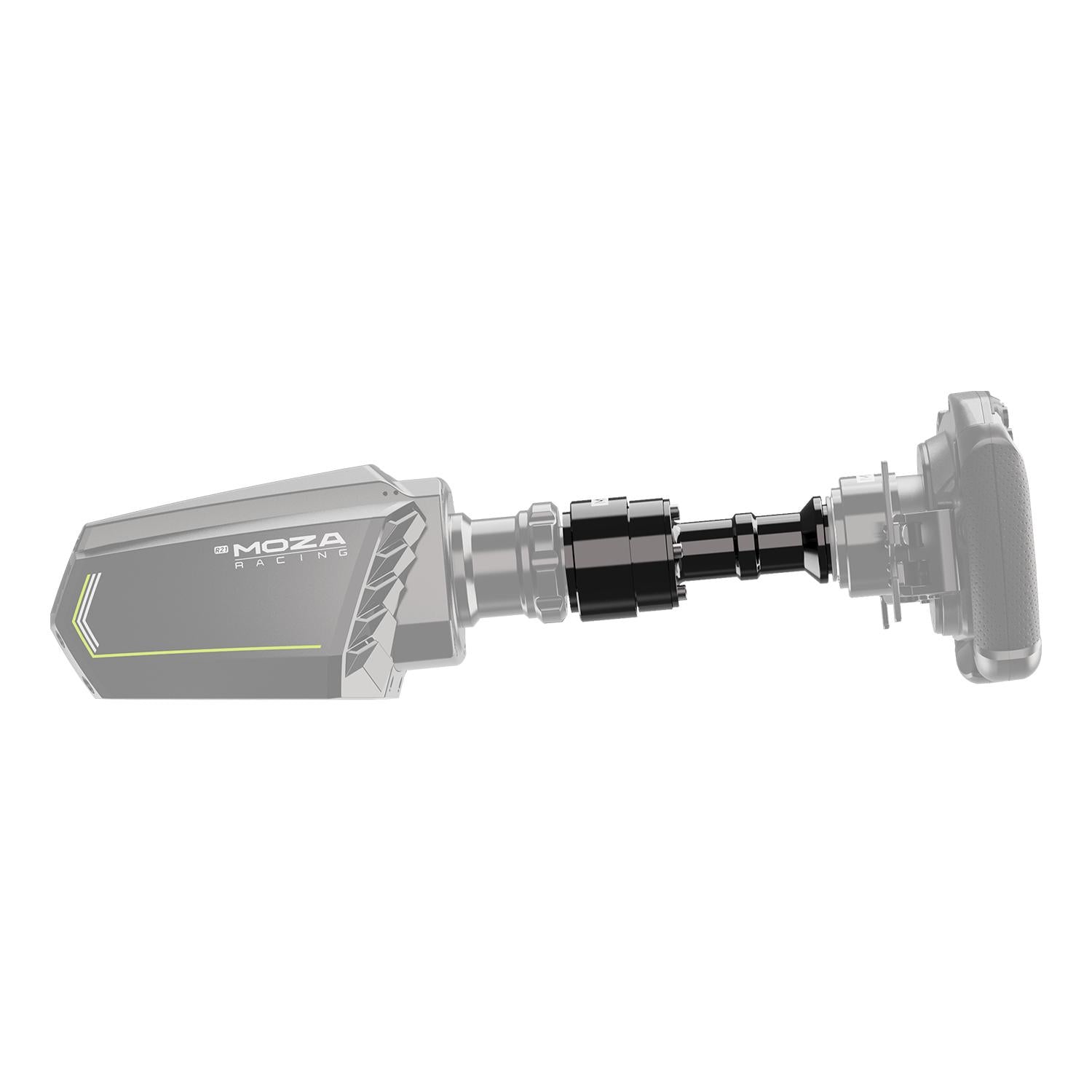
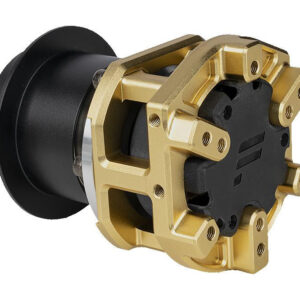
The MOZA Extension Rod is a 15 cm CNC-machined aluminum extension rod that fits between your MOZA base and the steering wheel. It brings the steering wheel closer to the driver and allows you to move the base backward to hide it behind a screen or dashboard. Compatible with all MOZA bases (R3 through R21), it retains the original quick-release mechanism for tool-free steering wheel changes.
When you buy through our links, we may earn an affiliate commission.
What We Liked
- Rigid, deformation-resistant CNC-machined aluminum
- Compatible with the entire range of MOZA bases (R3 through R21)
- Original quick-release mechanism retained; tool-free steering wheel replacement
- Allows you to hide the base behind a screen or dashboard
- Complete mounting kit included (brackets, M8 screws, T-nuts, wrench)
- Lightweight design that minimizes rotational inertia
Reserves
- A purely ergonomic and aesthetic accessory; no performance gain
- Extension length fixed at 15 cm; not adjustable
- Is only relevant within the MOZA ecosystem
Technical Specifications
| Extension length | 15 cm |
| Material | CNC-machined aerospace-grade aluminum |
| Weight | 700 g (including packaging) |
| Compatible bases | MOZA R3, R5, R9, R12, R16, R21 |
| Quick-release | retained (tool-free steering wheel replacement) |
| Package Dimensions | 101 x 100 x 213 mm |
| Contents | mounting bracket, cable, 4 corner brackets, 8 M8 screws, 4 M8 T-nuts, hex wrench |
| Warranty | up to 24 months on the main body |
Bringing the steering wheel closer, hiding the base: the idea behind the extension
In a sim racing cockpit, the position of the base relative to the steering wheel affects both ergonomics and aesthetics. The MOZA Extension Rod addresses this specific need: it adds 15 cm between the base and the quick-release mechanism, bringing the steering wheel closer to the driver and moving the base farther back. As a result, you can slide the Direct Drive behind a monitor or under a dashboard, creating a cleaner cockpit layout that resembles the steering column of a real race car.
This is more of a design element than a performance component, and should be viewed as such. It does not change the torque or the force feedback sensation of your base; it changes the geometry of your setup.
A machined aluminum rod designed for rigidity
MOZA cuts the extension from CNC-machined, aerospace-grade aluminum—a logical choice for this type of accessory. The key challenge with a spindle extension is to prevent flex: the farther the steering wheel is moved from the base bearing, the more even the slightest play would be felt in the hands. The advertised construction emphasizes high rigidity and resistance to deformation, with low rotational inertia thanks to a lightweight design. This is exactly what you’d expect from a good extension: material where it’s needed, without unnecessarily weighing down the assembly during rotation.
Compatibility: the entire range of MOZA bases
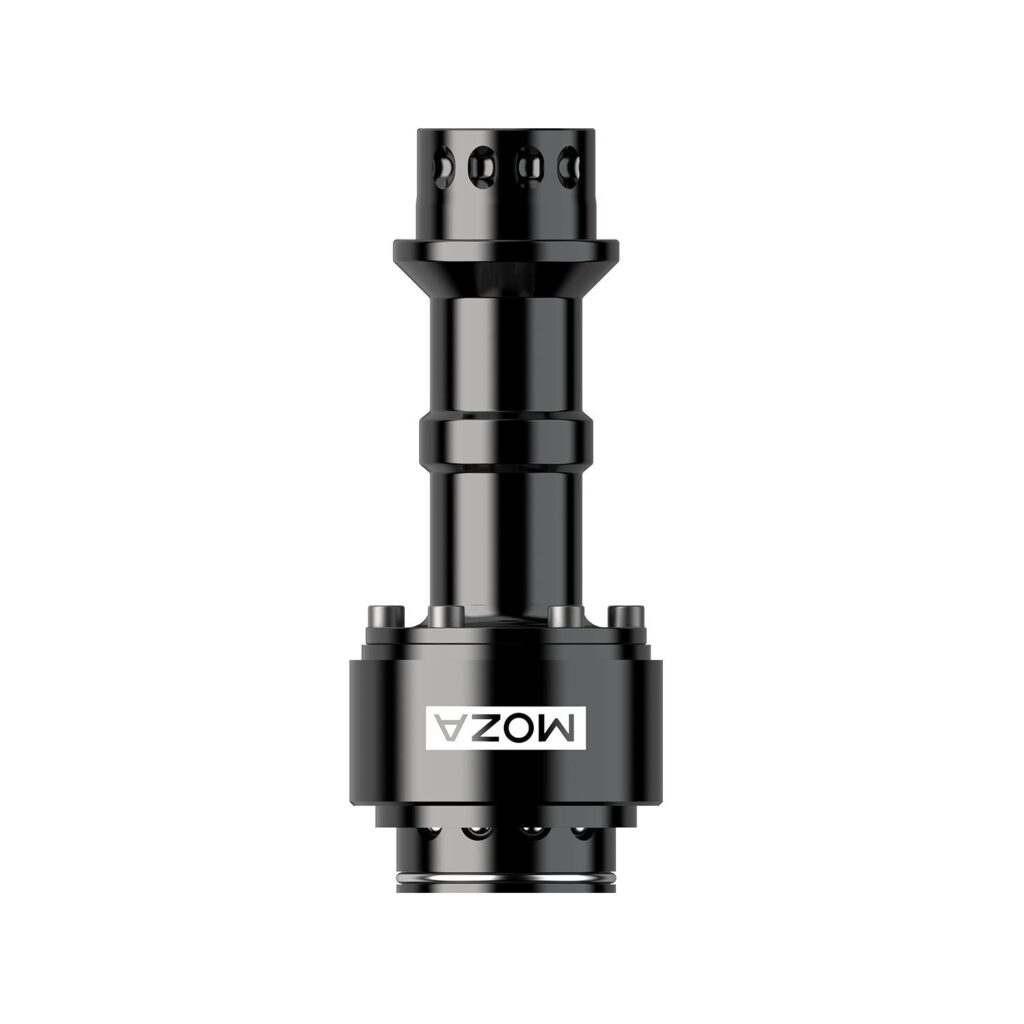
One good thing is that the extension covers all current MOZA bases: R3, R5, R9, R12, R16, and R21. Whether you’re starting with a small R5 or a high-end R21, the setup is supported. Let’s clarify one point to avoid any misunderstandings: this is an accessory that mounts between a base and a MOZA steering wheel, so the question of whether it’s for a PlayStation or Xbox console doesn’t apply here—it depends on your base and your steering wheel, not on the extension.
Mounting and quick-release mechanism retained
MOZA had the good sense to keep the original quick-release system. The extension slips into the chain without eliminating the feature that makes the entire ecosystem so appealing: changing the steering wheel in just a few seconds, without tools. A cable is built in to route the connections to the steering wheel, so connectivity isn’t compromised by the additional 15 cm. The kit comes with everything needed for installation: a mounting bracket, a cable, four corner brackets, eight M8 screws, four M8 T-nuts, and a hex wrench. That’s all you need to securely mount the assembly on an aluminum cockpit rail without having to hunt for hardware.
Versatility and Use Cases
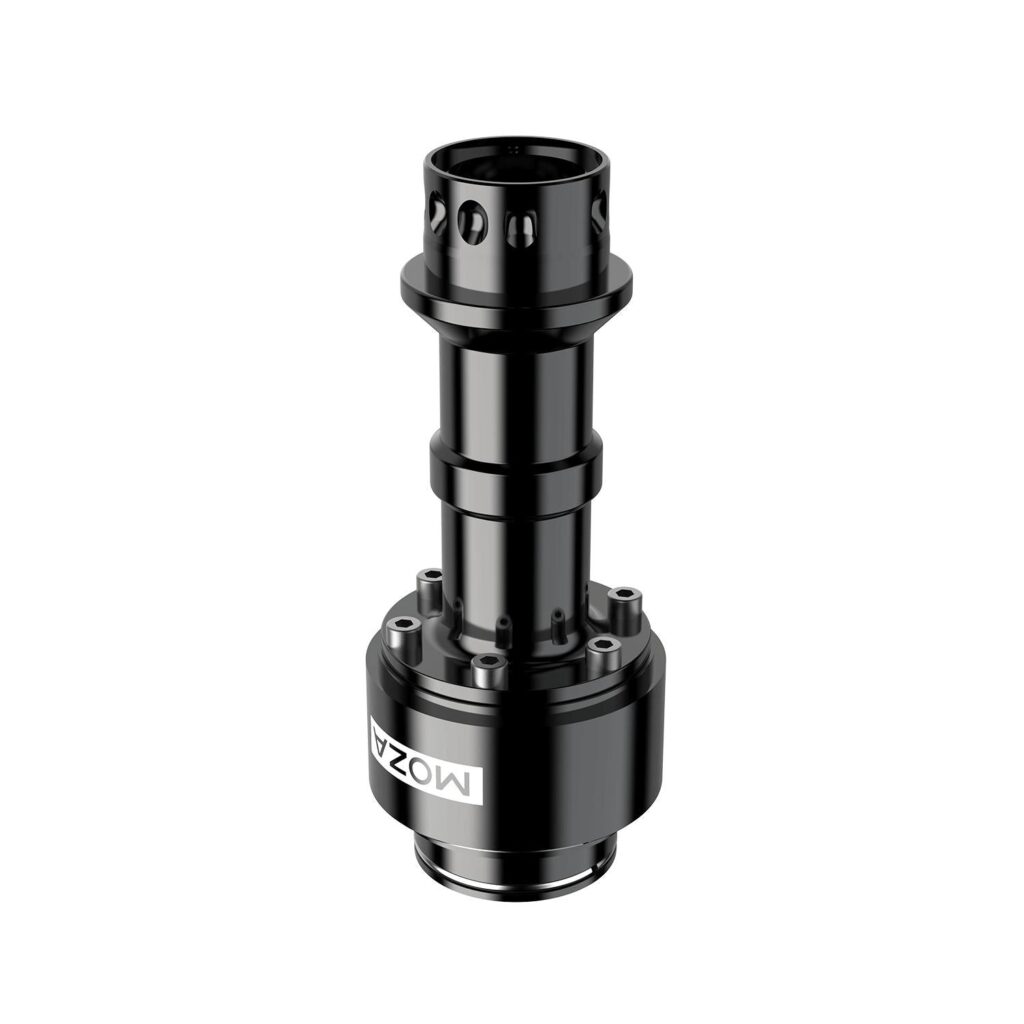
This extension really comes into its own in single-screen or triple-screen setups where you want to create more visual depth by moving the base back, or in Formula-style cockpits where a long steering column brings the steering wheel closer to the torso. It’s also a real plus for anyone building a dashboard: hiding the base behind a panel while keeping the steering wheel at the right distance gives a much cleaner look.
On the other hand, if you're happy with your current seat and the steering wheel already fits comfortably in your hands, the upgrade is purely cosmetic and ergonomic. It's a purchase for comfort and quality, not a performance upgrade.



Reviews