Fanatec ClubSport Wheel Drift V2 for Xbox : Test & Review | What it's really worth in 2026
Fanatec ClubSport Wheel Drift V2 for Xbox: My quick review
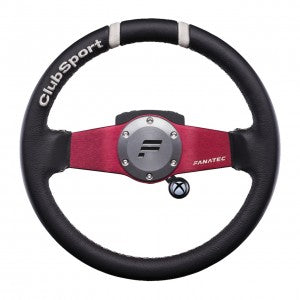
The ClubSport Steering Wheel Drift V2 for Xbox is a complete Fanatec package that combines a 320 mm round deep-dish rim with the Universal V2 for Xbox hub. The leather-wrapped aluminum rim is designed for drifting, rally, and road racing, while the hub features buttons, magnetic paddles, and an LED display. Compatible with Xbox One, Xbox Series X|S, and PC, it mounts onto most Fanatec bases. A modular and scalable entry point into the brand’s ecosystem.
When you buy through our links, we may earn an affiliate commission.
What We Liked
- Complete set: Drift rim, Universal V2 hub, and QR2—all in one box
- 320-mm round rim with a deep dish, ideal for drifting and rallying
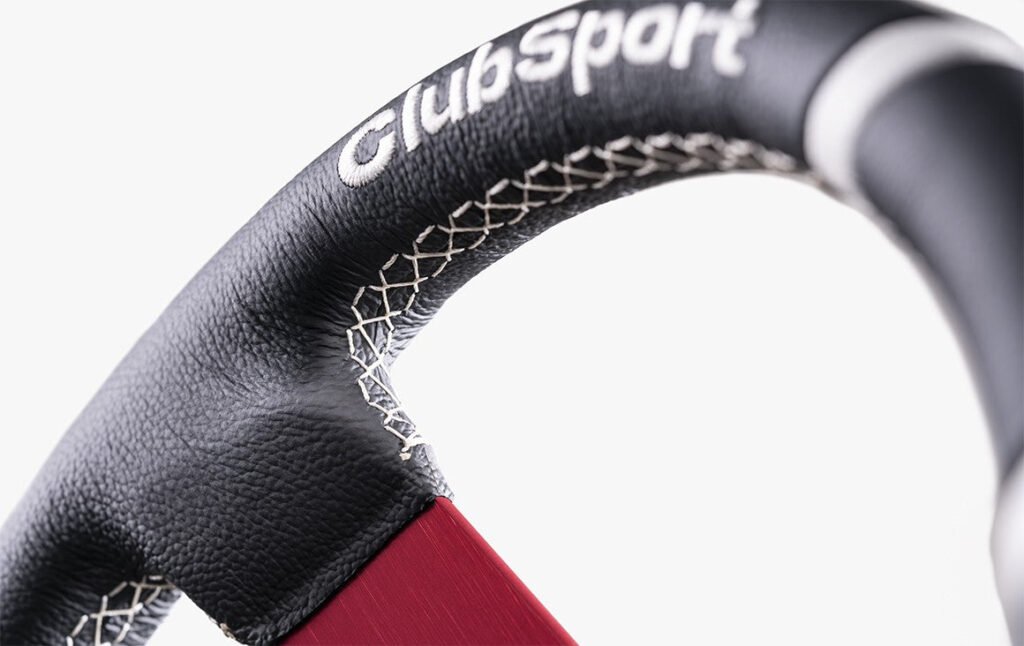
- Aluminum covered in genuine leather, with a high-quality, durable finish
- Pre-installed magnetic palettes with a crisp click
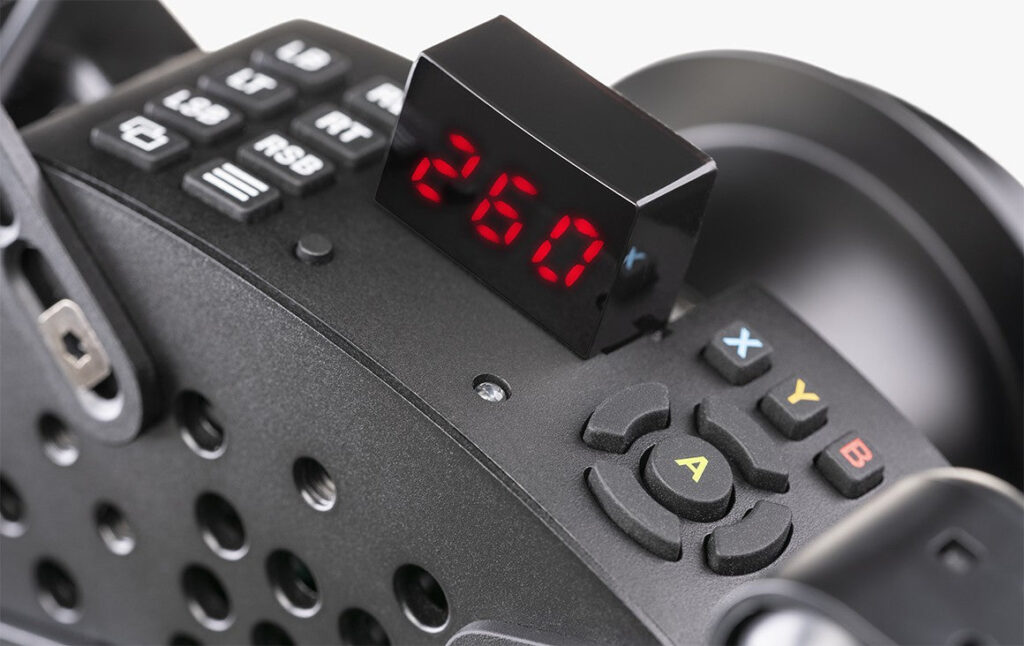
- Fully equipped hub: 16 buttons, 4 clusters, 7-way FunkySwitch, LED display
- Adjusting the steering wheel force feedback using the Tuning Menu button
- Compatible with a wide range of Fanatec bases and comes with a 3-year warranty
Reserves
- A round shape is not well-suited for single-seaters or pure GT cars, where a flat top would be preferable
- Xbox Version: Works on Xbox and PC, but not on PlayStation
- No vibration motor built into the hub
- A pricing strategy that requires a compatible foundation to already be in place
Technical Specifications
| Type | Complete wheel (rim + hub) |
| Diameter | 320 mm |
| Form | Round, deep dish (about 90 mm) |
| Rim material | Brushed and anodized aluminum, genuine leather |
| Rim weight | 929 g |
| Total weight | about 1929 g |
| Paddles | ClubSport Magnetic Paddle Module pre-installed |
| Buttons | 16 built-in buttons + 4 clusters of 3 buttons each |
| Inspections | FunkySwitch 7-way, rotary encoder, 3-digit LED display |
| Quick-release fastener | QR2 on the steering wheel side |
| Compatibility | Xbox One, Xbox Series X|S, PC; PlayStation via a PS-licensed Fanatec base |
| Bases | DD1, DD2, ClubSport V2/V2.5, CSL Elite, CSL DD, Gran Turismo DD Pro |
| Warranty | 3 years |
A round rim mounted on a hub that does it all
The ClubSport Steering Wheel Drift V2 for Xbox isn't just a wheel rim. It's a complete package that combines the ClubSport Wheel Rim Drift, the ClubSport Universal Hub V2 for Xbox, and the QR2 quick-release mount on the steering wheel side. In other words, you get both a wheel rim designed for drifting and rally racing, and all the electronics (buttons, paddles, display) integrated into the hub. This design is key: since the hub is universal, the same control unit can accommodate other Fanatec rims in the future.
The Drift rim: 320 mm, deep dish, leather
The rim has a diameter of 320 mm—the size of a real race car steering wheel—and a perfectly round shape. It features a brushed and anodized aluminum structure, covered in genuine leather with a smooth finish. The signature feature is the deep dish—a recess of approximately 90 mm that brings the rim closer to the driver and provides leverage. This round, hollow design is no accident: it’s exactly the geometry needed for tight countersteering angles in drifting, quick corrections in rallying, or driving classic cars. The rim alone weighs 929 g; the fully assembled wheel weighs around 1929 g, which is reasonable for this diameter.
The Universal V2 Hub: The Real Control Center
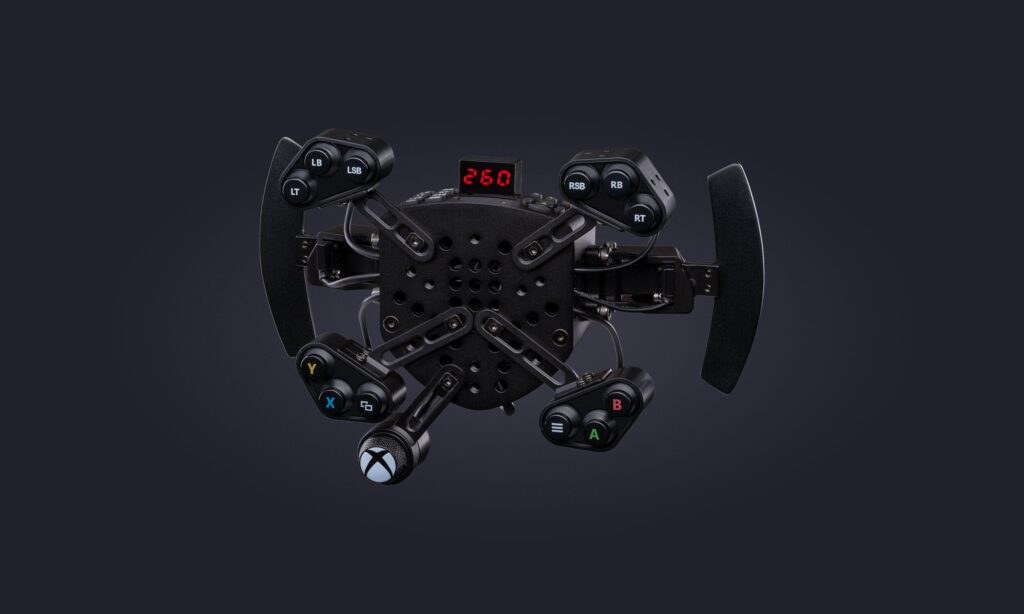
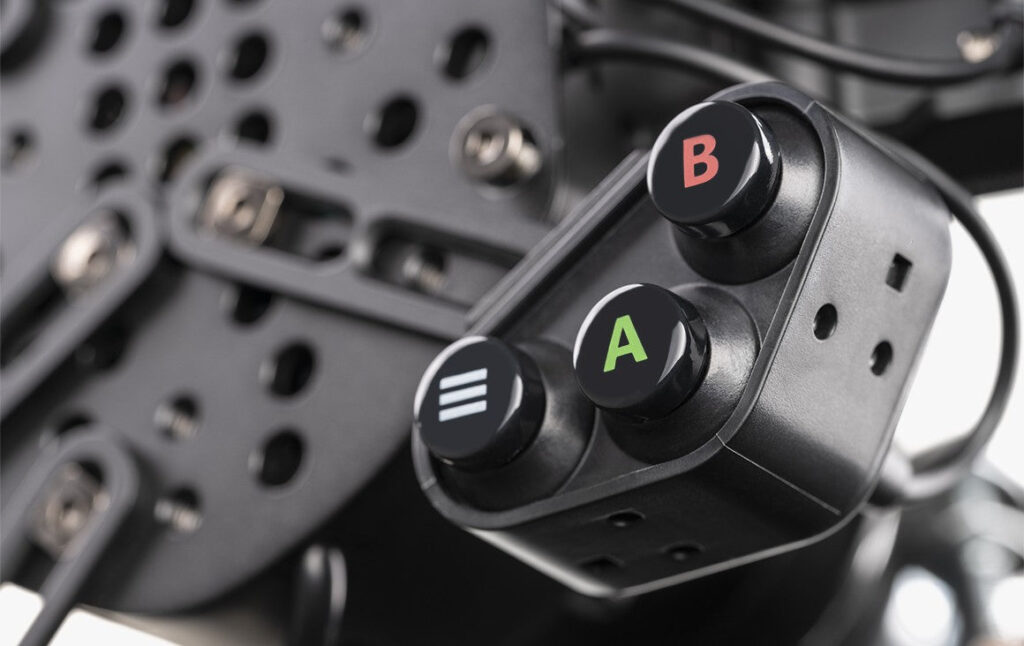
All the functionality is concentrated in the hub. It features sixteen built-in buttons on top, four removable clusters of three buttons each, a 7-way FunkySwitch (with a pushbutton and rotary encoder), and a three-digit LED display that can be mounted in two positions. A Tuning Menu button lets you adjust force feedback directly from the steering wheel, without taking your hands off it. The DataPort-C connector also allows you to connect an optional Podium Button Module Endurance, for those who want even more controls.
Magnetic palettes and true modularity
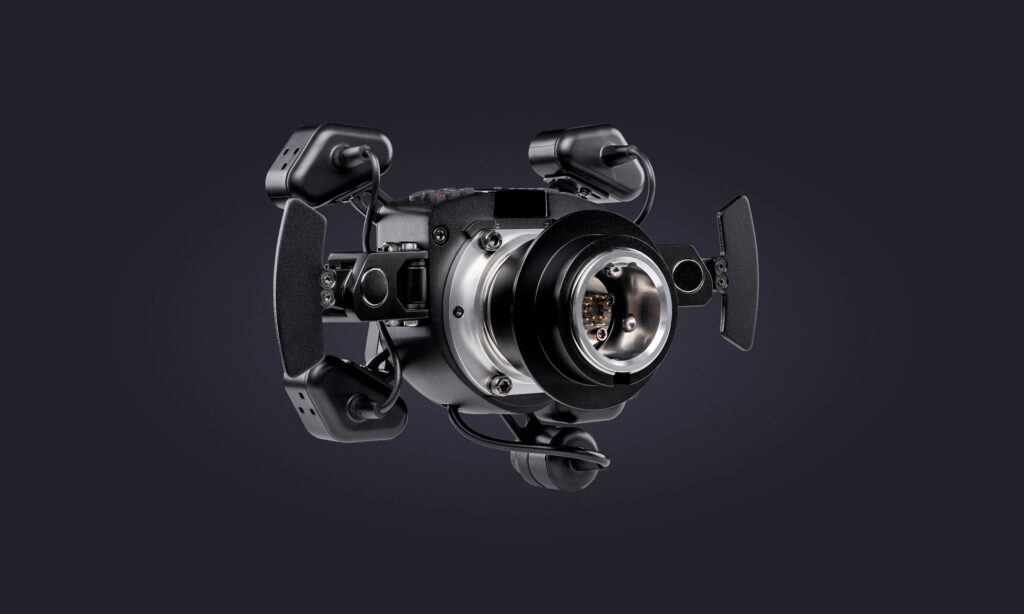
The hub comes with the ClubSport Magnetic Paddle Module pre-installed. The magnetic paddles provide a crisp, distinct click with every gear shift—a significantly more premium feel than a conventional switch. Fanatec includes two sets of paddle plates (for small and large rims) as well as spacers, so the paddle spacing can be adjusted to fit the rim diameter. It’s these kinds of details that make the system scalable rather than fixed.
Xbox and PC: What the Xbox Version Unlocks
This is the crux of the matter—and the pitfall to avoid. This Xbox version makes the system compatible with both Xbox One and Xbox Series X|S, and also works on PC with full functionality. The hub is compatible with a wide range of Fanatec bases: DD1, DD2, ClubSport V2 and V2.5, CSL Elite, CSL DD, and Gran Turismo DD Pro. As for third-party wheels, 6x70 mm and 3x50 mm bolt patterns are supported. Fanatec backs the entire product with a 3-year warranty.
Who should consider this?
This Drift V2 is clearly aimed at intermediate to experienced drivers who know what they’re looking for: a round, deep-dish, lightweight wheel designed for drifting, rallying, sporty street cars, or classic cars. Motivated beginners who want to invest right away in a serious, durable wheel will also find what they’re looking for, keeping in mind that this isn’t the most suitable wheel for single-seaters or pure GT cars, where a flat-bottomed design would be better suited. On a direct-drive platform, the combination of a complete hub and a lightweight rim remains a logical and long-lasting entry point into the Fanatec ecosystem.
Frequently Asked Questions
Which sim racing wheel should you choose if you're just starting out?
Direct drive or belt drive: What's the difference?
Does this hardware work on PS5 and Xbox?
Do you need a cockpit to get off to a good start?
How much should I budget for a good setup?
Other Reviews & Testimonials
-
Ascher F64-V3
-
Fanatec ClubSport Steering Wheel GT Forza Motorsport V2 for Xbox
-
Fanatec ClubSport Steering Wheel GT Alcantara V2
-
Ascher Racing B24-SC
-
Fanatec ClubSport Steering Wheel Rally Sweden for Xbox
-
Ascher Racing F28-SC V2
-
Fanatec ClubSport Steering Wheel F1 Esports V2
-
Fanatec ClubSport Steering Wheel Porsche 911 GT3 R V2 for Xbox (Suede)


Reviews