Fanatec ClubSport Steering Wheel Porsche 911 GT3 R V2 for Xbox (Leather) : Test & Reviews | What it's really worth in 2026

Fanatec ClubSport Steering Wheel Porsche 911 GT3 R V2 for Xbox (Leather) : My opinion in brief
A full-size replica of the Porsche 911 GT3 R steering wheel, this ClubSport V2 features a genuine leather rim, a fully equipped endurance racing control panel, and a built-in Xbox hub. A 2.7-inch OLED screen, RGB LEDs, magnetic paddles, and a QR2 quick-release mount make it a centerpiece of the Fanatec ecosystem. It’s designed for drivers who already own a Fanatec base and race GT3 on both PC and Xbox.
When you buy through our links, we may earn an affiliate commission.
What We Liked
- Official Porsche GT3 R replica in automotive-grade quality
- Genuine leather, brushed anodized aluminum trim, 3D Porsche badge
- 2.7-inch OLED screen with ITM telemetry and RGB LEDs
- Comprehensive control unit (FunkySwitch, encoders, joystick)
- Pre-installed, upgradeable ClubSport magnetic paddles
- Built-in Xbox hub, so Xbox and PC
Reserves
- A compatible Fanatec base is required and not included
- Significant investment
- Designed for the Fanatec ecosystem, not for third-party hardware
- Not intended for use with PlayStation consoles when using this Xbox hub
Technical Specifications
| Diameter | 320 mm |
| Weight | 2,094 g |
| Rim | brushed, anodized aluminum, genuine leather |
| Screen | 2.7-inch OLED (256x64), ITM mode |
| LEDs | 9 RGB RevLEDs and 6 RGB FlagLEDs |
| Orders | 10 buttons, 7-way FunkySwitch, 2 12-position encoders, 2-axis joystick, 2 toggles |
| Paddles | ClubSport Magnetic Paddle Module (3 mm aluminum) |
| Quick-release fastener | QR2 on the steering wheel side |
| Compatibility | PC and Xbox One / Series X|S; PlayStation via a PS-licensed Fanatec base |
| Required Prerequisites | Compatible Fanatec base (not included) |
A Porsche-licensed racing wheel
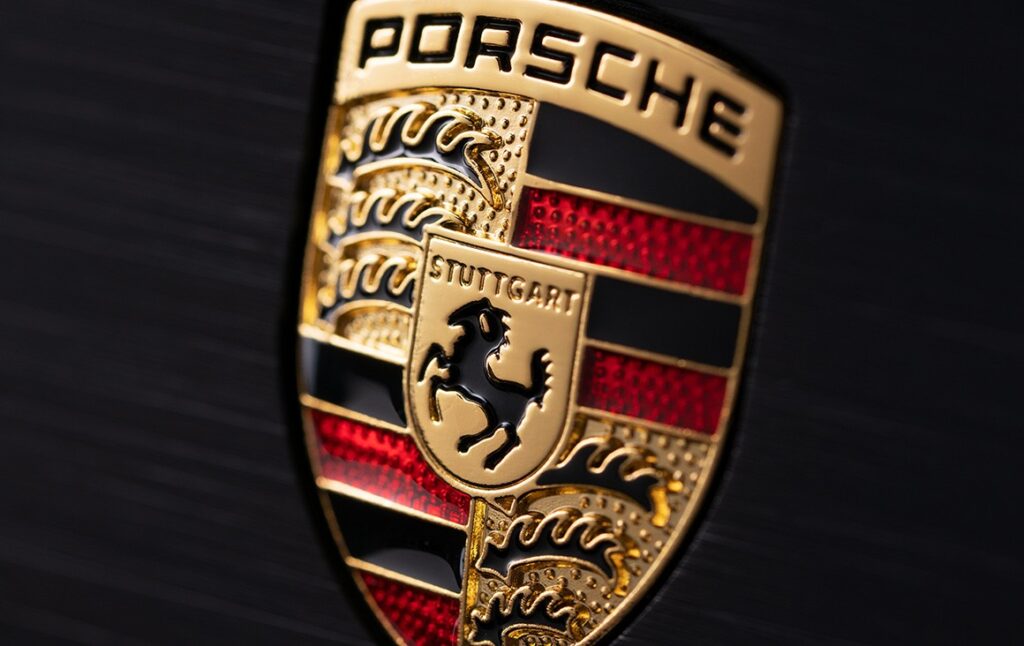
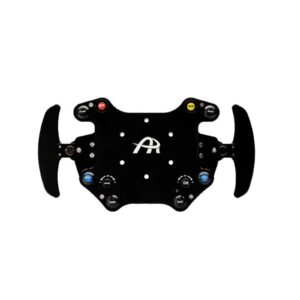
This Porsche 911 GT3 R V2 ClubSport Steering Wheel is a full-scale replica of the steering wheel found in the actual 911 GT3 R, modeled from the original CAD data. It features a 320 mm diameter, a brushed and anodized aluminum rim, and a meticulously crafted 3D-embossed metallic Porsche badge. In this leather version, the rim is wrapped in smooth genuine leather—a more classic finish that’s easier to maintain than Alcantara, since it doesn’t require the use of gloves. The entire unit weighs 2,094 g, a weight that remains reasonable for a steering wheel of this size and build quality.
A control station built for endurance
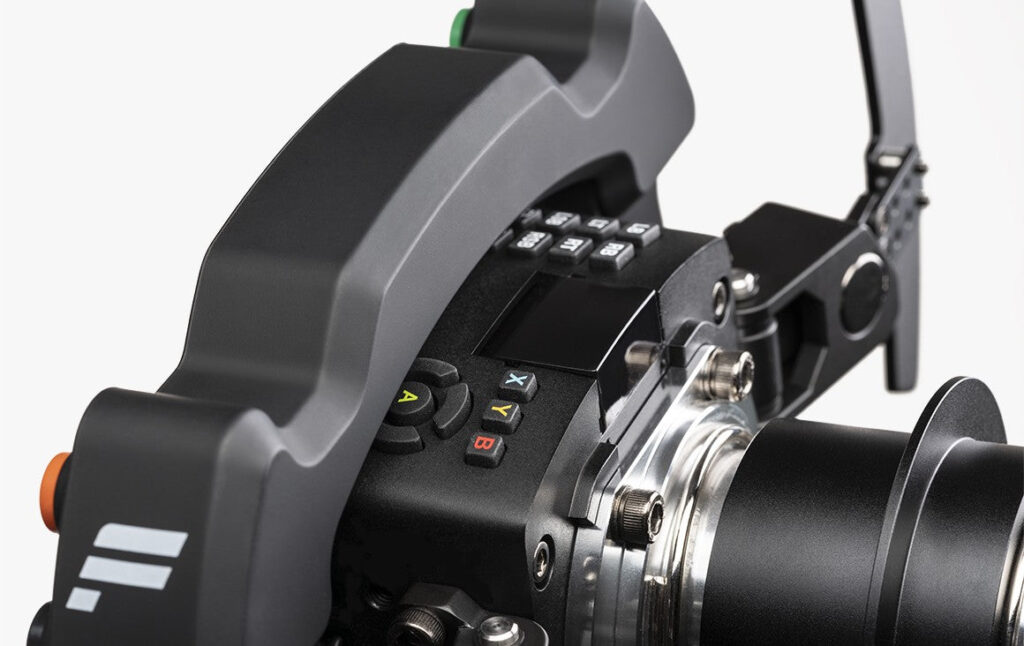
The real strength of this steering wheel lies in its Podium Button Module Endurance, integrated into the center of the rim. The driver has access to 10 buttons, two two-position toggles, a 7-way FunkySwitch, a 2-axis analog stick, and two 12-position switches that can also function as infinite rotary encoders. The button caps are removable and customizable. In practice, everything that matters in endurance racing (brake mapping, traction settings, refueling limits, radio) can be managed without letting go of the rim, which explains this model’s clear GT3 and prototype focus.
The OLED screen and the LEDs under the eyes
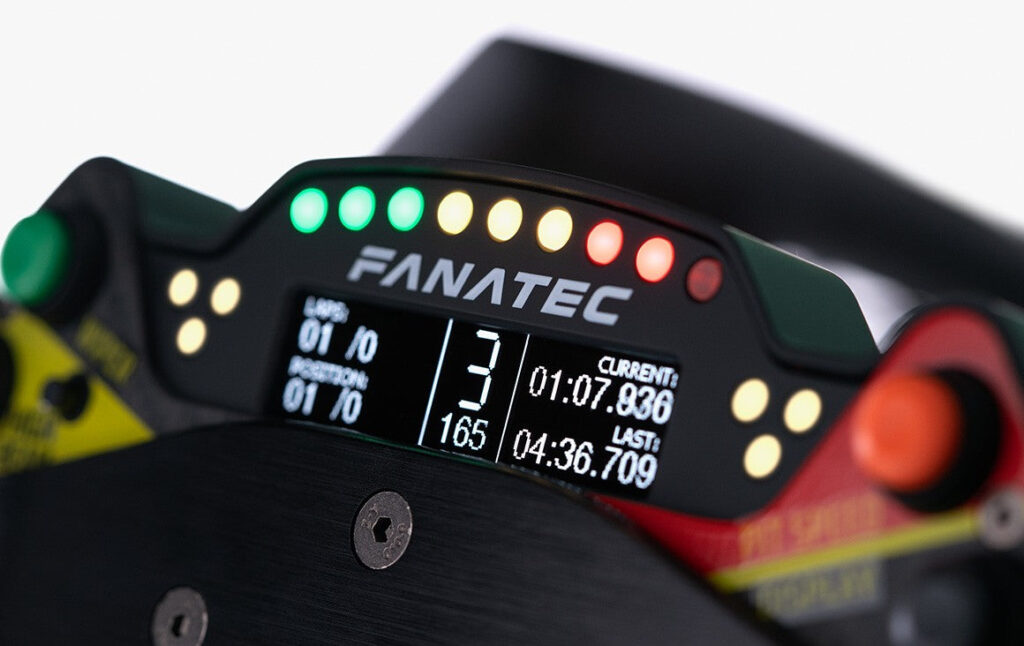
The 2.7-inch OLED screen (256x64) is the centerpiece of the front panel. It supports Intelligent Telemetry Mode and offers several telemetry layouts depending on the game, keeping data such as gear ratios, temperatures, or lap times in your field of view. It’s accompanied by 9 RGB RevLEDs for the gearshift zone and 6 RGB FlagLEDs for race information. It’s this kind of visual feedback that truly brings the experience closer to that of a real GT race car.
Magnetic paddles and quick-release fasteners
The hub comes with the ClubSport Magnetic Paddle Module pre-installed, featuring 3-mm aluminum paddles with a crisp, magnetic click. For those who want to take it a step further, this module can be replaced with the Podium Advanced Paddle Module, which adds an analog dual-clutch system that’s very useful for starts. As for mounting, the QR2 quick-release clamp on the steering wheel side ensures a secure, play-free wheel swap—a real convenience when switching between multiple steering wheels on the same base.
Xbox and PC Compatibility and System Requirements
The ClubSport Universal Hub V2 for Xbox includes the electronics needed to work on Xbox One and Xbox Series X|S, as well as on PC. Here’s what to check before buying: this version is designed for Xbox and PC, not for the PlayStation ecosystem. It’s also important to keep in mind that a compatible Fanatec base is required and is not included. The steering wheel is compatible with the brand’s main bases, from the Podium DD1 and DD2 to the CSL DD, Gran Turismo DD Pro, ClubSport, and CSL Elite.
Who is this steering wheel designed for?
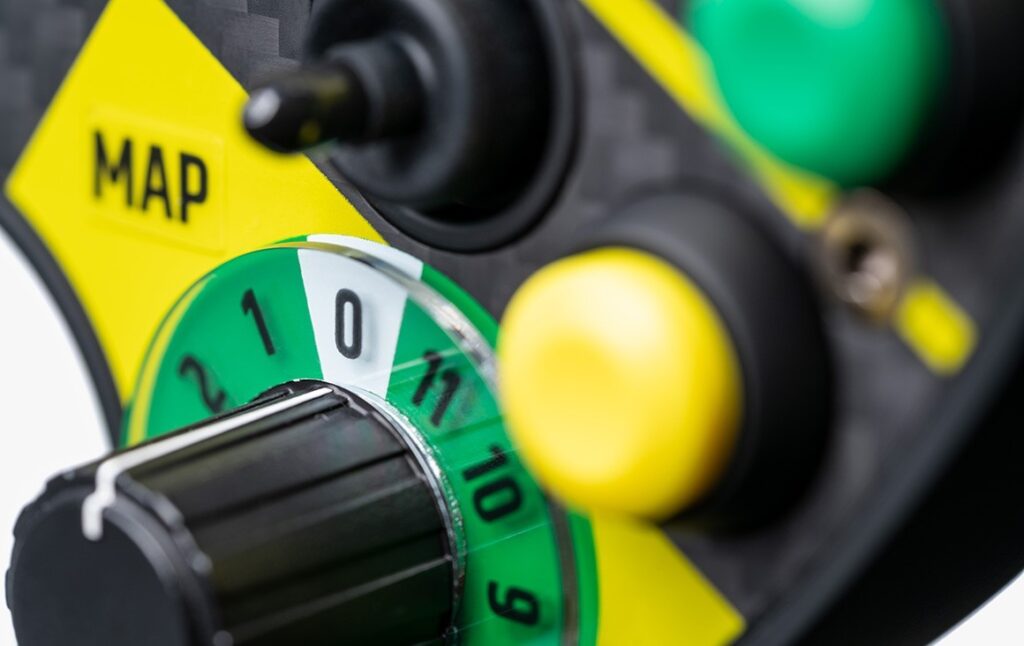
This ClubSport Porsche 911 GT3 R V2 is designed for sim racers already part of the Fanatec ecosystem who regularly race in GT3 or prototype classes and are looking for a durable, immersive, and seamlessly integrated steering wheel. This isn’t a purchase for a casual beginner, but for a discerning Xbox or PC gamer, the combination of an official Porsche replica, genuine leather, an OLED screen, and a full control unit makes it a benchmark product.
Frequently Asked Questions
Which sim racing wheel should you choose if you're just starting out?
Direct drive or belt drive: What's the difference?
Does this hardware work on PS5 and Xbox?
Do you need a cockpit to get off to a good start?
How much should I budget for a good setup?
Other Reviews & Testimonials
-
Fanatec ClubSport Steering Wheel Rally Sweden for Xbox
-
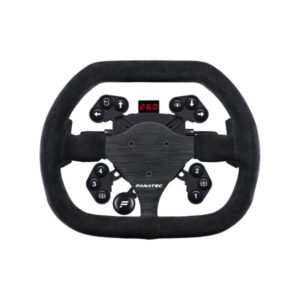
Fanatec ClubSport Steering Wheel Flat 1 V2 for Xbox
-
Fanatec ClubSport Steering Wheel R300 V2 for Xbox
-
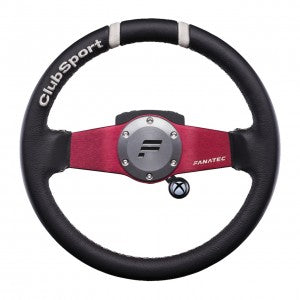
Fanatec ClubSport Wheel Drift V2 for Xbox
-
Fanatec ClubSport Steering Wheel Flat 1 V2
-
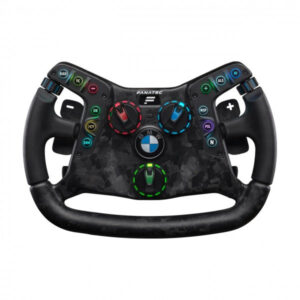
Fanatec ClubSport BMW M4 GT3
-
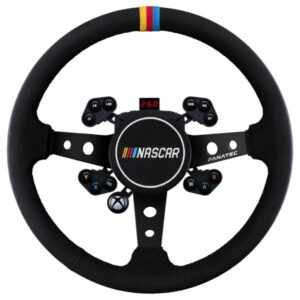
Fanatec ClubSport Steering Wheel NASCAR V2 for Xbox
-
Ascher Racing B24-SC


Reviews