
Fanatec CSL Cockpit : Test & Reviews | What it's really worth in 2026
Fanatec CSL Cockpit: My quick review
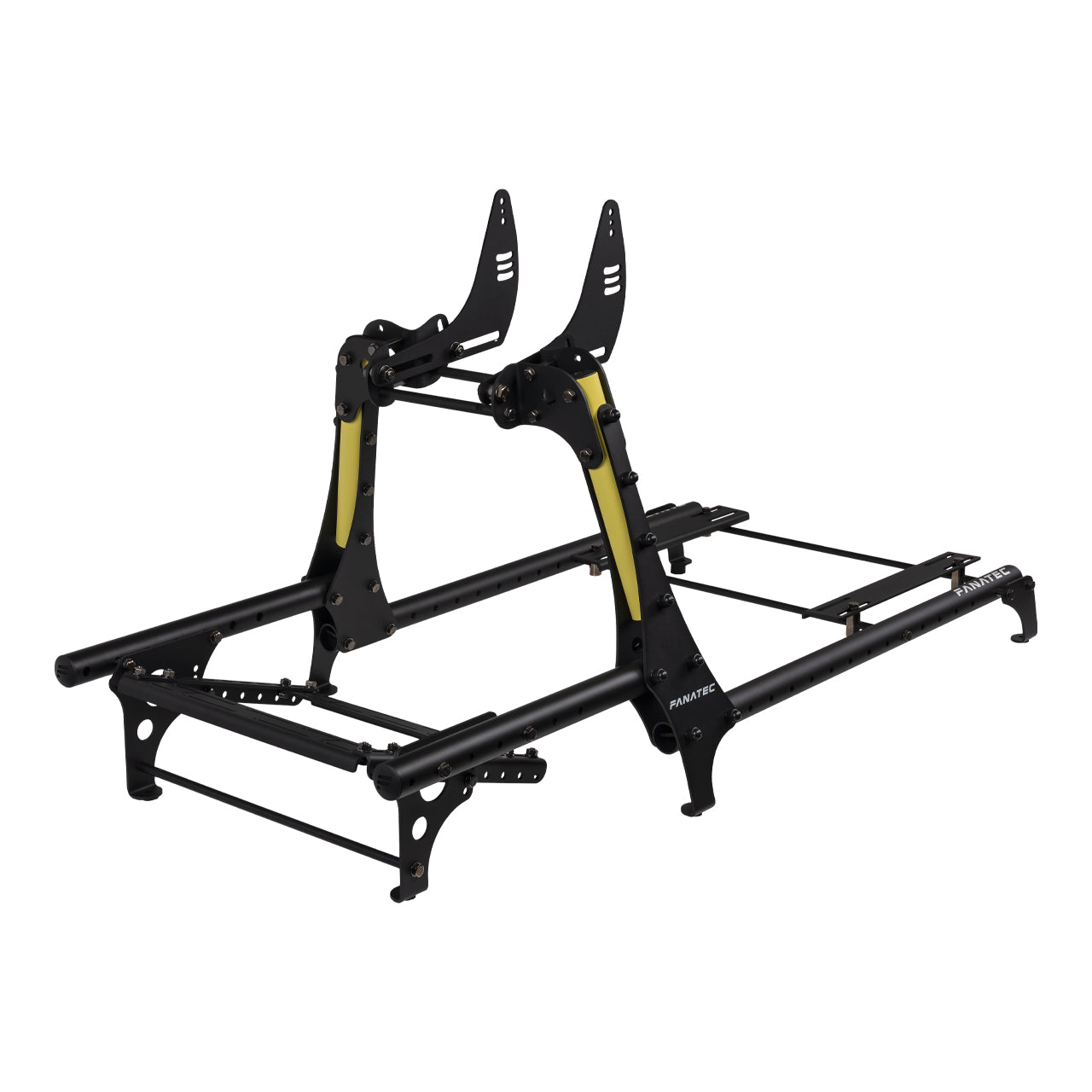
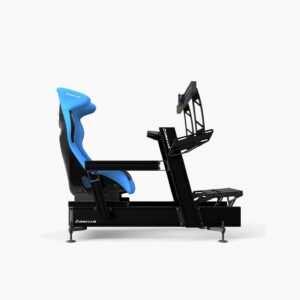
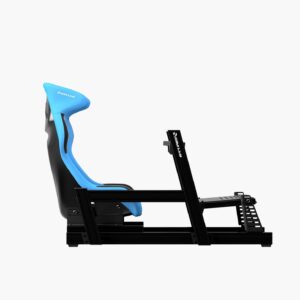
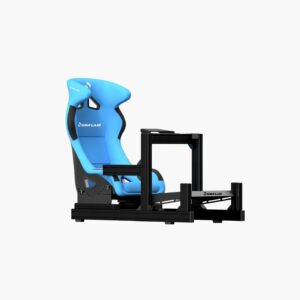
The CSL Cockpit is Fanatec’s compact GT chassis, designed to accommodate the company’s in-house Direct Drive bases in a side-mounted configuration. Made of aluminum and steel, the steering wheel mount is very rigid even under 12 Nm of torque, but the pedal bridge bends under heavy braking, and the adjustment options are limited. A single-user rig tailored for the Fanatec ecosystem, not for shared setups or third-party bases.
When you buy through our links, we may earn an affiliate commission.
What We Liked
- The steering column is very rigid, even with a torque of 12 Nm
- Aluminum and steel construction for entry-level rigs
- Quick, step-by-step assembly; parts labeled and tools included
- Compact size, ideal for small spaces
- Monitor stand for up to 49-inch ultrawide monitors (optional mount)
- Kart orientation is possible by reversing the mounts
Reserves
- Bottom bracket shell that bends during hard braking at the living quarters
- Limited and cumbersome adjustments (two levers), no true seat slide
- Not well suited for configurations shared among multiple drivers
- Closed ecosystem: side mounting reserved for Fanatec bases
- Very low seating position, making it less convenient to get in and out
- Compact shifter mount; supports only one device at a time
Technical Specifications
| Type | Compact GT Chassis (Cockpit) |
| Materials | Aluminum tubes, steel brackets, black and yellow powder-coated finish |
| Basic Assembly | Side Panel, Fanatec Direct Drive Mounts |
| Compatible bases | CSL Elite, CSL DD, Gran Turismo DD Pro, ClubSport (including DD and DD+), Podium DD1/DD2 |
| Steering Wheel Adjustment | Angle: 0 to 30° (continuously adjustable), 80 mm in distance, 3 heights |
| Kart Position | Yes (reversible mounts) |
| Pedal set Adjustment | Slope and Distance |
| Compatible pedals | CSL, CSL Elite, CSL Elite V2, ClubSport |
| Monitor Stand | VESA up to 34 inches, ultrawide up to 49 inches (optional mount) |
| Headquarters | Compatible with standard racing seats; optional dedicated Fanatec seat |
| Optional Accessories | Slides, shifter mount, keyboard holder, tablet |
A rig designed primarily for the Fanatec ecosystem
Before we even talk about durability, we need to establish the framework, because that’s where the CSL Cockpit really shines. This compact GT chassis is designed around the side-mount configuration of Fanatec Direct Drive bases: you screw the base onto the side panels, not onto a front plate. In short, it’s compatible with the CSL Elite, CSL DD, and Gran Turismo DD Pro, as well as the ClubSport series (including ClubSport DD and DD+) and the Podium DD1/DD2. However, forget about a Simucube, a Moza, or a Thrustmaster: the design isn’t intended for them, and console compatibility depends entirely on the base you install (the GT DD Pro opens up the PlayStation ecosystem, while the others are primarily aimed at PC and Xbox). This is a deliberate choice for a closed ecosystem—one you should be aware of from the moment of purchase.
Manufacturing: Real Materials, Not Knockoffs
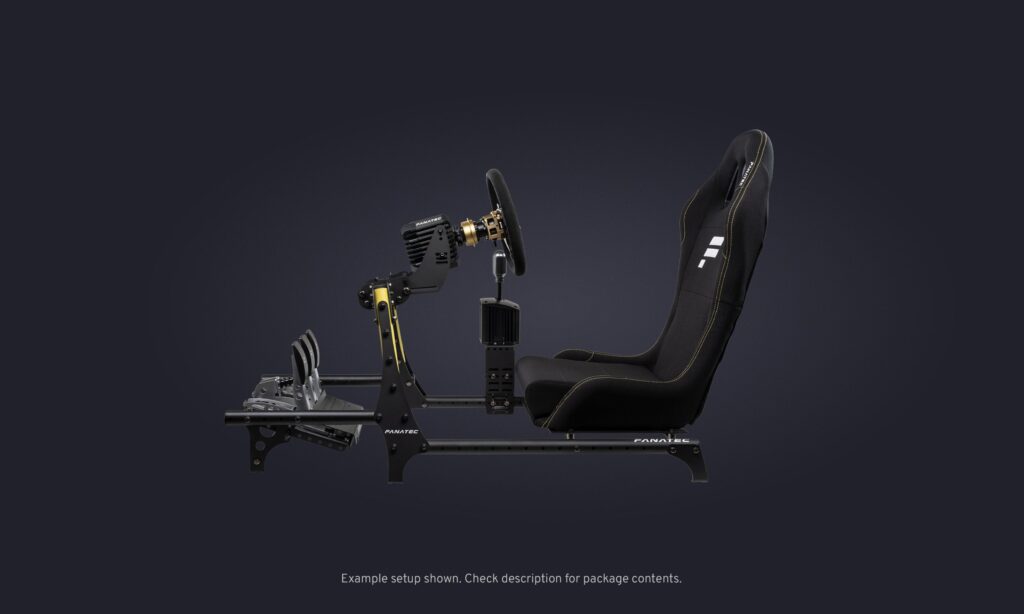
As soon as you start cutting open the boxes, you can immediately tell that this is a cut above generic entry-level rigs. Aluminum tubes, steel brackets, and a neatly applied black and yellow powder coat: the whole thing exudes quality, and the assembly process is straightforward, with labeled screws and included tools. The angled struts effectively distribute stress. You can put it all together in one quick session without any hassle, and the finish holds its own against more expensive frames. It’s not overcomplicated—it’s a solid, clean frame.
Behind the wheel, the cockpit doesn't budge
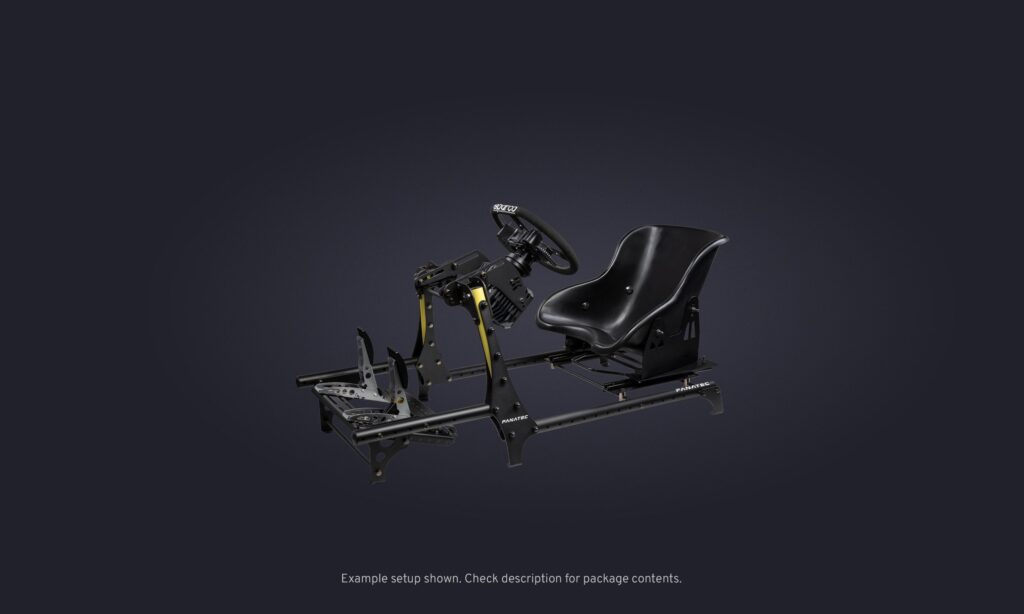
That’s where the CSL Cockpit surprised us the most. We tested it with a 12 Nm ClubSport DD during one- to two-hour sessions, and the steering column held up without a hitch. Force transfer through the structure is clean: the steering wheel doesn’t wobble on its column, even during a sudden acceleration into a turn or a sharp correction when oversteering. We pushed the torque to the limit, looking for the point where it starts to strain, and almost nothing bothersome happened. This direct connection, without any unwanted play, is exactly what a flexible mount will never be able to offer, and it changes how you perceive the road surface.
The real downside: the bottom bracket shell
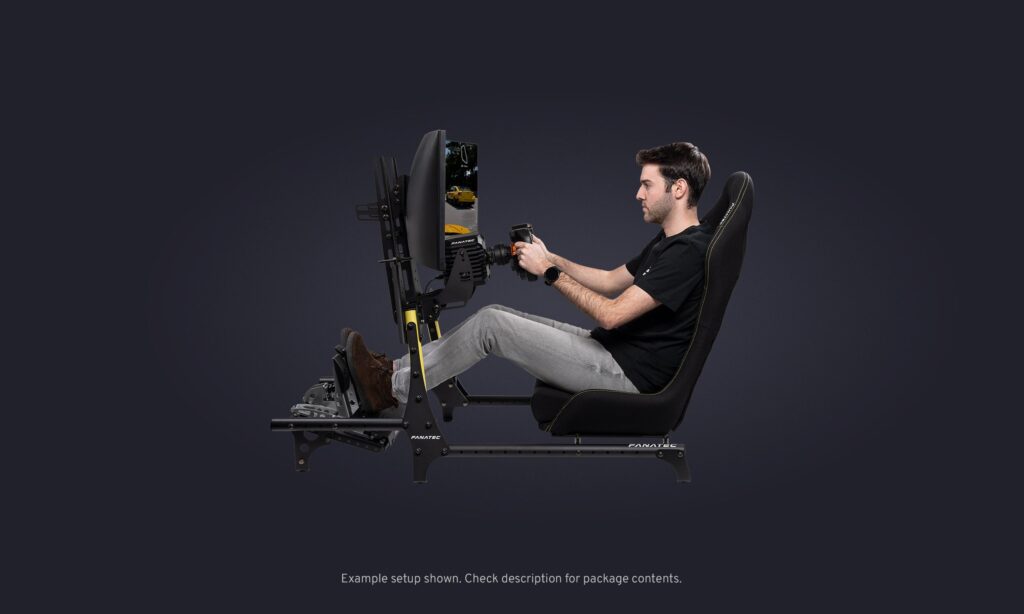
The Achilles’ heel lies further down. The pedal mount is compatible with all Fanatec pedal sets, including load sensors, but during hard braking, you can feel the plate flex. It’s nothing catastrophic—you still maintain control over the lock-up threshold—but after experiencing the steering column’s exemplary rigidity, the contrast is stark and a bit frustrating during hard braking. Over long sessions, you learn to modulate your input, but a driver who relies heavily on the load cell will notice it.
Settings: Designed for a single rider
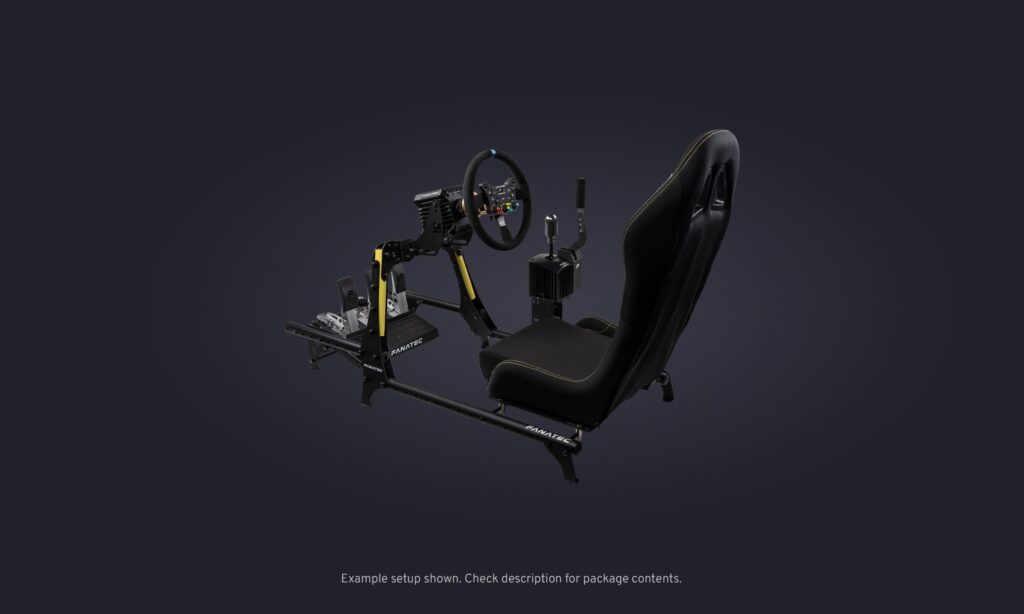
The CSL Cockpit is adjustable, but only to a limited extent and with some effort. The steering wheel angle is continuously adjustable from 0 to 30 degrees, with 80 mm of fore-aft travel and three height positions; you can even reverse the mounts for a kart-style position. The pedal set tilts and slides back and forth. In practice, each adjustment requires two wrenches and a bit of patience, and the seat offers only a very short range of motion, with no sliding mechanism worth mentioning. You adjust it once to fit your body type, and then you don’t touch it again. For a setup shared among people of different sizes, this quickly becomes a hassle. Another detail: you sit almost at ground level, which can make getting in and out difficult.
Around the chassis: screen, seat, accessories
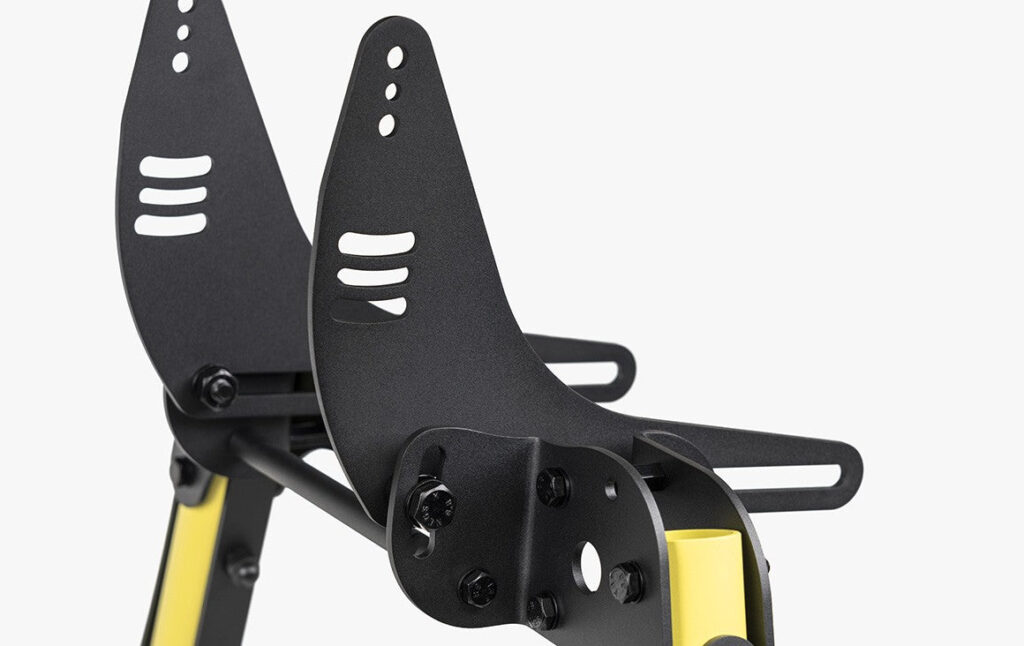
The frame supports most VESA monitors up to 34 inches, or an ultrawide monitor up to 49 inches, using the optional monitor mount. Fanatec also offers its own dedicated seat, rail mounts, a shifter mount, a keyboard tray, and a tablet tray, all sold separately. However, the shifter mount remains compact and can only accommodate one device at a time, which limits those who want to have the shifter and handbrake side by side. The in-house seat works well for moderate sessions but lacks lumbar support for very long races.
Who is it for, and our verdict
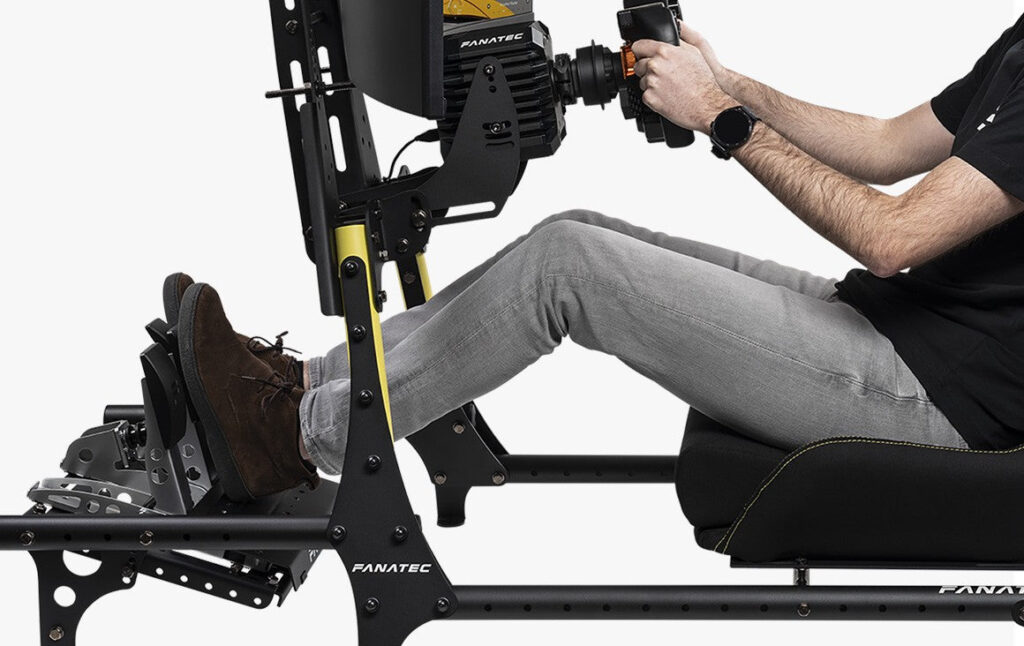
The CSL Cockpit is an excellent choice for solo drivers who are already invested in Fanatec gear, are limited on space, and want a rigid, well-finished frame without switching to a full-profile rig. Its stability behind the wheel—even at 12 Nm—is its real trump card. You just have to accept two things: the pedal bridge that bends under heavy braking, and being locked into the Fanatec ecosystem. If you share your setup or are eyeing a third-party base, look elsewhere. Otherwise, it’s a solid and durable base.


Reviews