Fanatec CSL DD QR2 (5 Nm) : Test & Review | What it's really worth in 2026
Fanatec CSL DD QR2 (5 Nm) : My opinion in brief
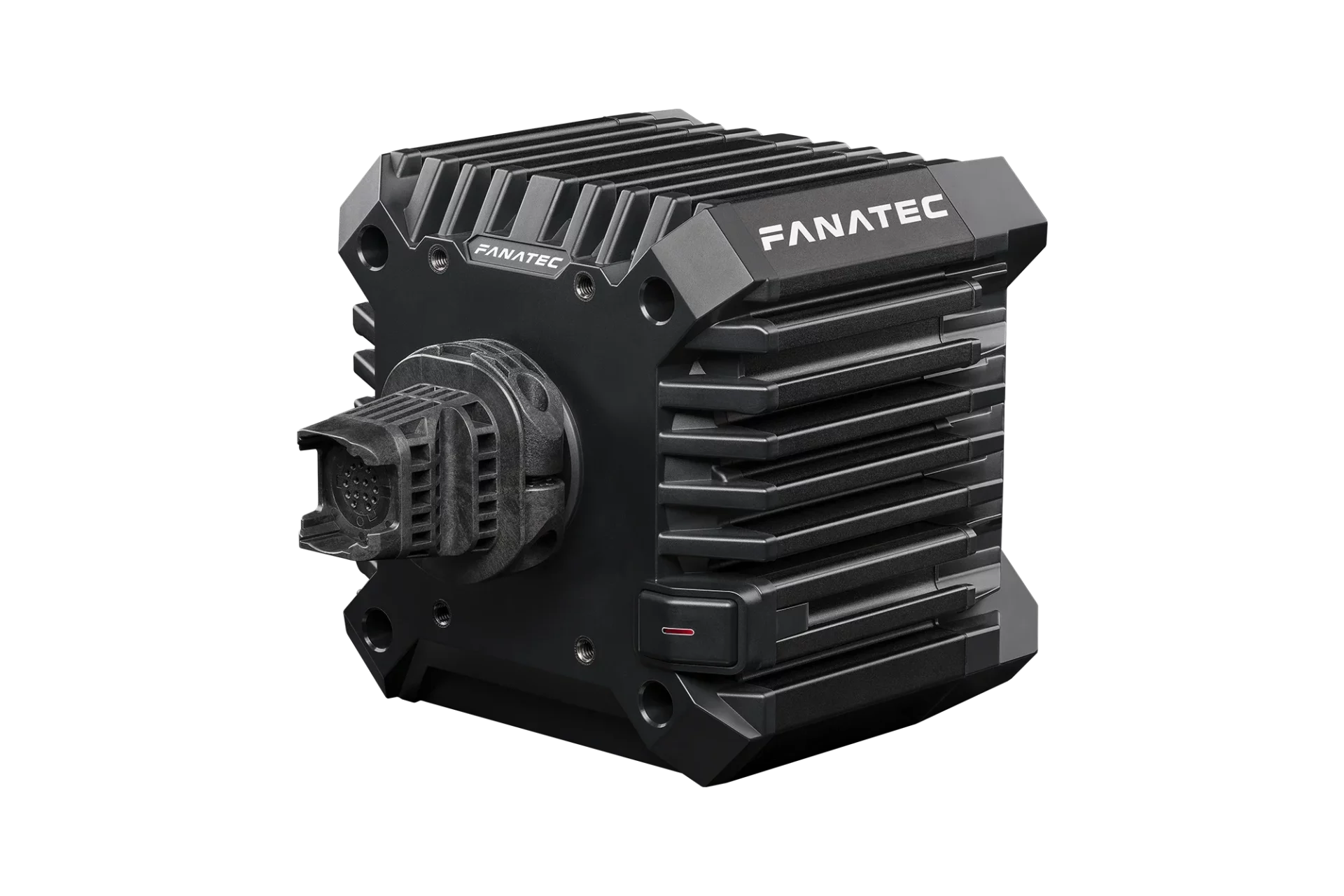
The 5 Nm version of the CSL DD QR2 targets the heart of the affordable direct-drive market, featuring an in-house motor with FluxBarrier technology and the new, play-free QR2 quick-release mount. We spent some time testing it to see what those 5 Nm really feel like behind the wheel. It’s a compact, well-built unit that integrates perfectly into the Fanatec ecosystem—provided you’re willing to accept its power limitations and its lack of PlayStation compatibility.
When you buy through our links, we may earn an affiliate commission.
What We Liked
- Clear and detailed force feedback thanks to FluxBarrier
- QR2 quick-release clamp with no play, for a secure and smooth installation
- Compact and rugged design, fanless operation
- Extensive Fanatec ecosystem and comprehensive steering wheel controls
- Up to 8 Nm with the 180 Boost Kit
- Three-year warranty
Reserves
- The 5 Nm lacks power when pulling heavy equipment or driving demanding cars
- Boost Kit 180 sold separately to achieve 8 Nm
- Not compatible with PlayStation
- Some steering wheels in the lineup could be made with better materials
- Closed, proprietary ecosystem
Technical Specifications
| Type | direct-drive base |
| Maximum torque | 5 Nm (8 Nm with the optional 180 Boost Kit) |
| Engine | In-house motor developed in Germany, patented FluxBarrier technology |
| Drive shaft | carbon fiber composite |
| Quick-release fastener | QR2 Lite (Base Side, Type-C) Pre-installed |
| Power supply | 90 W standard (180 W with the 180 Boost Kit) |
| Rotation | up to 2,520 degrees, electronically adjustable |
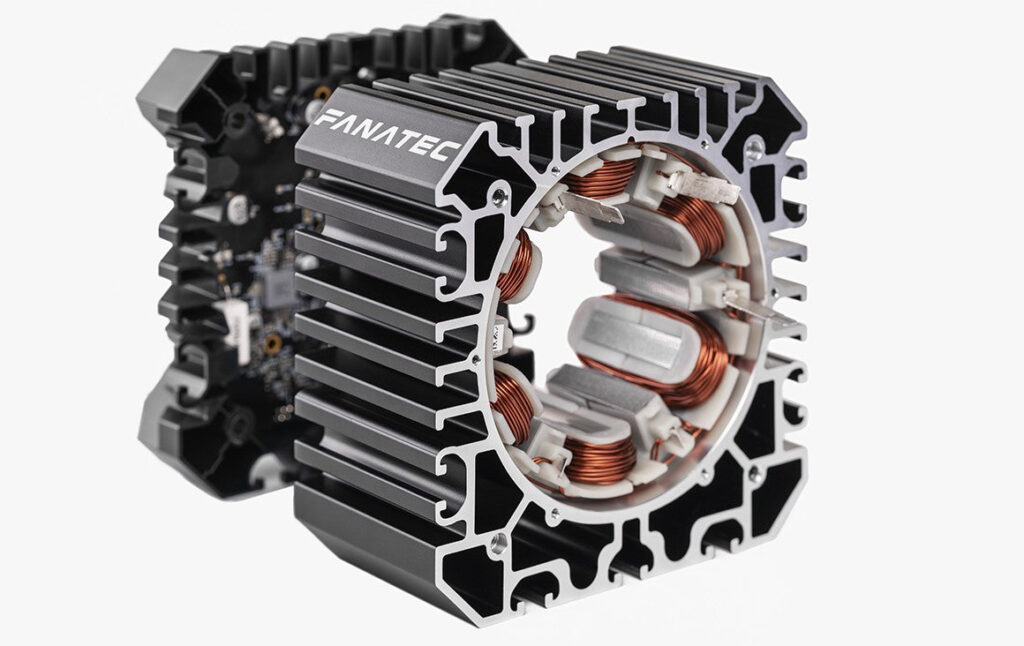
| Cooling | passive, fanless, aluminum housing |
| Compatibility | PC and Xbox One / Series X|S (with an Xbox-licensed steering wheel); not compatible with PlayStation |
| Warranty | 3 years |
A compact direct-drive system that strikes the right balance
The CSL DD is neither a cheap entry-level gadget nor a torque monster that breaks your wrists. In the 5 Nm version, it occupies a niche Fanatec knows well: giving those switching from a gear-driven or belt-driven wheel a true taste of direct drive, without breaking the bank. From the very first turns, you’ll experience what the brand is known for. The force feedback, powered by the patented FluxBarrier technology, is crisp, consistent, and easy to interpret. You can feel the texture of the asphalt, the slight loss of traction up front, the weight transfer—and, most importantly, you understand what the car is doing without having to guess.
What really stood out to us was the clarity of the signal. The transitions are sharp, there’s plenty of detail in the middle of turns, and overall, it’s easy to relate the feedback to real-world driving sensations. That said, the feedback feels slightly more refined than on the most recent models with even more direct torque response, but at this price point, the quality of the feedback is frankly above what we’d expect.
5 Nm at the wheel: what these numbers really mean
We need to be honest about what 5 Nm actually means. In a lightweight single-seater or a well-balanced GT, with a steering wheel of reasonable diameter, that’s more than enough to have fun and improve your skills. The power delivery is smooth and gradual, and this relative restraint makes the base model very accessible: you learn to read the feedback rather than fight against the steering wheel. For a beginner discovering direct drive, this is actually a real advantage—the experience is smoother and never intimidating.
The limitations become apparent as you move up in equipment levels. As soon as you install a heavy steering wheel, wide rims, or start driving more demanding cars, those 5 Nm start to feel like they’re not enough. When braking hard in a GT3, you really feel the impact of speed bumps and curbs, but sometimes you’d like a bit more raw power to really feel the front end load up as you enter a turn. That’s exactly where the Boost Kit 180 (sold separately) comes in, unlocking an additional 8 Nm. During our test sessions, this upgrade seemed to strike the perfect balance: the dynamic range widens, torque peaks feel more pronounced, and immersion takes a huge leap forward. With the base 5 Nm, we deliver on the promise of direct drive, while still leaving an obvious path for future upgrades.
QR2: The Real Change in This Version
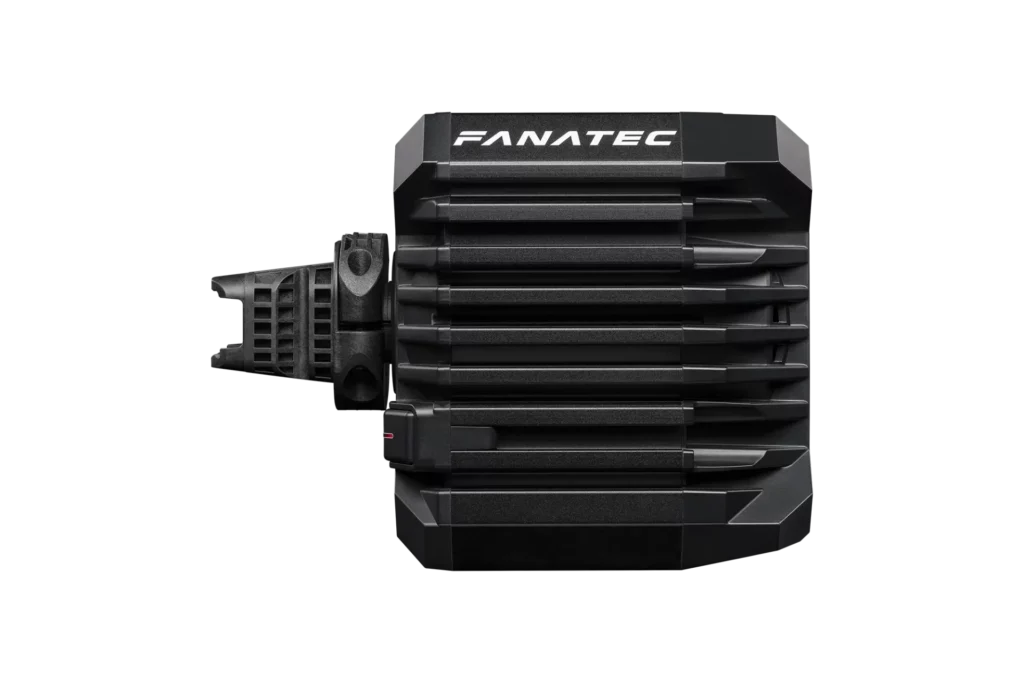
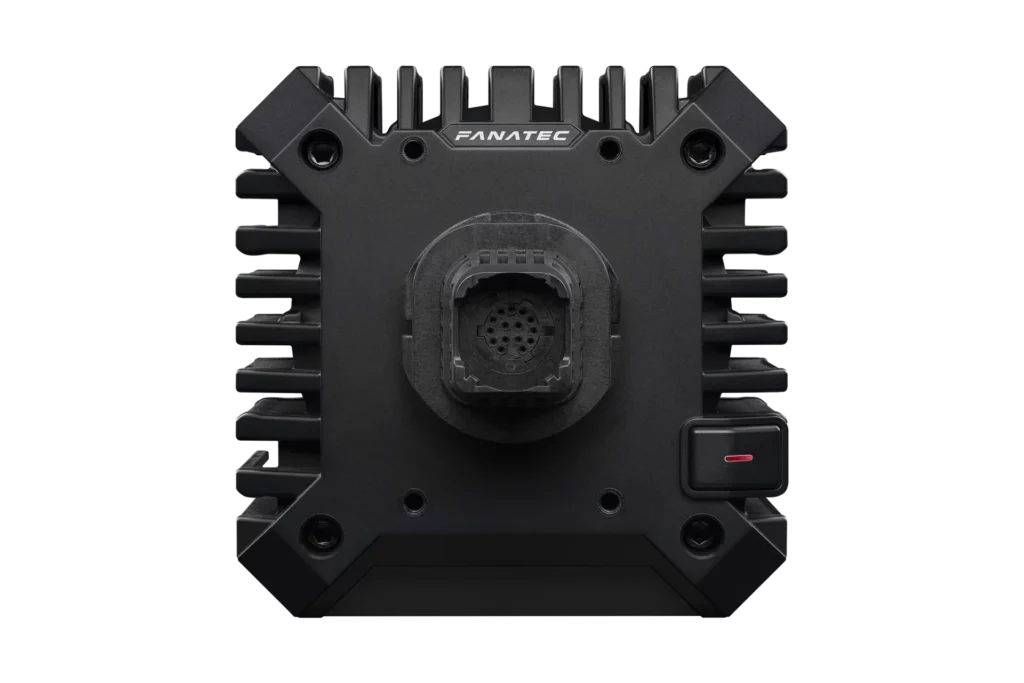
If there’s one feature that makes this iteration worth a closer look, it’s the QR2 Lite quick-release mechanism that comes standard. The original QR1 suffered from a slight amount of play that could result in a loose feeling at the connection between the steering wheel and the base. The QR2 resolves this issue completely. It snaps into place with a crisp, reassuring click, and once in position, everything is securely locked in place, without the slightest wobble. Its conical shape is directly inspired by motorsports and ensures a naturally firm grip.
In practical terms, this zero play is noticeable on the track: the force feedback feels more direct and more accurate, because no energy is lost in a loose connection. The QR2 Lite base is also compatible with all steering wheel variants (Lite, Regular, Pro) and imposes no torque restrictions, even with the Boost Kit 180. It’s a solid foundation for upgrading without having to replace everything.
Manufacturing and Lifespan
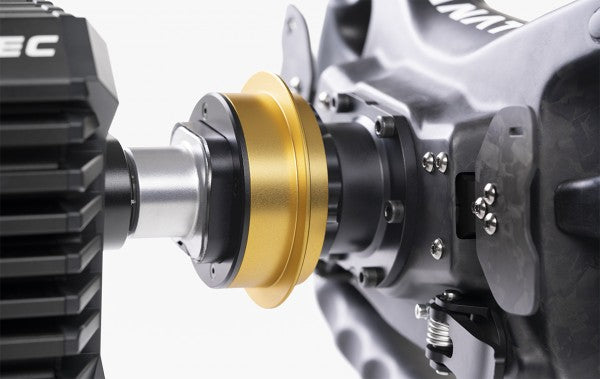
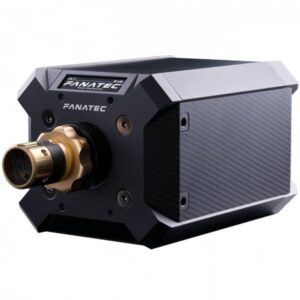
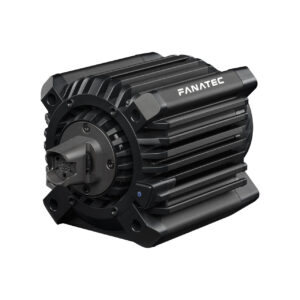
The unit is compact, dense, and solidly built. The machined aluminum housing acts as a passive heat sink, and the entire unit operates fanlessly, eliminating any background noise during use. One important technical detail is that the carbon-fiber composite motor shaft reduces rotating mass and improves the motor’s responsiveness and acceleration. Even after long sessions, the base remains stable, and we never felt like it was struggling to handle the thermal load over extended periods.
The only drawback regarding the build quality isn't the base itself, but rather some of the controllers in the ecosystem, whose materials may seem a notch below par and produce slight creaking noises. The base, on the other hand, exudes sturdiness and comes with a three-year warranty that inspires confidence.
PC and Xbox, yes; PlayStation, no
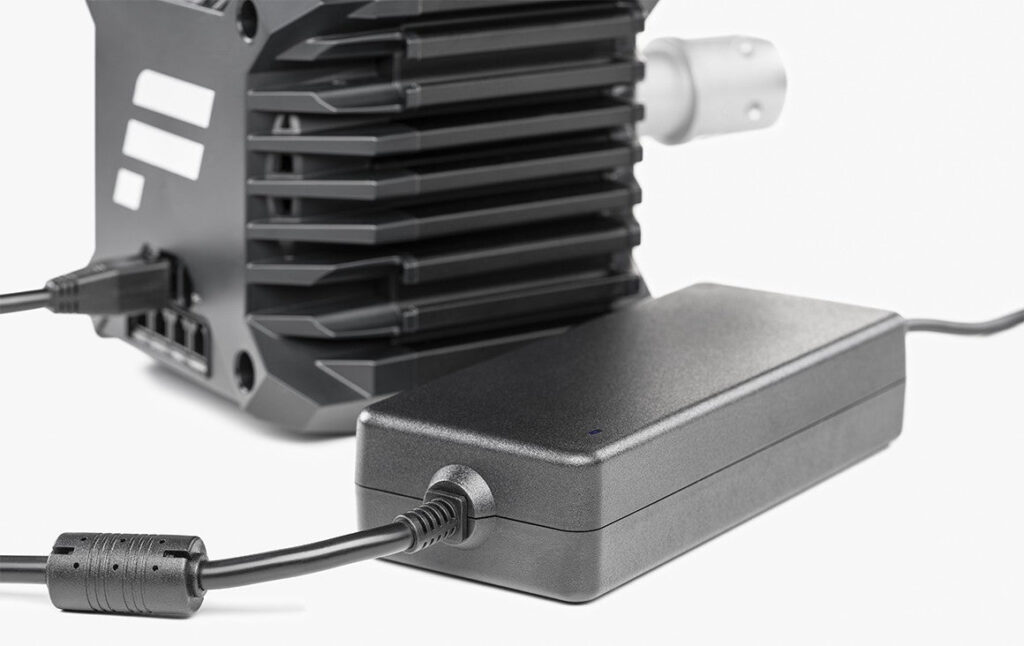
This is the key point to check before making any purchase, as it’s a deal-breaker for some. The CSL DD QR2 is PC-compatible with a Fanatec steering wheel, and becomes compatible with Xbox One and Xbox Series X|S when paired with an Xbox-licensed Fanatec steering wheel. However, it is not compatible with any PlayStation console, and no software update can change that. If you’re a PS5 user, you’ll need to look elsewhere in the lineup. For PC or Xbox gamers, however, the software integration is seamless, the steering wheel settings are comprehensive, and setup is straightforward.
Who is it for, and our results
The CSL DD QR2 with 5 Nm of torque remains the go-to entry-level option for direct-drive systems. It’s designed for drivers who want a real improvement in feel compared to a belt-driven steering wheel, solid construction, a rich ecosystem, and a QR2 mount that’s finally flawless. Its 5 Nm is plenty for learning and having fun, with the option to upgrade to 8 Nm later using the Boost Kit. It would be a mistake to dismiss this starting torque as long as you keep in mind that it will eventually feel just right on demanding games. Provided you’re playing on PC or Xbox, this is a choice we recommend without hesitation.



Reviews