MOZA R21 Wheel Base : Test & Reviews | What it's really worth in 2026
MOZA R21 Wheel Base: My quick review
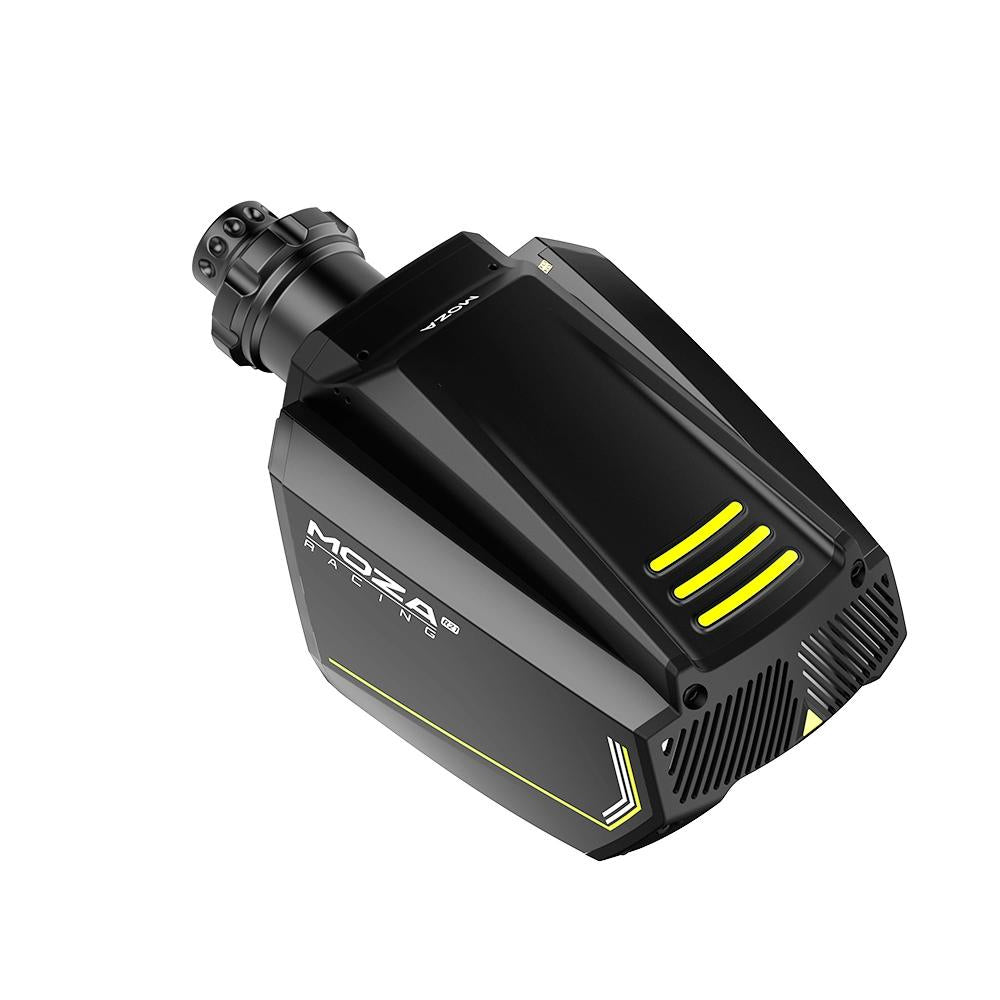
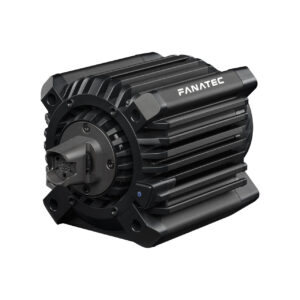
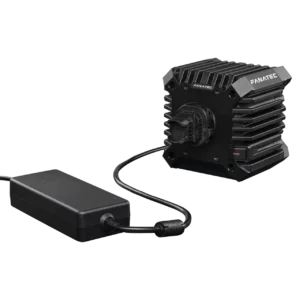
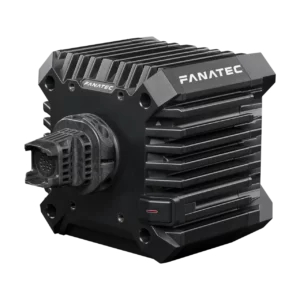
The MOZA R21 is the brand’s most powerful haptic base, featuring a 21 Nm direct-drive motor and a 21-bit encoder. We put it to the test to see what this power and revamped haptic feedback are really worth. Verdict: plenty of torque for the price and a significantly smoother feel than the older R models, but the trade-off in cockpit rigidity is one not to be underestimated.
When you buy through our links, we may earn an affiliate commission.
What We Liked
- A whopping 21 Nm of torque for the price
- Detailed force feedback, with virtually no clicking
- Very quiet operation (no fan)
- Rigid all-aluminum frame and meticulous construction
- Complete ecosystem with integrated ports (pedal set, gearbox, dashboard)
Reserves
- Loud vibrations that can sometimes be a bit overpowering and artificial
- Automatic damping when releasing the steering wheel could be improved
- Requires a truly rigid cockpit or mount
- Designed for PC; not compatible with PlayStation
- Too much power for many—needs to be reined in at first
Technical Specifications
| Type | direct-drive base |
| Peak torque | 21 Nm |
| Engine | skew-pole servomotor with a carbon-fiber rotor |
| Encoder | 21-bit magnetic |
| FFB Algorithm | NexGen 4.0 |
| Chassis | all-aluminum |
| Cooling | Smart, fanless thermal management |
| Quick-release fastener | wired (MOZA V2, FSR, KS controllers) |
| Connectivity | bottom bracket, gearbox, handbrake, dashboard |
| Security | Hands-off protection (automatic refocusing) |
| Platform | PC (Windows) |
21 Nm on the table, and right away the question of the cockpit
Let’s not beat around the bush: the R21 is, first and foremost, a number. 21 newton-meters of peak torque, delivered by a direct-drive motor with skewed poles and a carbon-fiber-wrapped rotor. It’s the most powerful base in the MOZA catalog, and from our very first spins, it’s clear that it demands a mount that’s up to the task. On a sturdy setup, it holds the steering wheel steady without flinching. But when mounted on a lighter setup, the power quickly exposes the structure’s weaknesses: we felt flex even on a base known for its rigidity. So before buying, you need to consider the mount just as much as the base itself.
A powerful comeback that has finally gained a touch of finesse
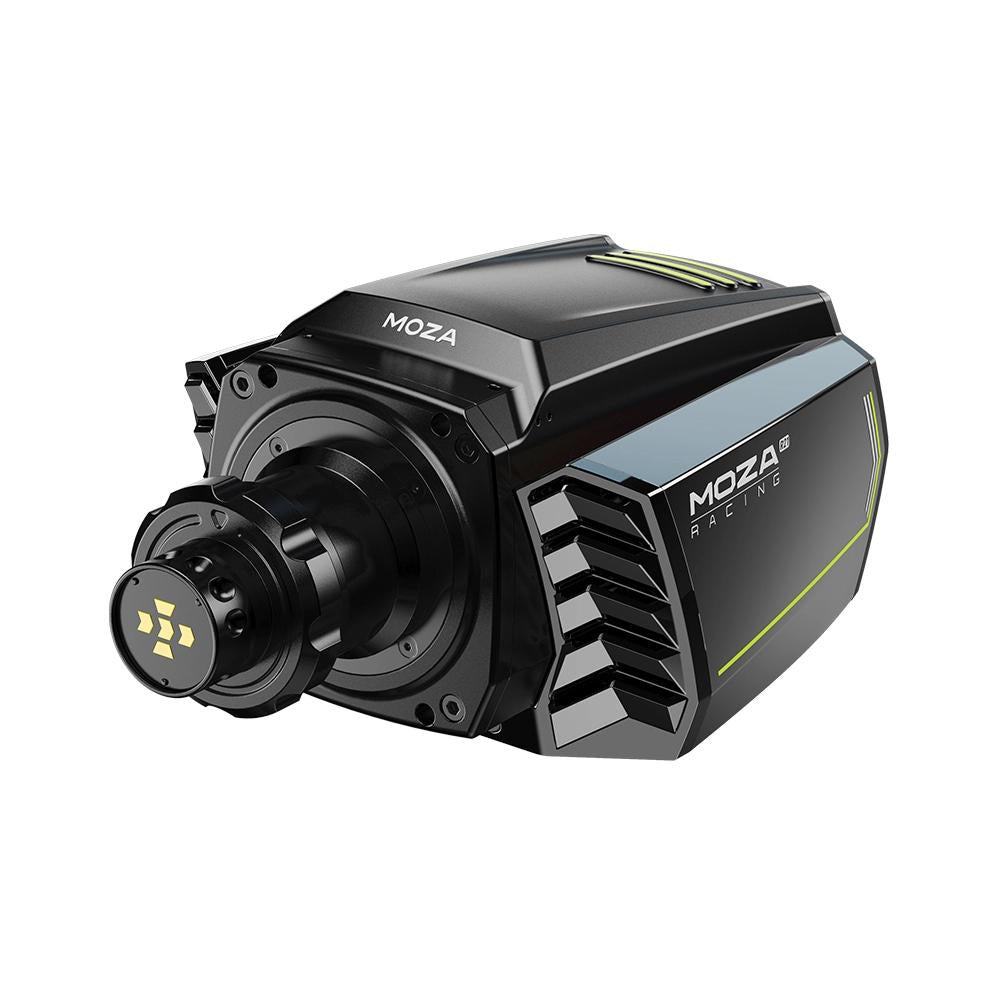
The real improvement in the R21 isn't the raw torque—it's the smoothness of the signal. The older R-series units had a slight "jerkiness"—that subtle, jagged sensation when turning gently. Here, with the NexGen 4.0 algorithm and the 21-bit magnetic encoder, we’ve managed to eliminate this jerkiness to the point where it’s no longer noticeable while driving. A faint trace remains at very low speeds—when the steering wheel is almost stationary—but it disappears as soon as the car starts moving. The result is detailed force feedback capable of conveying both subtle grip cues and significant weight transfers, without the heavy filtering that previous models relied on.
On the track: attention to detail, a welcome silence, a few too many speed bumps
What struck us right from the first session was the silence. No internal fan, so virtually no background noise—which makes all the difference on long evenings. In terms of feel, the 21 Nm provides a wealth of feedback: you can sense when the front tires lose traction, and you feel the rear end lighten up under braking. On the other hand, over large speed bumps, some impacts felt a bit too pronounced—almost exaggerated—with a slightly artificial quality that persists even after adjustments. The automatic damping when you let go of the steering wheel also disappointed us: it doesn’t dampen oscillations as well as we’d hoped. Nothing deal-breaking, but two areas where the software could still be improved.
Power to be harnessed, not endured
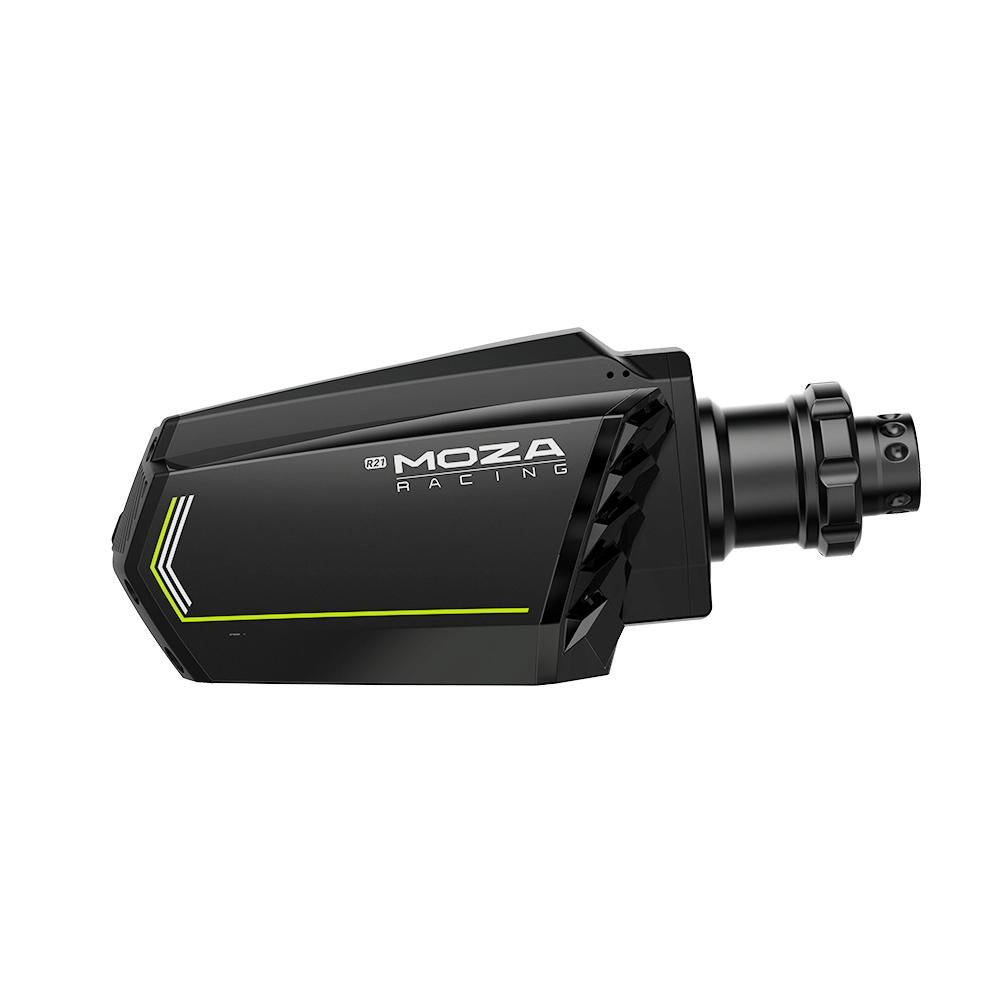
Let’s be clear: most drivers never actually drive at 21 Nm. This torque reserve mainly serves as a safety margin, and we advise beginners to stay below 60 percent of the total power, or else they’ll find themselves struggling to control a steering wheel that takes over. When kept in check, the R21 offers a smooth and progressive ride. When pushed to the limit, it becomes a real physical workout. It’s a platform that grows with the rider rather than a machine designed to impress right away—and that’s a good thing.
Ecosystem and Compatibility: The PC Comes First
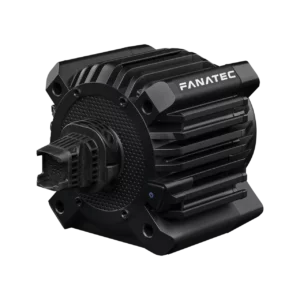
The R21 is the top-of-the-line model in the MOZA series and connects to MOZA steering wheels via the wired quick-connect system (V2, FSR, KS, and compatible models). It features built-in ports for the pedal set, gearbox, handbrake, and digital dashboard, which simplifies wiring. As for platforms, it’s important to note that this base is designed for PC. There’s no PlayStation support, and console use requires specific hardware on the steering wheel side. If you play exclusively on PS5, look elsewhere. On PC, however, the entire setup can be finely tuned via the Pit House software.
Our verdict
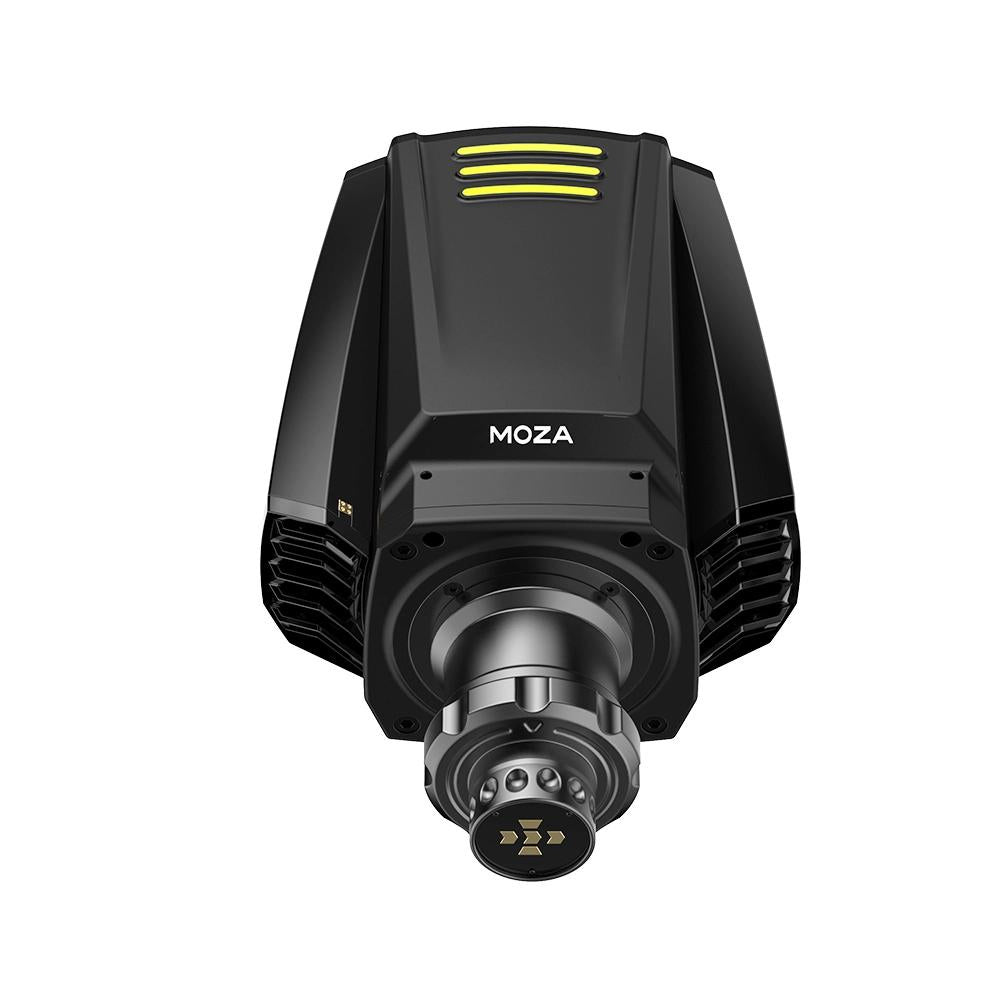
The R21 is a solid base model that offers an impressive amount of torque for its price, with force feedback that’s finally free of the jerkiness found in older R models and remarkably quiet operation. In return, it requires a truly rigid cockpit and a bit of patience to tame its power. For anyone looking for power reserves and precision on a PC, it’s a very good buy.


Reviews