
Fanatec CSL DD Ready2Race Forza Motorsport Bundle (5 Nm) for Xbox & PC : Test & Review | What it's really worth in 2026

Fanatec CSL DD Ready2Race Forza Motorsport Bundle (5 Nm) for Xbox & PC : My quick review
This pack gave me the feeling of moving from a "game" steering wheel to a serious driving tool, with a much clearer link to the car. It makes sense for regular Xbox or PC gamers who want a credible, upgradeable first Direct Drive. The whole package offers consistent value if you're going to stick with sim racing.
When you buy through our links, we may earn an affiliate commission.
Fanatec CSL DD Ready2Race Forza Motorsport (5 Nm): the pack that really takes things to the next level?
The Fanatec CSL DD Ready2Race Forza Motorsport Bundle (5 Nm) is clearly the "serious" entry point into the world of Direct Drive on Xbox and PC. We're no longer on a simple belt-driven steering wheel for beginners, but not yet on an extreme racing basis. It's a bundle designed for those who want to stop "playing" with a steering wheel and start "driving" with something credible.
On paper, it promises a clean, precise and compact return to direct drive, with an Xbox Forza Motorsport-style steering wheel and a simple but upgradeable CSL pedalboard. The idea is to offer a coherent, ready-to-use package that remains affordable compared to the more muscular setups on the market.
My angle here is simple: does this package, in its 5 Nm version, offer a real leap in feel compared to entry/mid-range belt-driven steering wheels? Does it hold up over time, in terms of comfort, immersion and versatility, without forcing you to change everything in six months' time? And above all, is the base + steering wheel + pedals combo balanced, or is one element clearly dragging the rest down?
Design & manufacture: a compact but serious bundle
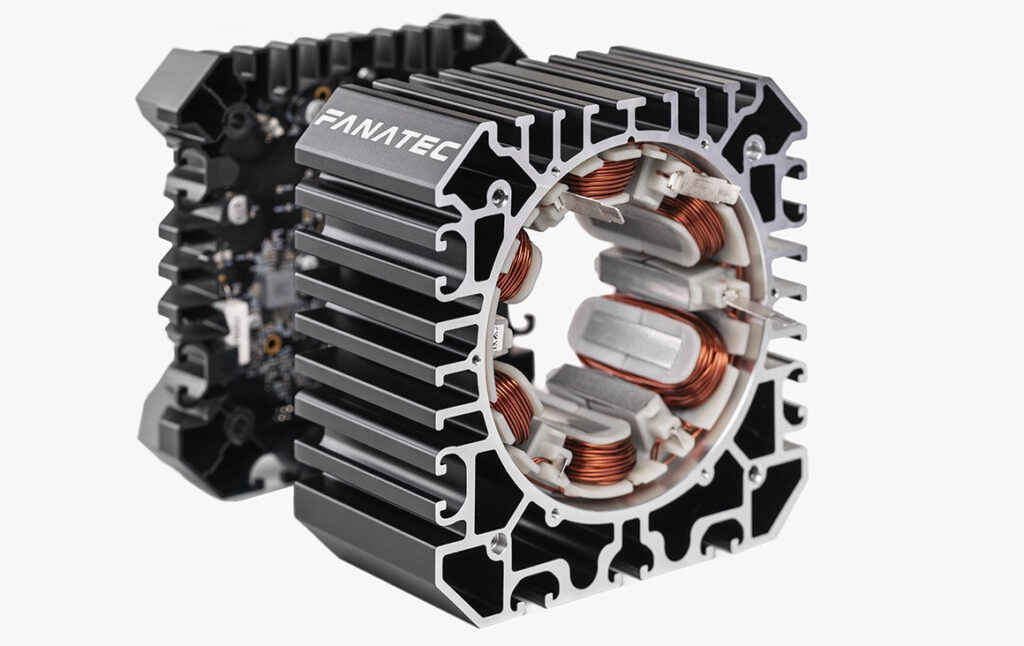
In hand, the CSL DD base immediately exudes something more serious than a conventional consumer steering wheel. The compact, dense metal body gives the impression of a solid block. You get the feeling that it's made to be fixed, clamped, and never moved again. The integrated cooling fins contribute to this feeling of a "clean" product, designed to run for a long time without overheating or making aggressive fan noise.
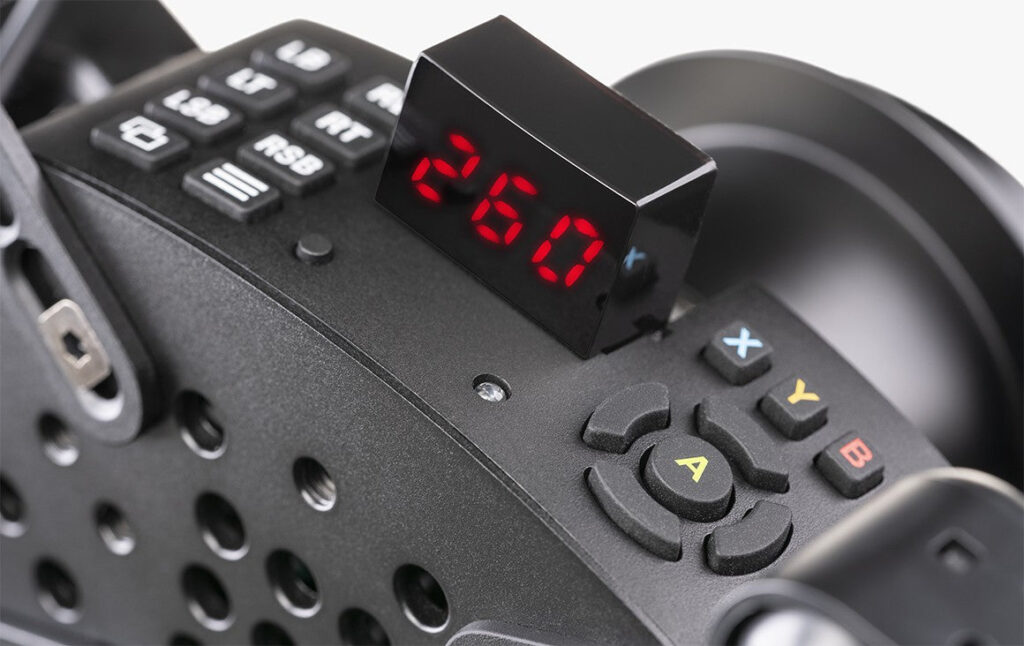
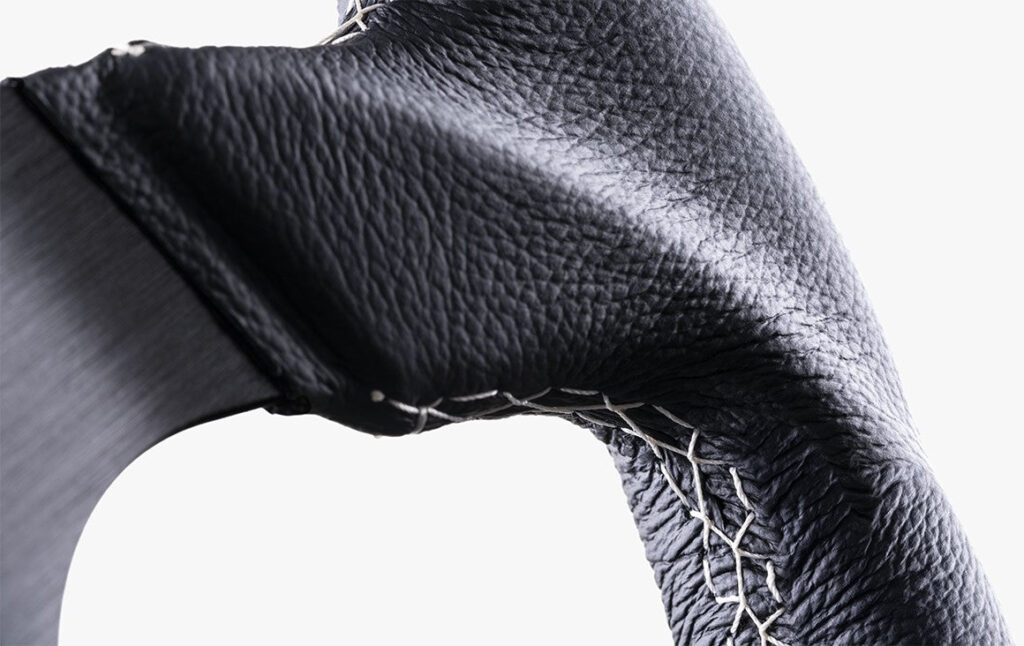
The included Xbox-oriented Forza Motorsport steering wheel mixes metal and plastic, with a grip zone that remains pleasant. It's not haute couture leather, but the grip is correct, the buttons fall nicely under the fingers, and the directional cross and Xbox keys are easy to reach. What's striking is that the whole thing doesn't feel like a toy. You can feel you're on top of highly flexible plastic steering wheels. The hoop's rigidity is decent, but not at the level of the brand's high-end rims.
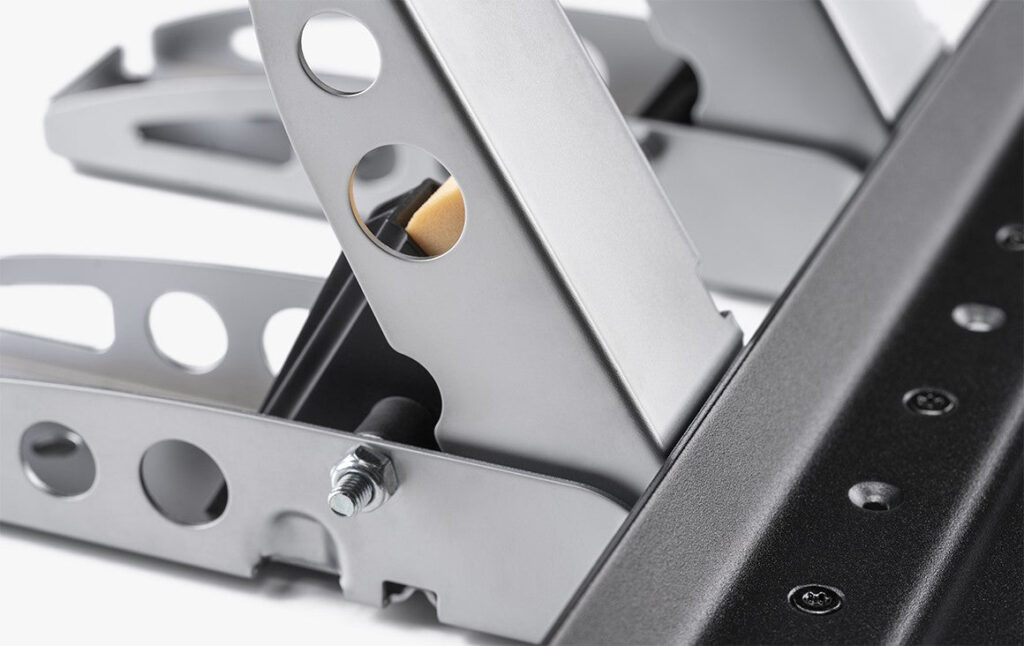
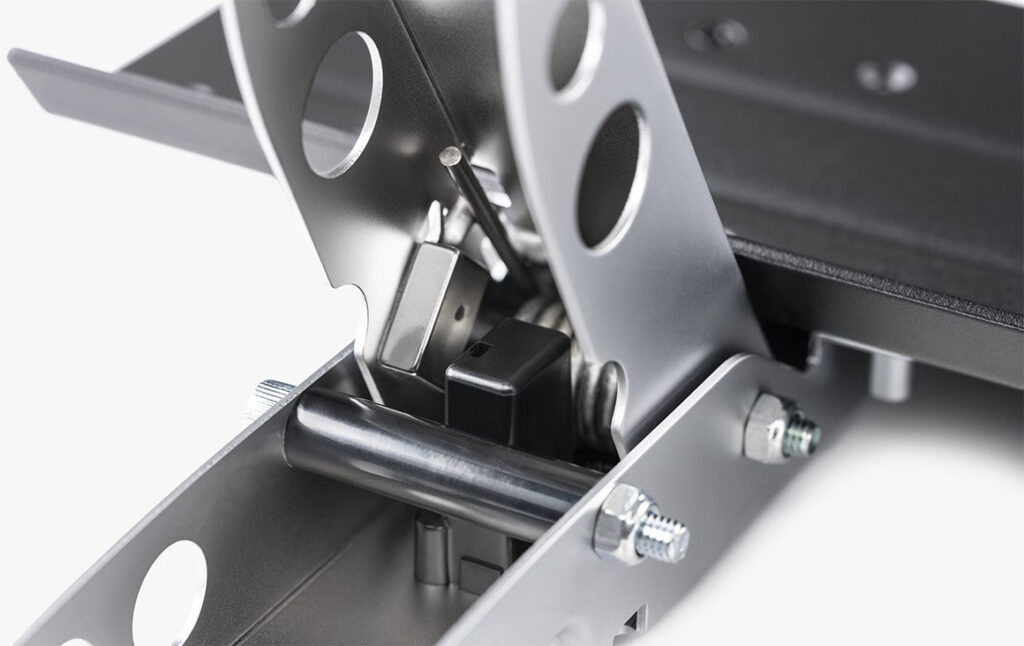
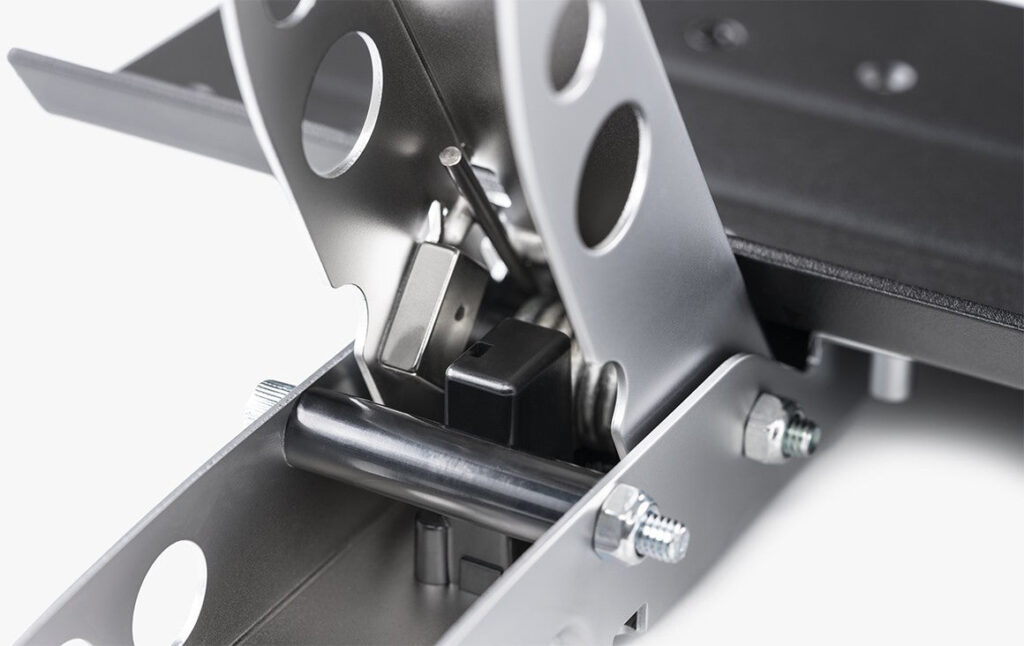
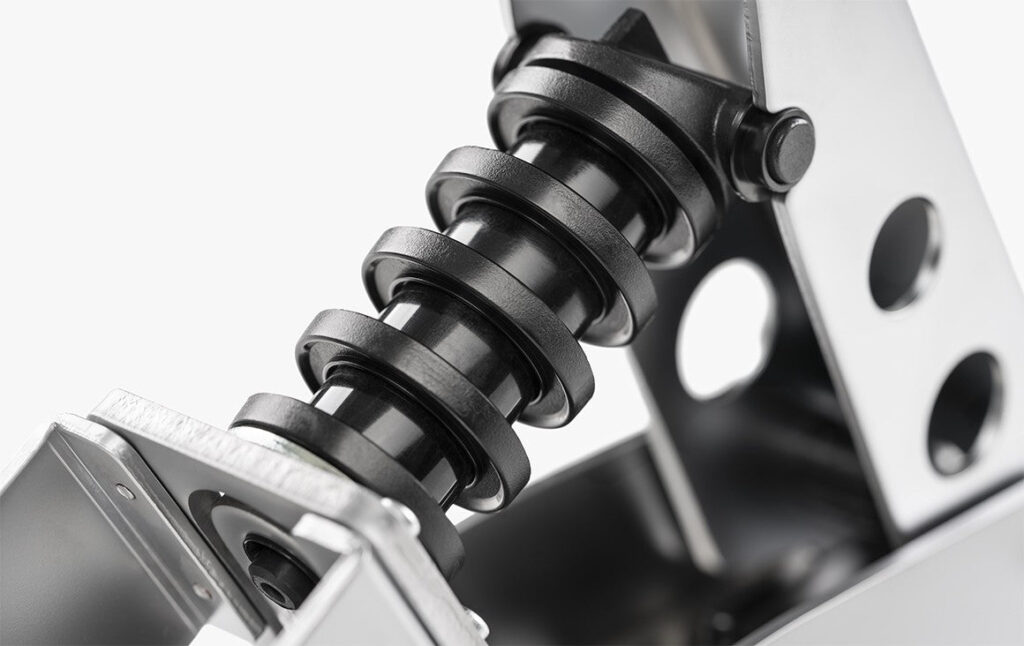
The paddles are metallic, with a crisp, clean click. They're not ultra-quiet, but there's a real mechanical feel to them. Overall assembly is clean, with no excessive play or worrying creaking. The CSL pedalboard, on the other hand, is a little more "visual entry-level": metal and plastic, simple design, but a fairly rigid structure once properly fitted or secured. The pedals offer decent resistance for beginners, especially the brake, which offers a degree of progressiveness even without a load cell.
Compared to more mainstream complete kits, we gain in density, perceived rigidity and overall seriousness. On the other hand, when compared with high-end steering wheels and rims from the same brand, it's clear that this bundle has been designed to remain restrained: less luxurious finishes, slightly simpler materials on the steering wheel and pedals, but consistent with the positioning.
Settings, customization & compatibility: a reassuring ecosystem
When it comes to settings, Fanatec remains true to form: you control most of the parameters directly from the steering wheel and base, then fine-tune them via the PC software. Built-in presets for various games are a great help at first. You can launch a few key titles on Xbox or PC and get something already balanced, without having to spend an hour in the menus.
The really useful settings are there: overall strength, filter, effects intensity, friction feel, interpolation... You can adapt the Direct Drive's behavior to your style, softer or rougher. There's clearly a learning curve, especially if you want to get the most out of FFB. But the base is quickly exploitable: even with a few simple adjustments, a convincing result can be achieved. Those who like to optimize will be able to dig deeper into each parameter, while those who want to play straight away won't be lost.
Xbox and PC compatibility is a real highlight of this bundle. The presence of Xbox buttons on the steering wheel facilitates console use, with generally direct recognition. On PC, the Fanatec ecosystem is widely supported by the main sim racing and arcade racing games. Just plug in, select the profile or assign the controls, and off you go.
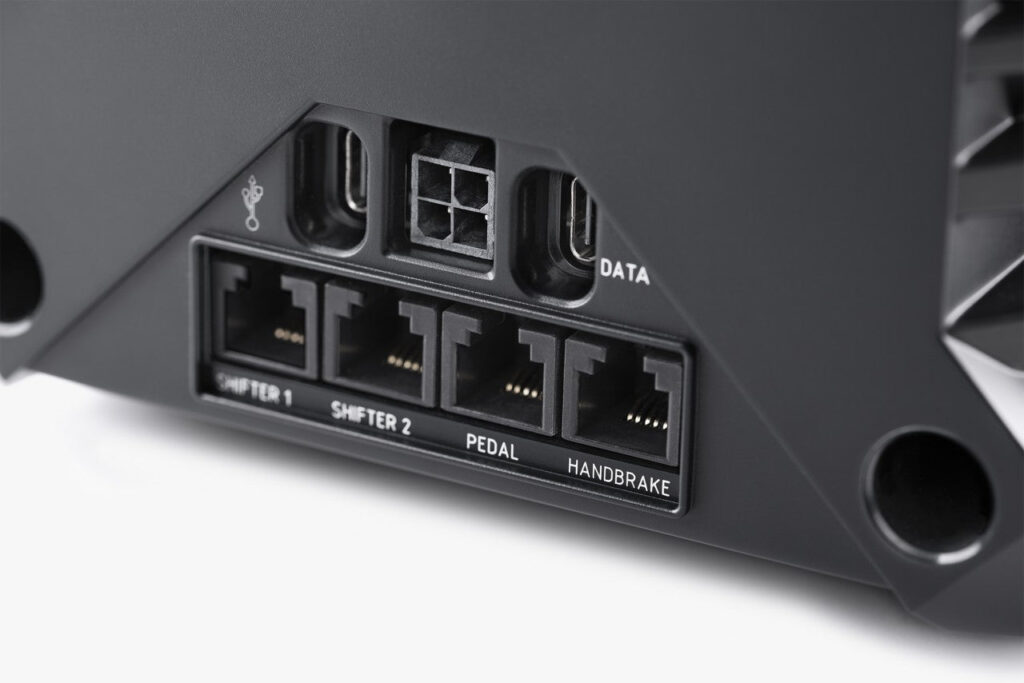
The surrounding ecosystem makes all the difference: you can later change the steering wheel for a more racing model, add an H or sequential shifter, an analog handbrake, upgrade the crankset with a load cell module, or even increase the chainstay to 8 Nm with the upgrade kit if you don't already have it. It's clearly an entry point to something more substantial, without being a dead end. The bundle acts as a durable base, which can be upgraded in stages, which is highly appreciated when you don't want to buy everything at once.
Game sensations: where Direct Drive really changes the game
On the virtual track, the clearest difference from a belt-driven steering wheel is the precision of the force feedback. At 5 Nm, we're not talking about violence, but finesse. Little information on grip, micro-losses of grip, transitions between understeer and oversteer are all passed on to the steering wheel. You can quickly feel when the tires start to stall. You immediately understand what the car is doing.
In fast corners, the steering remains stable and easy to read. The torque isn't monstrous, so you don't feel you're physically struggling with the base. Rather, it's a steering wheel that lets you control it, while clearly returning your efforts. For console use in the living room or on a small cockpit, it's a good compromise: you retain the precision typical of Direct Drive without needing an ultra-rigid chassis to withstand extreme forces.
Grip reading is a real strength. On a dry track, the steering wheel gives subtle signals: slight lightening at the start of blocking, fine vibration on the edges, changing resistance when the angle or load is altered. In the wet or on degraded surfaces, the variations are well enough understood to anticipate loss of grip. You don't get the sensory violence of a more powerful base, but you do gain in confidence. You dare to push the car a little further, precisely because you can read what's going on better.
Vibrations and edges are well reproduced, especially in games that handle these effects correctly. You can feel the texture, the frequency, without it being an artificial tremor. This avoids the "controller vibrates" effect, and keeps it consistent with the direction. This is where the base really changes the experience: steering wheel reactions seem to be linked to the car, not just to scripts.
Over long sessions, the moderate torque of 5 Nm becomes a comfort advantage. You can string together stints without going off track due to forearm fatigue. Consistency is good: no excessive heating, no feeling of losing power during a session. The Direct Drive provides this sensation of mechanical fluidity, with no belts or gears to filter or distort the signal.
In rapid corrections, the base reacts quickly. The steering wheel returns, lightens and hardens in a predictable manner. Catching a slip, an oversteer or a small braking error becomes more intuitive. Compared with a less powerful, belt-driven steering wheel, you can clearly feel the gain in responsiveness and signal cleanliness. Compared to a more powerful Direct Drive (above 8-10 Nm), you obviously lose in raw intensity and physical "jolts", but you retain the essential: a fine reading of events and very pleasant control.
Overall immersion is solid for a bundle of this level. There's enough feedback, enough information to feel connected to the car without it being intimidating. You end up with a steering wheel that makes you want to progress, to work on your trajectories, braking points and go-arounds. For many players, it's a real change of world from their first steering wheel.
Who is it for? Real strengths and weaknesses
The CSL DD Ready2Race Forza Motorsport 5 Nm is primarily aimed at two profiles: the motivated beginner who wants to get straight into a credible, upgradeable setup, and the intermediate gamer who's fed up with entry-level steering wheels and wants to switch to Direct Drive without blowing his budget. On Xbox, it's particularly interesting for those who want a ready-to-use, recognized and stable combo. On PC, it remains highly relevant, especially if you intend to take advantage of the Fanatec ecosystem.
One of the things I appreciate most is the quality of the force feedback for this power. The feedback is clean, precise and easy to read. You can really feel the difference with conventional belt-driven flywheels, without going overboard. Secondly, the base's compactness and finish make it easy to integrate on a desk or light cockpit, without too many constraints. Finally, the Fanatec ecosystem and the bundle's upgradability (steering wheels, pedals, power upgrade, shifters) make it a coherent investment over time. You're not buying a dead-end, you're buying a platform.
There are limits, however. The first is the 5 Nm of power, which, while sufficient for most players, may leave those looking for a very physical feel or who already have a powerful base wanting more. The compromise is clearly one of accessibility. The second is the basic CSL crankset, which is perfectly adequate for beginners, but will show its limitations if you start looking for more advanced braking cues; upgrading to a load cell becomes almost unavoidable in the medium term for serious sim racing. Thirdly, the steering wheel's finish is correct, but not premium: certain materials and tactile sensations are reminiscent of a mid-range product, not a high-end rim.
In terms of perceived value, the bundle remains a significant investment, but it offers a real qualitative leap. You're paying for Direct Drive, for Xbox/PC compatibility, for a complete ecosystem and for a base that can support several setup upgrades. For someone who knows he's going to stay in sim racing, the investment/lifetime ratio is pretty good.
Verdict: a real pivot to "real" sim racing
This Fanatec CSL DD Ready2Race Forza Motorsport 5 Nm bundle changes one thing above all in a setup: the quality of the link between you and the car. You go from a steering wheel that "simulates" the road a little to a base that really transmits what the virtual chassis is doing. The precision of Direct Drive, even at 5 Nm, is more than enough to transform the way you drive, the way you correct, the way you feel the grip.
On the market, this pack is clearly positioned as a mid-range pivot: above the classic mass-market steering wheels, but below the high-end Direct Drive bases with heavily-equipped pedalboards. It's a solution that makes sense for many serious players, without aiming for the ultra-simracer who wants everything to the max right from the start.
I'd recommend it to regular gamers who want to take their gaming experience to the next level, and who like the idea of gradually integrating their hardware into the Fanatec ecosystem. For the occasional gamer, or someone looking for an ultra-economical solution, this won't be the best choice. Likewise, if you're aiming for very high power and a competition pedalboard from the outset, you'd be better off looking directly higher up.
If you're looking for your first real Xbox/PC Direct Drive that's serious, scalable and already a lot of fun every day, this product can clearly make the difference in your setup.
Other products we have tested
-
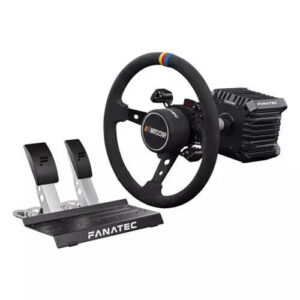
Fanatec CSL DD Ready2Race NASCAR Bundle for Xbox & PC
-
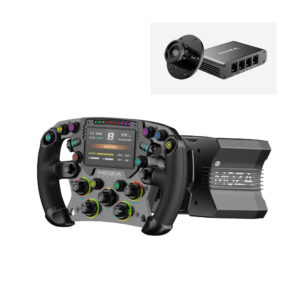
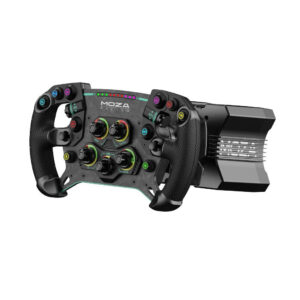
MOZA R12 & FSR Formula Wheel & Hub Kit Bundle
-
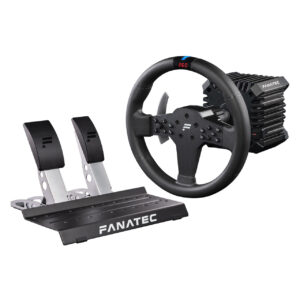
Fanatec CSL DD Ready2Race Bundle for PC (5 Nm)
-
MOZA R12 & KS Steering Wheel Bundle
-
Fanatec Gran Turismo DD Extreme
-
Fanatec CSL DD Ready2Race F1 Esports Bundle for PC
-
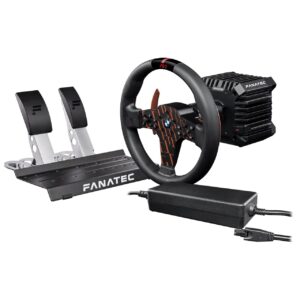
Fanatec CSL DD Ready2Race BMW Bundle for PC (8 Nm)
-
MOZA R9 V2 & GS V2P GT Wheel Bundle




Reviews