
Simucube Tahko GT-21 Wireless Wheel : Test & Review | What it's really worth in 2026
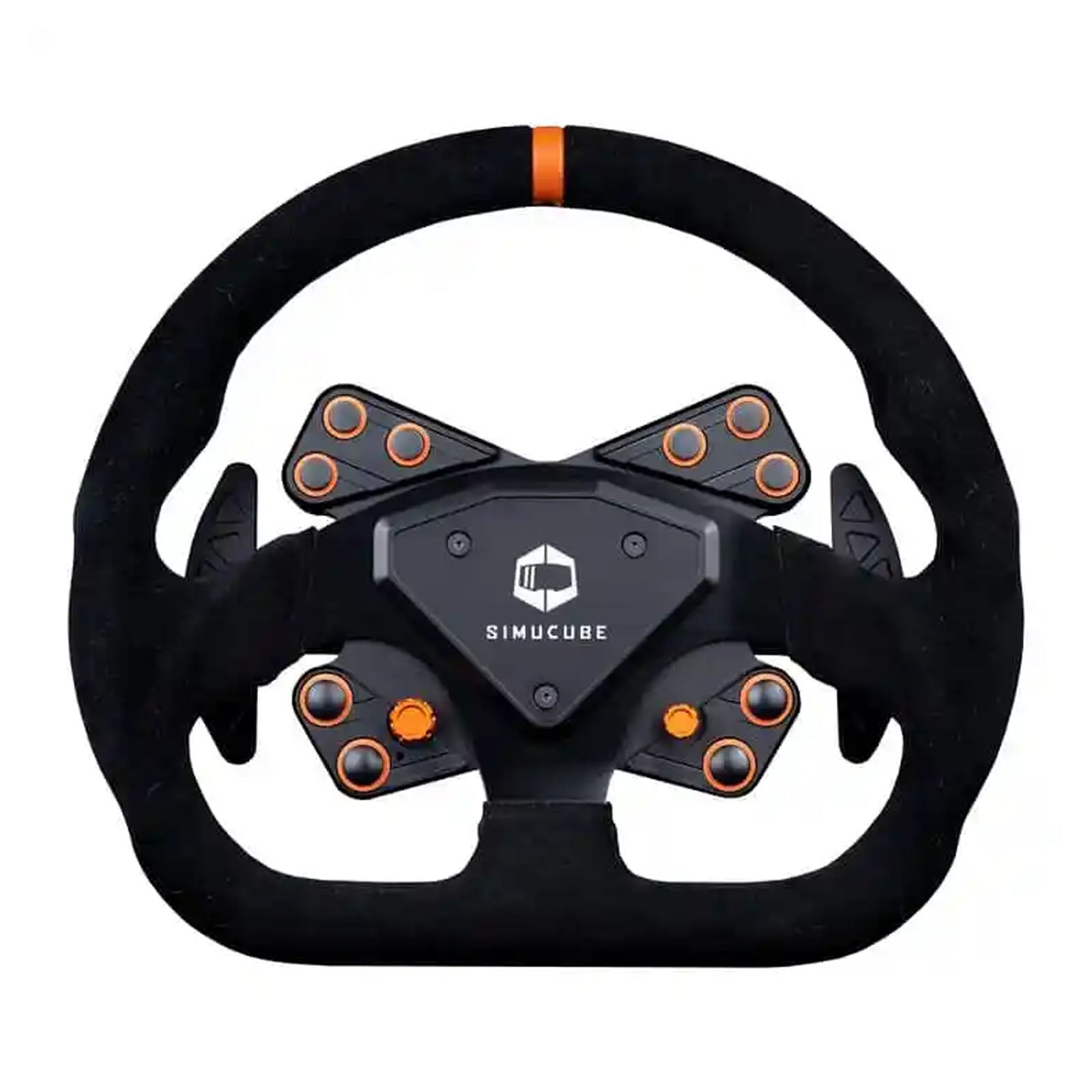
Simucube Tahko GT-21 Wireless Wheel: My quick review
The Tahko GT-21 is Simucube’s very first in-house steering wheel, designed to integrate seamlessly with the brand’s Direct Drive bases. With a 330-mm flat rim upholstered in Alcantara, an aluminum frame, and built-in wireless connectivity, this is a high-end product—cable-free and without compromise. On the track, its large diameter shines in GT, NASCAR, and rally racing. A worthwhile investment for anyone already driving a Simucube 2.
When you buy through our links, we may earn an affiliate commission.
What We Liked
- High-end craftsmanship, aluminum and Alcantara with absolutely no flex
- Native Simucube wireless connection—no cables to manage
- Large diameter, performs very well in GT, NASCAR, and rally racing
- Large, flexible, and quiet magnetic paddles
- Battery life rated at up to five years
- Seamless integration with the Simucube 2 ecosystem
Reserves
- For Simucube 2 Direct Drive bases only (no console)
- The in-car settings menu is inconvenient to use without the app
- Buttons spaced slightly apart for little hands
- Alcantara requires gloves to last a long time
- A little less natural in a single-seater
- High-entry-cost investment product
Technical Specifications
| Diameter | 330 mm |
| Weight | 2.1 kg |
| Rim | CNC-machined steel with suede-like finish (Alcantara) |
| Paddles | 2 adjustable aluminum magnetic paddles |
| Buttons | 10 industrial buttons |
| Orders | 7-function switch and tactile rotary encoder |
| Wireless | Simucube Wireless Wheel system |
| Power supply | CR2477N battery included (up to 5 years, according to the manufacturer) |
| Quick release | Simucube Quick Release (Simucube 2) |
| Compatibility | Simucube 2 Direct Drive Basics on PC |
The first Simucube steering wheel
Until now, owning a Simucube base meant making a somewhat absurd choice: having to buy a steering wheel from a competitor. The Tahko GT-21 puts an end to this anomaly. It’s the Finnish brand’s very first in-house steering wheel, designed to pair seamlessly with its Direct Drive bases without any compromises. We put it through its paces with the curiosity of a fan and the high standards of a gamer who logs countless hours on his rig, and the verdict is clear: this is a serious piece of gear.
An Alcantara headliner that exudes luxury
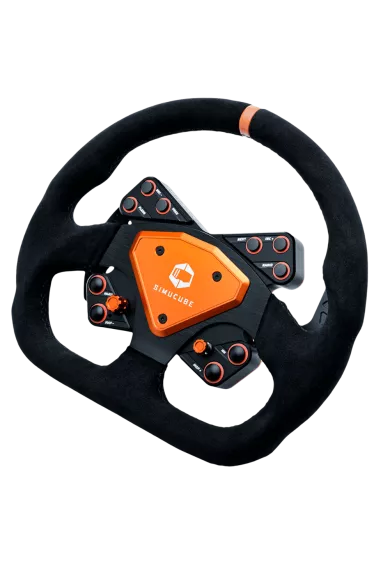
Aluminum frame, 330 mm flat CNC-machined steel rim covered in Alcantara (suede-like fabric), weighing in at 2.1 kg—the GT-21 inspires confidence the moment you pick it up. No flex, no play—the build quality is impeccable and clearly designed to withstand hundreds of hours of use. The Alcantara offers a firm grip and a significantly more premium feel than the leather or rubber found elsewhere. The only downside is that this material requires gloves if you want to keep it in good condition over time.
Wireless Technology That Makes You Forget About Cables
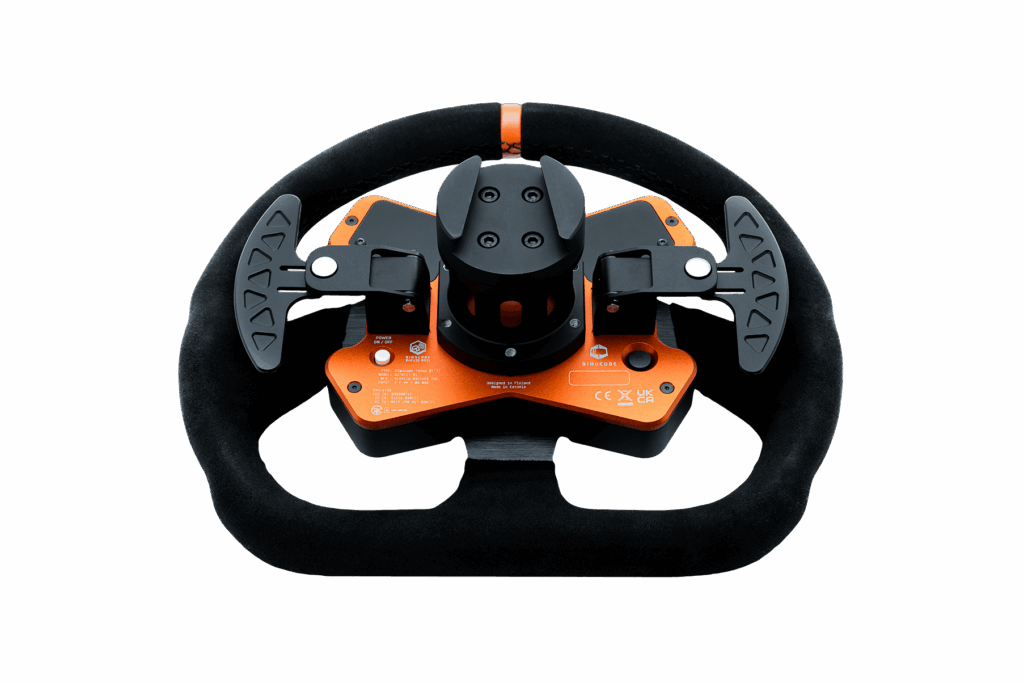
The real selling point is integration. The GT-21 communicates with the base unit via Simucube’s proprietary wireless system—no coiled cables, no connectors to plug in; you simply clip the steering wheel onto the Simucube 2 quick-release mount and you’re ready to go. The initial pairing is done by pressing a paddle, and subsequent connections happen automatically. An orange LED confirms that the connection is active. The CR2477N battery is rated for five years of continuous use—a figure we can only repeat, but one that promises many years of worry-free use.
On the track, where the GT-21 truly comes into its own
The generous diameter is a game-changer. Thanks to the leverage effect, the feedback feels smoother and more fluid than with a small Formula rim; the same basic power requires slightly less effort in the arms. In GT racing, it’s a treat: the curves flow smoothly, driving over curbs is handled with ease, and countersteering becomes faster and more precise. In NASCAR, it’s the perfect match: on those long left-hand turns where you keep the steering wheel turned for seconds at a time, forearm fatigue is reduced, and throttle control remains remarkably precise. In rally driving, it’s just as enjoyable—chains of turns, drifts, and corrections all come together with disarming naturalness. Only the single-seater felt a bit out of place to us; the reduced intensity of the feedback was surprising after using a dedicated Formula steering wheel.
Controls and ergonomics: the one downside
Ten industrial buttons, two adjustable aluminum magnetic paddles, a 7-function switch, and a rotary encoder with tactile feedback—it’s fully equipped. The paddles, which are larger and feature rubberized strips, offer a smooth trigger action and muffle the clicking sound—a real plus. On the other hand, the layout spreads the buttons out a bit, which requires a longer reach for those with smaller hands. And the configuration menu controlled from the steering wheel—clever in theory—proves impractical in use; remembering the parameter assignments without opening the dedicated app is far from straightforward.
For whom, and on what basis?
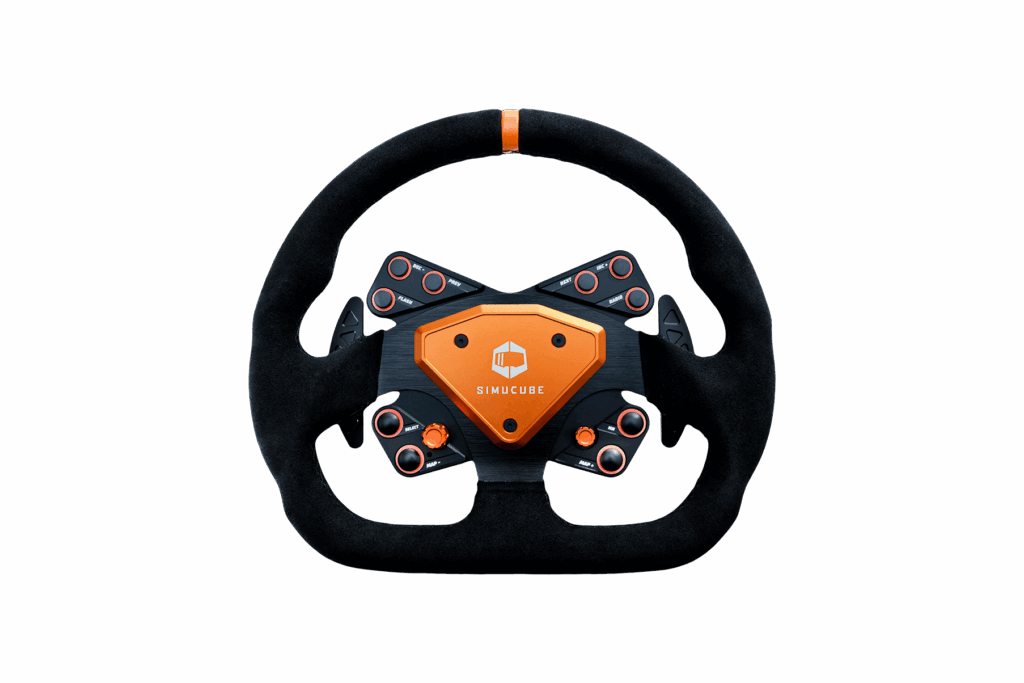
The Tahko GT-21 is designed for intermediate to advanced sim racers who already own (or are about to purchase) a Simucube 2 Direct Drive base, with which it communicates wirelessly via its dedicated quick-release mount. This is an investment-grade product—an ideal companion for those who know they’ll be racking up laps. Ambitious beginners who are building a high-end setup from the start will also find it worthwhile, provided they’re willing to pay the price.
Frequently Asked Questions
Which sim racing wheel should you choose if you're just starting out?
Direct drive or belt drive: What's the difference?
Does this hardware work on PS5 and Xbox?
Do you need a cockpit to get off to a good start?
How much should I budget for a good setup?
Other Reviews & Testimonials
-
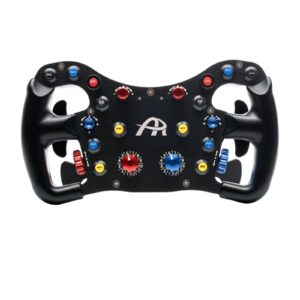
Ascher F64-V3
-
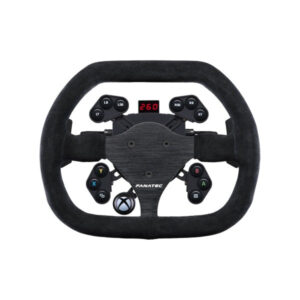
Fanatec ClubSport Steering Wheel Flat 1 V2 for Xbox
-
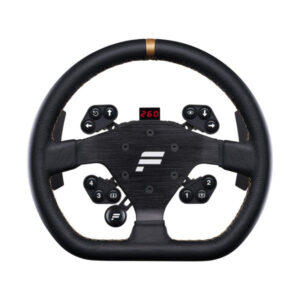
Fanatec ClubSport Steering Wheel R300 V2
-
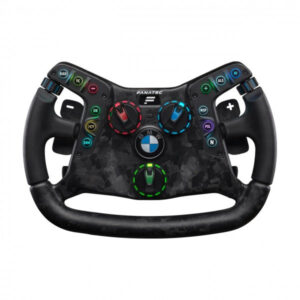
Fanatec ClubSport BMW M4 GT3
-
Fanatec ClubSport Steering Wheel BMW GT2 V2
-
Fanatec ClubSport Steering Wheel Porsche 911 GT3 R V2 for Xbox (Suede)
-
Fanatec ClubSport Steering Wheel Porsche 911 GT3 R V2 for Xbox (Leather)
-
Fanatec ClubSport Steering Wheel Formula V2.5 X



Reviews