
Fanatec ClubSport DD : Test & Review | What it's really worth in 2026
Fanatec ClubSport DD: My opinion in brief
This ClubSport DD gave me the sensation of really "reading" the car better, with a clear gain in finesse and confidence without becoming tiring to use. It makes sense for regular sim racers who are already a little equipped and want to take a sustainable step forward without going ultra high-end. The sensations/investment ratio seems coherent to me.
When you buy through our links, we may earn an affiliate commission.
The Fanatec ClubSport DD arrives in an ultra-competitive segment: that of "mid-high" direct-drive bases aimed at serious sim racers, without tipping over into the extreme high-end. It promises generous torque, fine force feedback and clean integration into the Fanatec ecosystem, all with a more "plug & play" approach than the pure competition monsters.
What attracts is this hybrid positioning: stronger and more precise than an entry-level CSL DD or GT DD Pro, but more accessible - in terms of power, budget and cockpit requirements - than a very high-end DD. The ClubSport DD is aimed at the heart of the community who ride often, in several disciplines, and who want serious feedback without spending their lives tuning.
My angle is simple: how much of a leap in feel does this base offer over the classic mid-range, and does it hold up in terms of comfort, consistency and versatility on both PC and console. In short: does it really change the way you ride, or is it just a "nice but not essential" upgrade?
Design & manufacturing
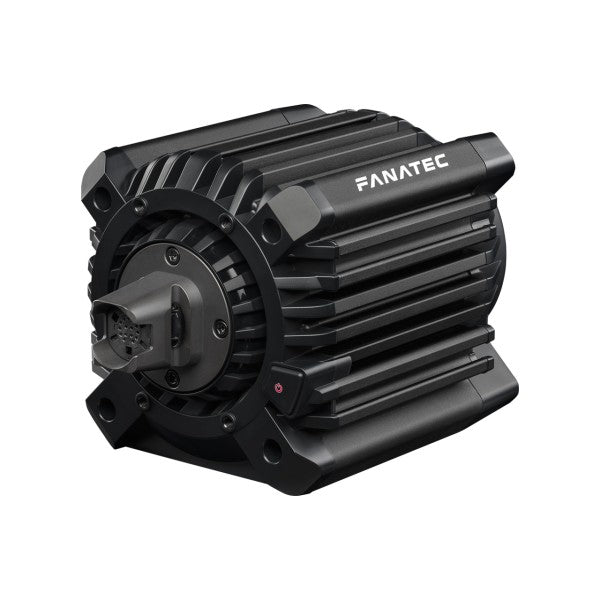
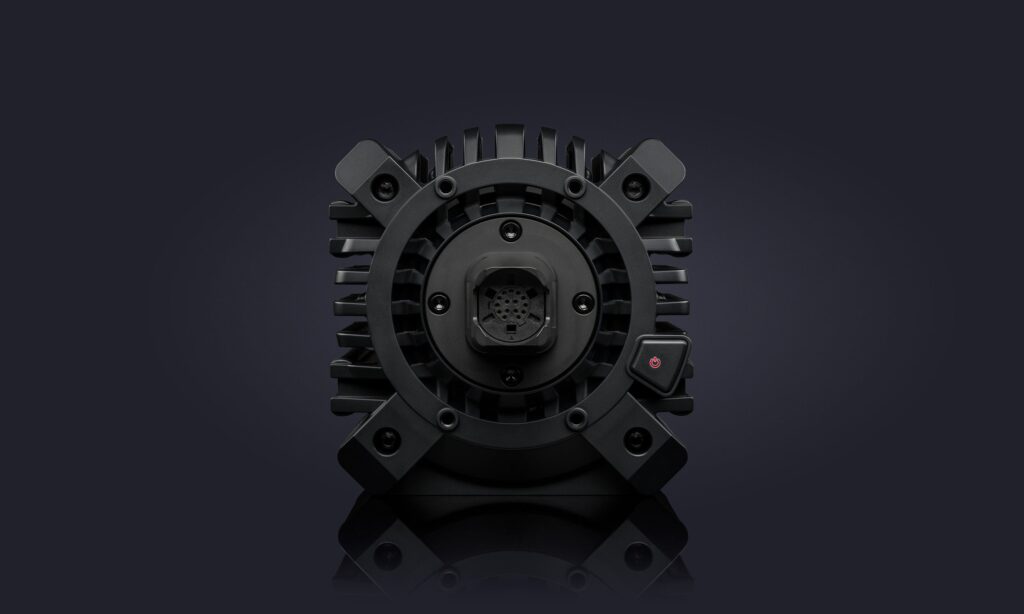
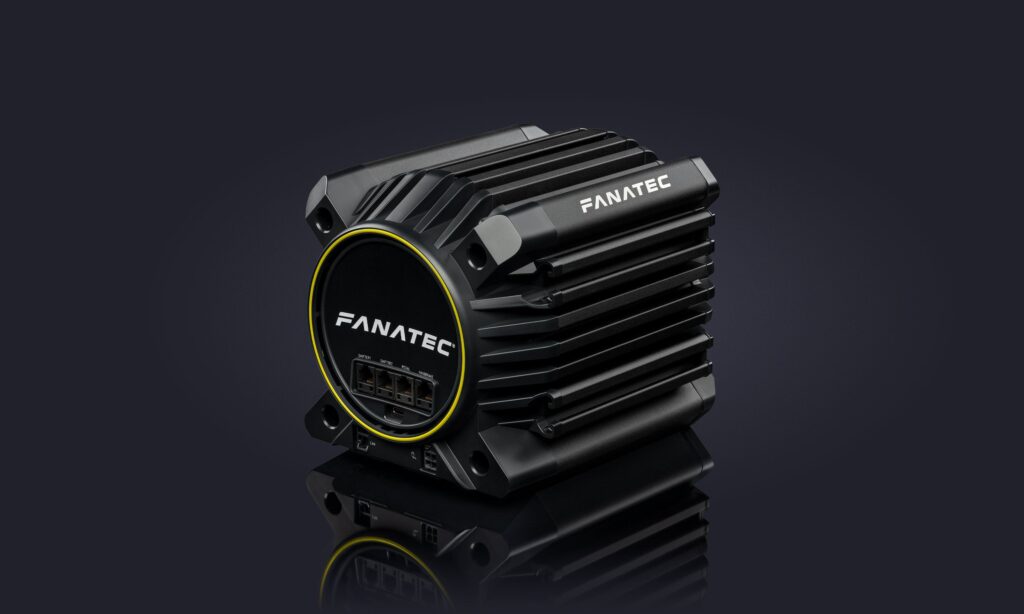
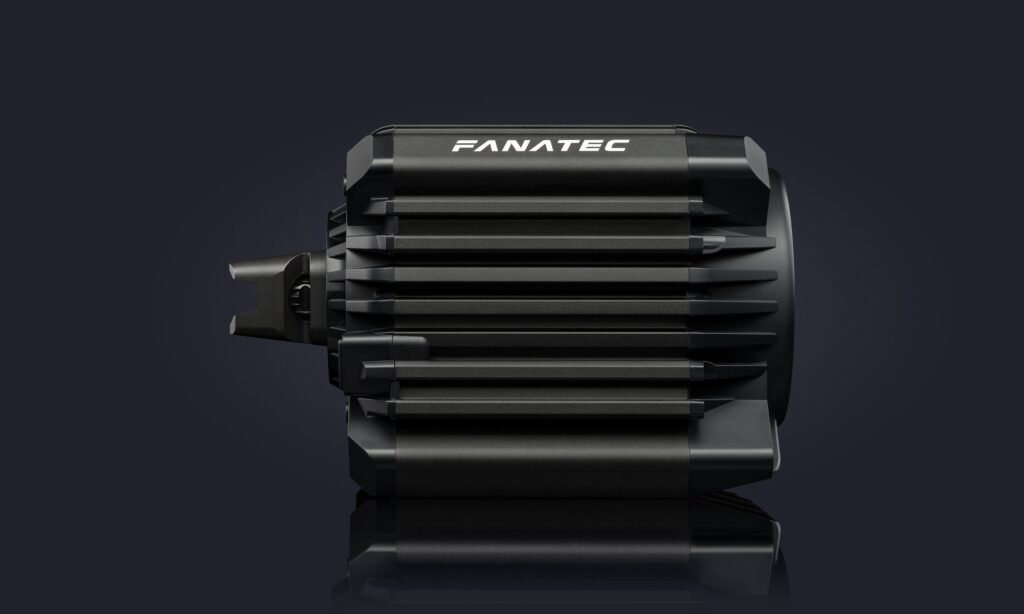
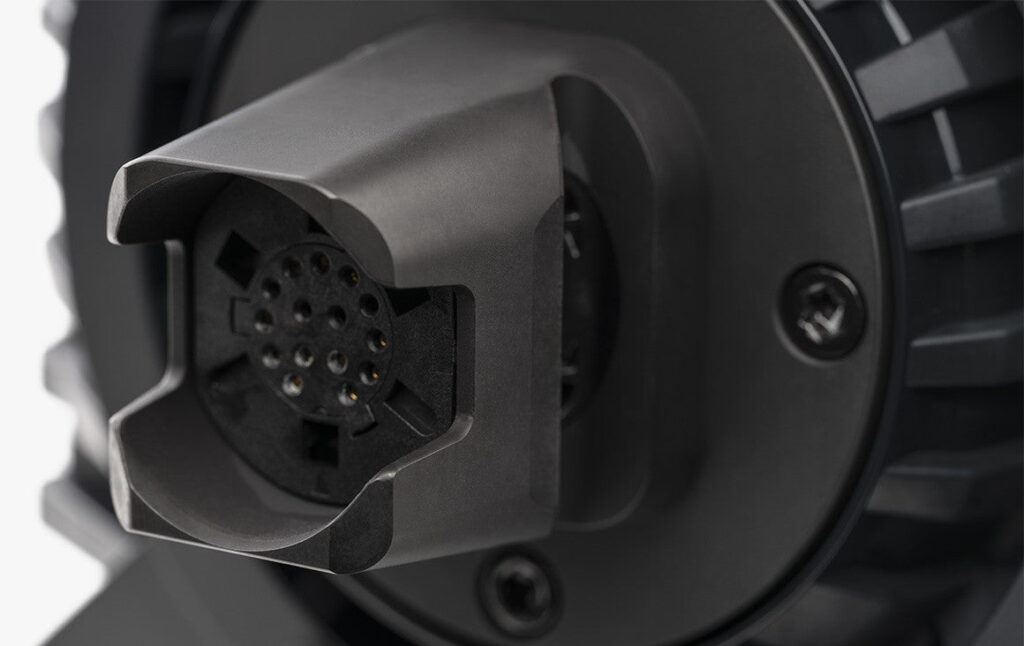
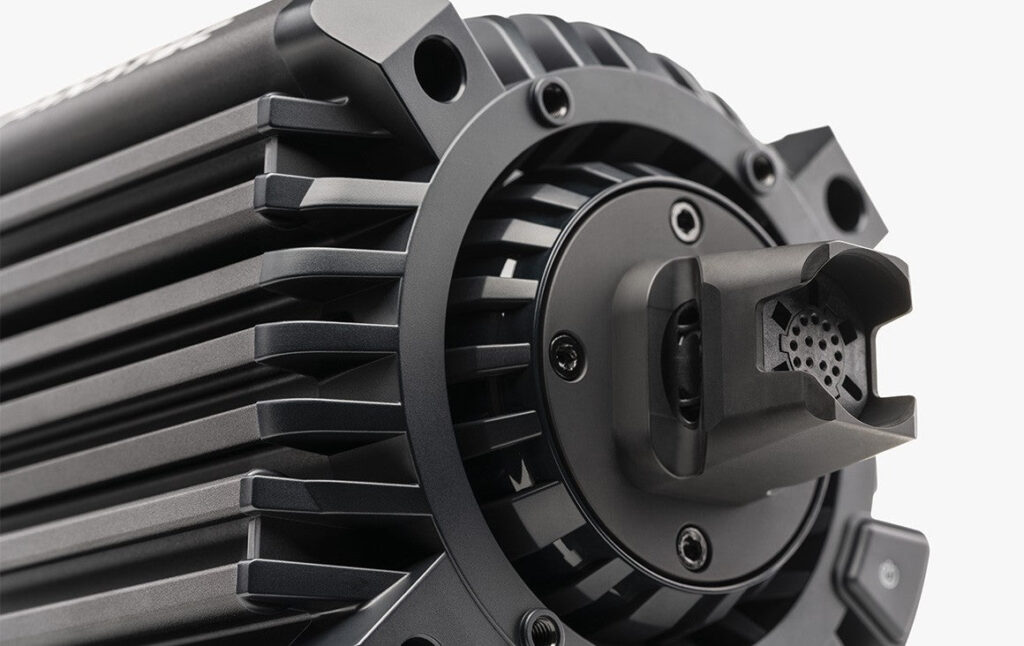
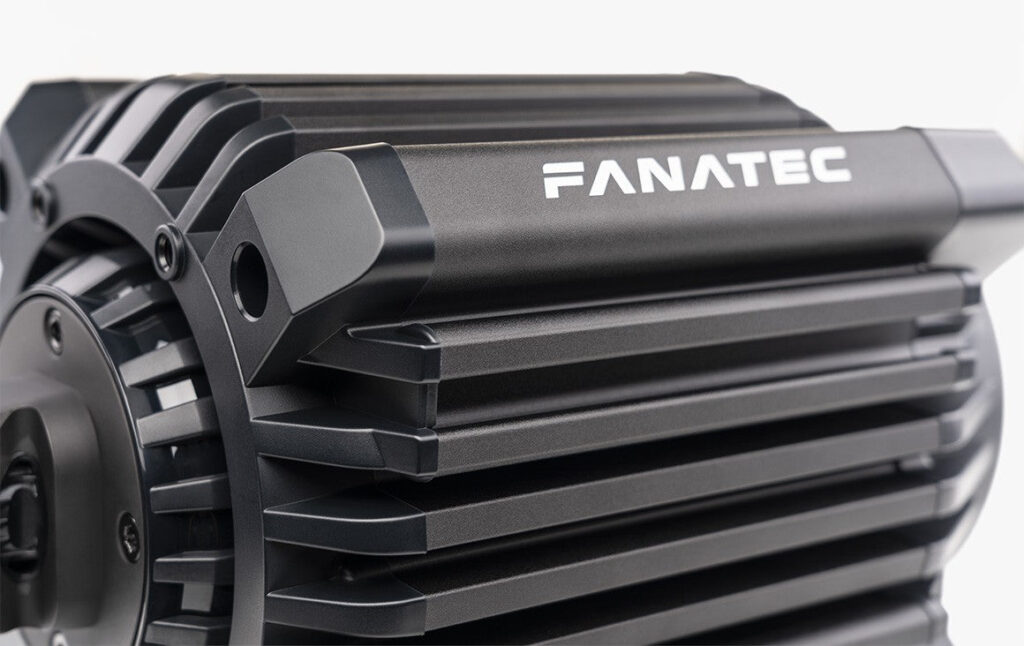
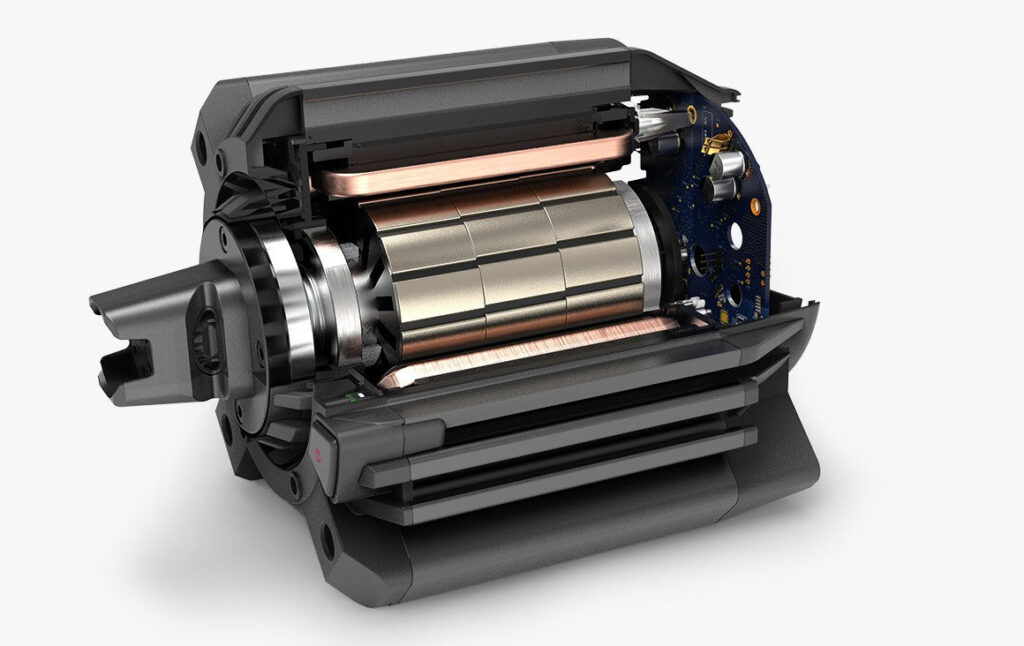
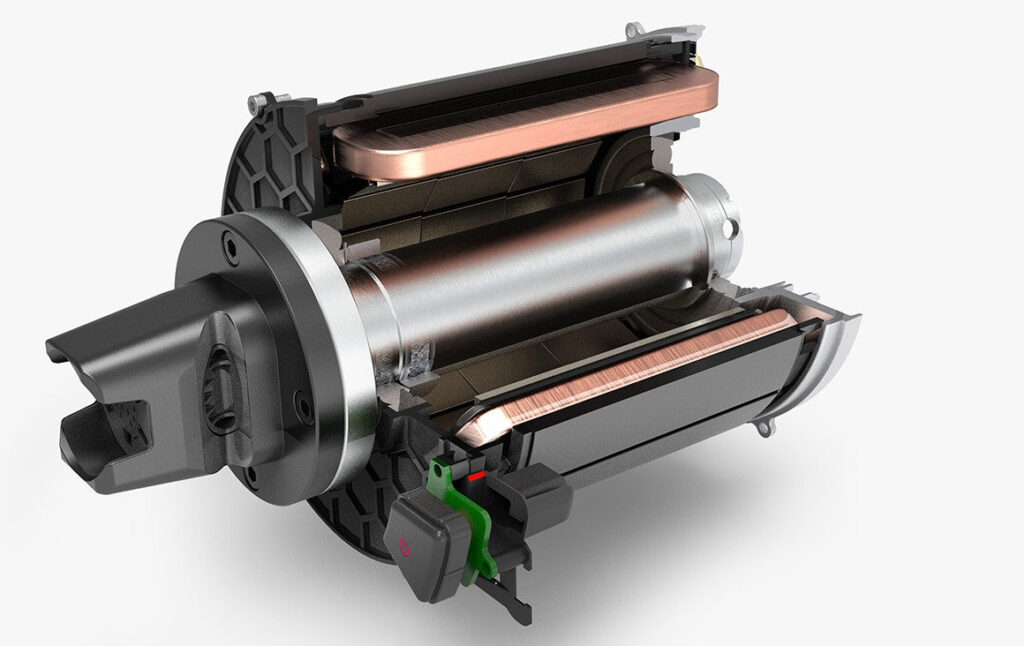
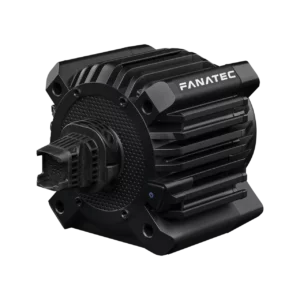
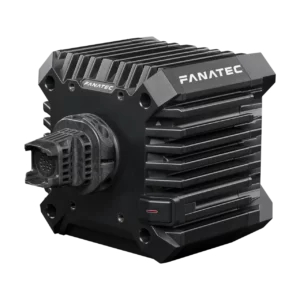
Visually, the ClubSport DD is in the Fanatec tradition: compact block, clean industrial look, fairly sober lines. In hand, the first impression is very clear: it's dense, solid and serious. The chassis exudes rigidity, with a monolithic feel that immediately inspires confidence when mounted on a sturdy cockpit.
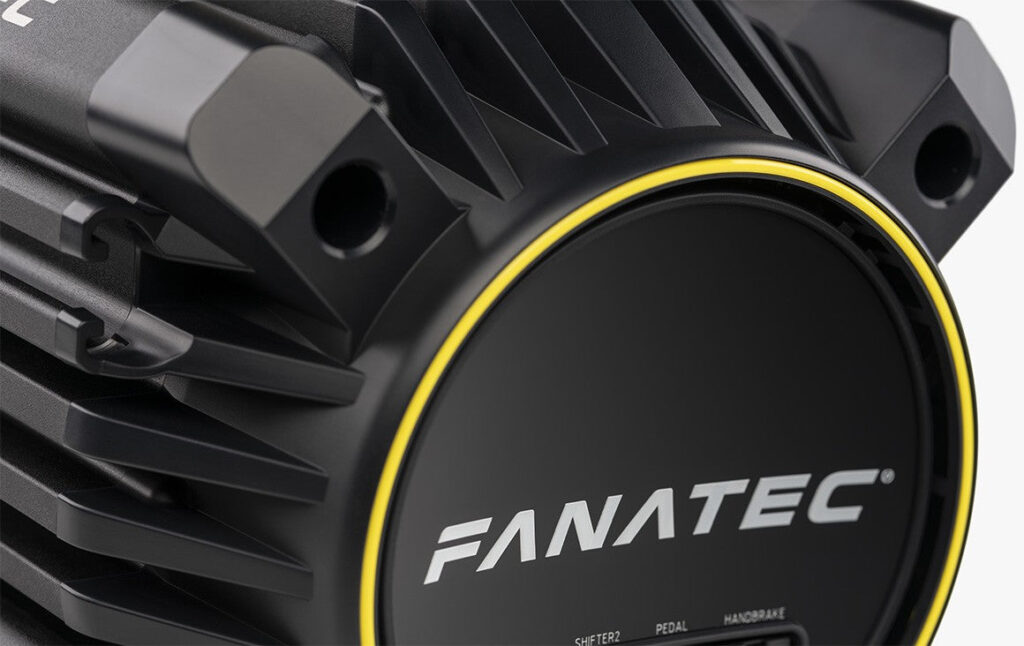
Materials are consistent with the ClubSport range: lots of metal, clean overall finish, precise assembly. Nothing sounds hollow, nothing moves, even when the steering wheel is forced. You can feel that the base has been designed to withstand hours of driving with repeated loads without flinching. "It feels like it can take a beating", in the positive sense of the word.
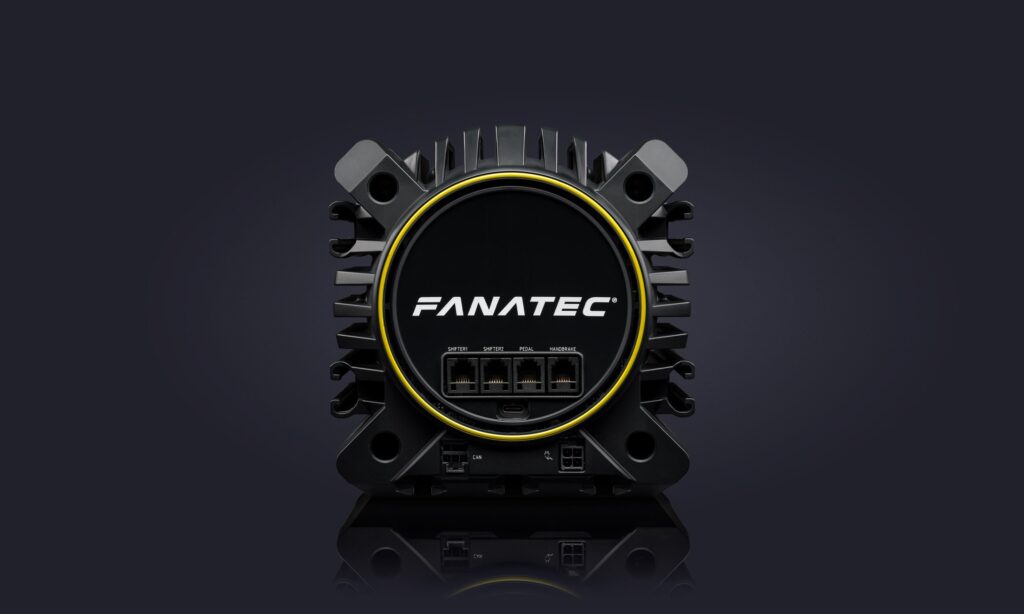
What's most surprising at first is how compact it is for a base in this category. It's a far cry from the big blocks of some older direct drives. This really facilitates integration into cockpits that aren't necessarily huge, while maintaining a very good impression of sturdiness. Cable management is decent, without being perfect: it's still clean, but we'd have liked a little more guidance or integration to keep everything neat and tidy.
As for minor disappointments, some plastic parts on the front and rear panels remind us that we're not dealing with a "full metal tank". Nothing dramatic, but those who like 100 % aluminum blocks will find that Fanatec remains a notch below some very premium competitors in terms of "solid" feel to the touch. In practice, it doesn't move, so it's more a question of perception than actual solidity.
Compared with an entry-level or mid-range belt drive, the difference in quality is obvious: stiffer, denser, and above all less play or small mechanical disturbances. Compared with very high-end direct drives, we're slightly behind in terms of the "timepiece" feel, but for a product aimed at the general public and enthusiasts, the manufacturing/cost compromise is coherent.
Settings, customization & compatibility
Fanatec remains true to its approach: most of the settings are made directly on the base and via its PC software. The internal menus are logical, with quickly usable presets. We navigate between overall force, filter, friction, damping and a few advanced parameters that allow us to adjust the character of the FFB without getting lost.
What struck me was that the settings "that count" are pretty quick to pin down. You can start with a ClubSport DD preset, lower the force a little, adjust the filter to suit your style (rougher or smoother) and, in a few minutes, you've already got something very clean. There's a learning curve, especially if you want to go deep into customization, but it's not daunting. You can get going very quickly with simple settings, then refine little by little.
On the PC, the base gives its full measure: broad compatibility with the main sims, fine profile management, the possibility of saving several configurations depending on the game or even the car. For console users, it's a little more structured, but Fanatec's advantage is precisely this relatively simple integration: you plug in, choose a preset, and you're ready to go. We're not in a "plug & pray" world, it's pretty clean.
The ecosystem is one of the big selling points. The ClubSport DD integrates perfectly with Fanatec steering wheels, CSL/ClubSport cranksets, shifters, handbrakes and more. The quick release makes it possible to switch from a GT to an F1 or rally steering wheel in a matter of seconds, with no perceptible loss of rigidity. It gives a real multi-discipline dimension to the base. For my part, this is where I appreciated the platform the most: a single core, several setup "identities".
In terms of upgradeability, the base clearly acts as a durable pivot in a setup. It's not an entry point destined to be changed in a year's time. The torque and finesse of the direct-drive motor are sufficient to support rider progression, cockpit or pedal upgrades, without giving the impression of restricting the rest. It's more of a base to keep for a long time, even if it means upgrading what's around it.
Sensations in play
On the track, the ClubSport DD quickly shows its character: it's clean, precise and detailed, without being brutal by default. The power available is more than enough to transmit racket strokes, loss of grip and big presses, but the base doesn't try to rip your arms off unless you ask for it in the settings. There's a good balance between physical immersion and control.
As far as the FFB is concerned, precision is the strong point. Small movements around the center are crisp, with no perceptible dead zones. When the car starts to slide, the steering wheel tells you early on, with a progressive signal. You immediately understand what the car is doing. Compared with a less powerful entry-level direct drive, you gain in legibility and nuance, not just raw violence.
In fast corners, the load on the steering wheel rises in a very linear fashion. You can feel the transfer of support, the compression of the suspension and the stress on the tires. The engine's torque keeps the weight in the hands without saturating them, which is a great help in maintaining a precise trajectory. On heavy downforce in GT or prototypes, it gives a great sensation of "landing" the car on the track, with very stable steering.
Grip reading is another important point. When you go in a little too hard and the front end starts to understeer, the steering wheel loses weight in a fairly natural way. On the other hand, when exiting with oversteer, the torque rises with a clear feedback effect, making corrections intuitive. It's not the "roughest" base on the market, and there's no excess of micro-vibrations, but the useful information is there, in a clear hierarchy.
On vibrators, the feel depends very much on the filtering you choose. With few filters, you can clearly feel the structure of the vibrator, the jerks, the quick little shocks. The motor responds quickly, with no perceptible latency, allowing you to "read" the vibrator through the steering wheel. By increasing the smoothing a little, you keep the shape of the vibrator but remove the too-dry side, which can be more comfortable for long sessions. Here, everyone adjusts according to their tolerance and cockpit.
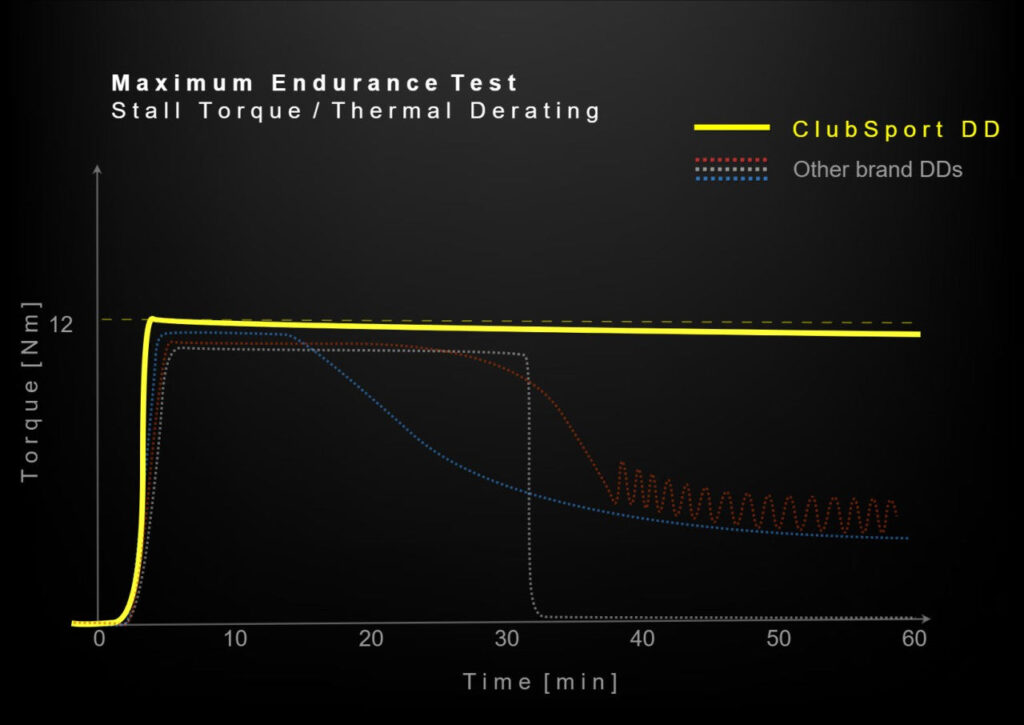
Over time, consistency is good. No warming-up problems, no sensation of torque dropping off after a while. The base remains stable in terms of strength and feel, which is important for muscle memory. For sessions lasting several hours, the key factor is the maximum force setting: too high and you'll get tired; well calibrated, you'll stay precise for a long time without tensing up.
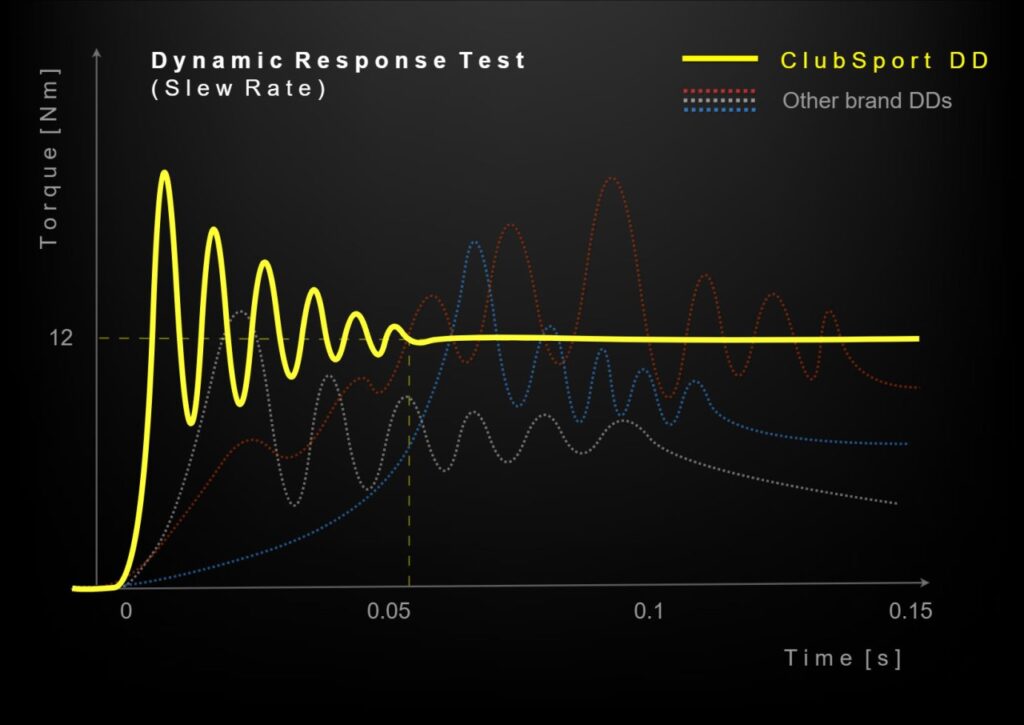
In fast corrections, the ClubSport DD is responsive and clean. When the rear stalls, the steering wheel goes fast but in a controllable way, without any strange electronic jerk. The motor's rotational speed makes it possible to catch a slip with short, efficient movements. This is where the difference with a less powerful base is most obvious: you have more margin to counter a drift, as the motor more easily follows what your hands want to do.
In terms of overall feel, immersion is very solid. You really feel connected to the car's chassis, with a steering wheel that tells you what's going on under the tires without exaggerating artificially. Confidence is quickly built up, especially at the start of corners, where the base helps you feel where the limit is without having to lose control suddenly. Frankly, it's the kind of base that makes you want to go on lap after lap, just for the pleasure of feeling it in your hands.
Compared to much more powerful bases, we lose a little in raw physical "wow factor", but sometimes gain in everyday comfort. The ClubSport DD remains in a zone where you can take advantage of the direct drive without going to extremes. For many sim racers, this is a very appropriate balance.
Who's it for? What we like / What we don't like
The ClubSport DD is clearly aimed at the motivated sim racer: intermediate user who comes from a belt-driven base or a small direct drive, or already experienced rider who wants a solid setup center without going up to the very high-end. For a complete beginner, it's still affordable, but it's honestly a bit oversized if you're not sure you'll stick with the hobby. On consoles, it's aimed at those who want to take a real step up in sensations without switching to a dedicated PC immediately.
Among the positive points, the quality of the FFB comes out on top. The level of detail, linearity and responsiveness give a clean, usable feel, with a real gain in control over a simpler base. Then comes the available power, well calibrated for "serious" use without becoming a trap. Finally, integration in the Fanatec ecosystem is a real plus: easy flywheel change, broad compatibility, relatively simple set-up.
As far as limitations are concerned, the overall investment is worth mentioning. The base alone is a certain budget, but to get the most out of it, you need a fairly rigid cockpit and a coherent steering wheel/pedal assembly. The complete entry ticket is not negligible. Secondly, you're still dependent on the Fanatec ecosystem for the flying part, which reduces mix-and-match possibilities compared with more open solutions. Finally, some fussy users will find that the finish and certain software details don't go as far as some ultra-premium competitors who push the experience right down to the smallest button.
In terms of perceived value, the ClubSport DD is a serious but justifiable investment for someone who plays a lot. It's clear where the money is going: into the engine, precision and consistency. For an occasional user, the expense may seem high; for an enthusiast who rides several times a week, the base model defends itself very well in terms of feel/price ratio.
Verdict
The Fanatec ClubSport DD clearly changes the backbone of a setup. You go from a steering wheel that "simulates" a car to one that really makes you feel the car: grip, downforce, loss of grip, vibrators, everything becomes clearer and finer. It's the kind of basic setup that transforms an already decent pedals and cockpit into a much more coherent and immersive whole.
On the market, the ClubSport DD sits in the accessible premium segment, just below the monsters of power and price reserved for the ultra-passionate. It offers enough torque and precision to satisfy the majority of serious sim racers, while remaining manageable in terms of set-up, adjustments and comfort. It's not the most extreme base, but it's clearly not a "semi-pro" bargain either.
I recommend it to intermediate and advanced PC or console users who want a durable base for their setup, with a real jump in feel compared to an entry-level or mid-range base. On the other hand, if you don't play much, if your cockpit is light or if you're looking for the cheapest possible solution to get started, it's not the best choice in the short term.
If you're looking for a powerful, precise and scalable direct drive base, capable of becoming the solid core of your Fanatec ecosystem, this product can clearly make the difference in your setup.


Reviews