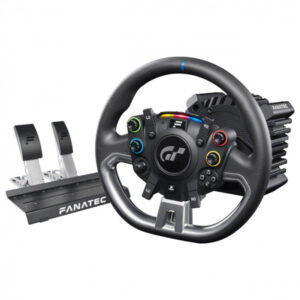
Fanatec Gran Turismo DD Pro (8 Nm) : Test & Review | What it's really worth in 2025

Fanatec Gran Turismo DD Pro (8 Nm): My brief review

This Direct Drive gave me the impression of transforming the steering wheel into a real driving tool, with legible force feedback that clearly changes the way you feel the car. It makes sense for console or PC gamers already involved, who want serious, upgradeable hardware without aiming for the very top of the range. The whole package remains coherent for a setup used regularly.

When you buy through our links, we may earn an affiliate commission.

Fanatec Gran Turismo DD Pro (8 Nm): verdict after intensive use

The Fanatec Gran Turismo DD Pro (8 Nm version) has clearly established itself as one of the most serious gateways into the world of "mainstream" Direct Drive. It's aimed at this coveted niche: powerful and precise enough to satisfy a demanding simracer, but still console-compatible, relatively compact, and offered as an officially licensed Gran Turismo bundle.

On paper, it promises what many are looking for today: the sharpness of Direct Drive, good compatibility with the most popular console games, and an upgradeable base that can accompany serious progress, without falling into the prices of ultra-premium big blocks.

My angle with this DD Pro 8 Nm is simple: judge its precision, quality of feel, versatility and comfort over time. In other words, how much it really changes the experience compared to a belt-driven or geared base, and whether its compromises (power, finish, ecosystem, price) hold up to real use, several hours at a time, on different types of games.

The idea is to see whether this GT DD Pro 8 Nm deserves its reputation as a "sweet spot" between accessibility and performance, or whether it remains a transitional product before moving on to more serious stuff. Because today, a Direct Drive is no longer a luxury: it's become the standard aimed for by many players.

Design and manufacture: compact, serious, but not perfect

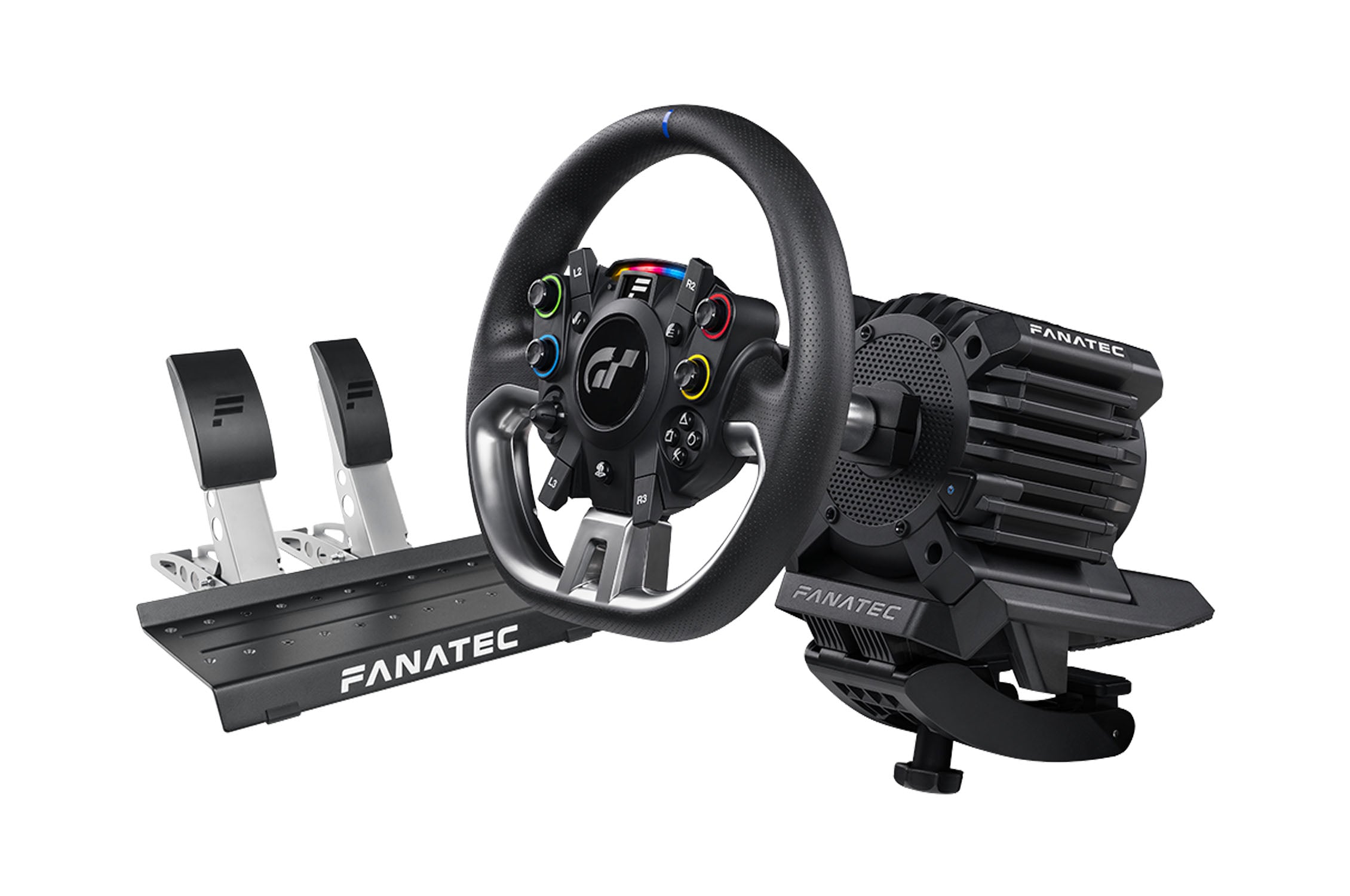
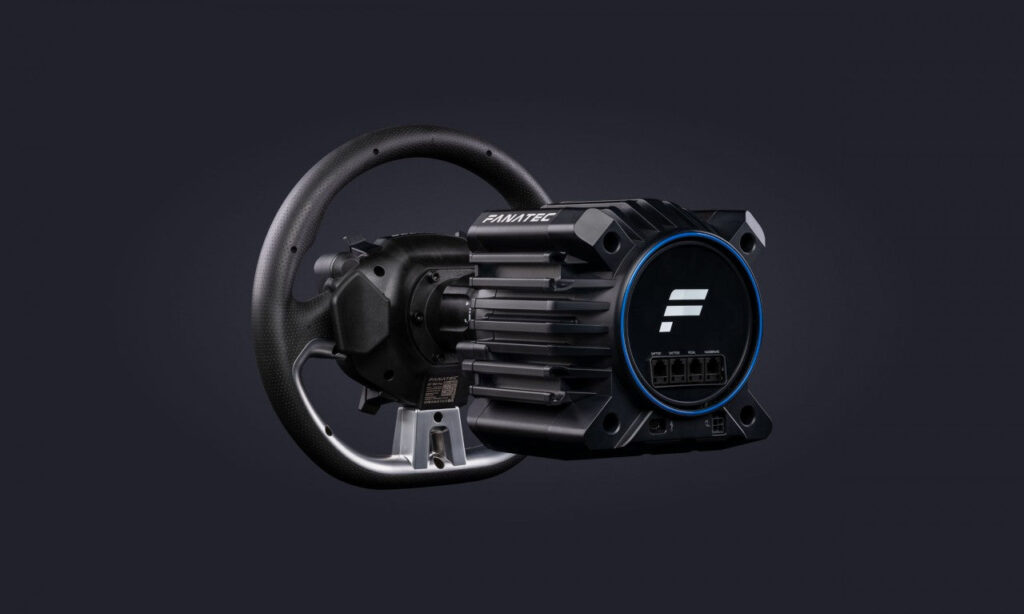
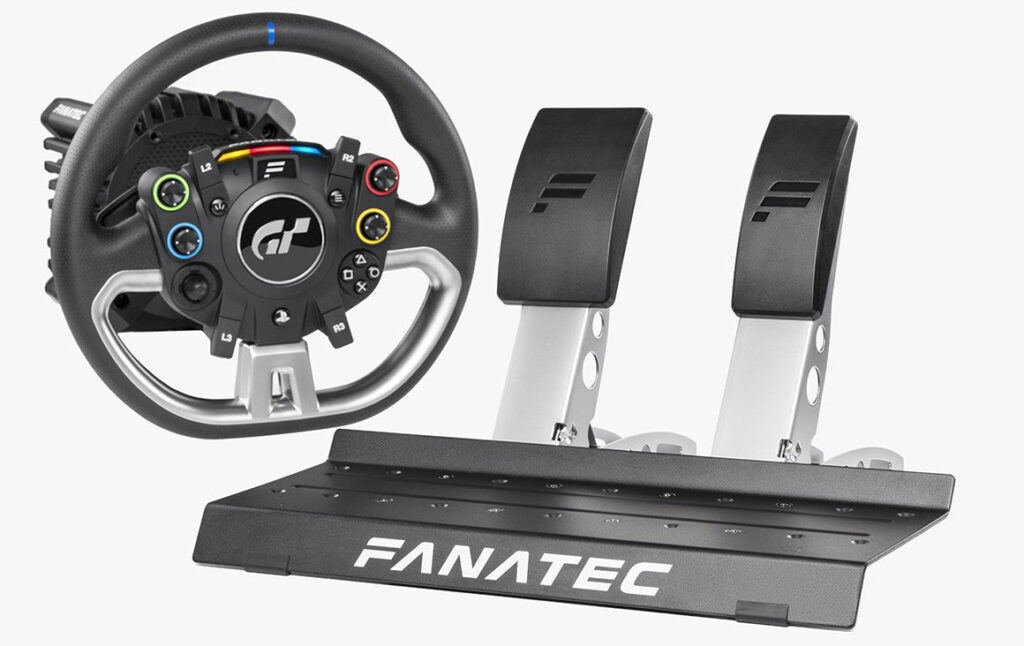
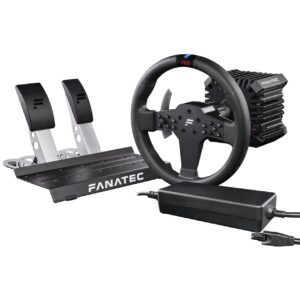
The Gran Turismo DD Pro's engine block is surprisingly small. It's quite compact for a Direct Drive, with its finned aluminum casing acting as both heat sink and structure. In hand, it gives a reassuring impression of density and solidity. You don't feel like you're handling a toy, even though you're in the "intermediate" range.

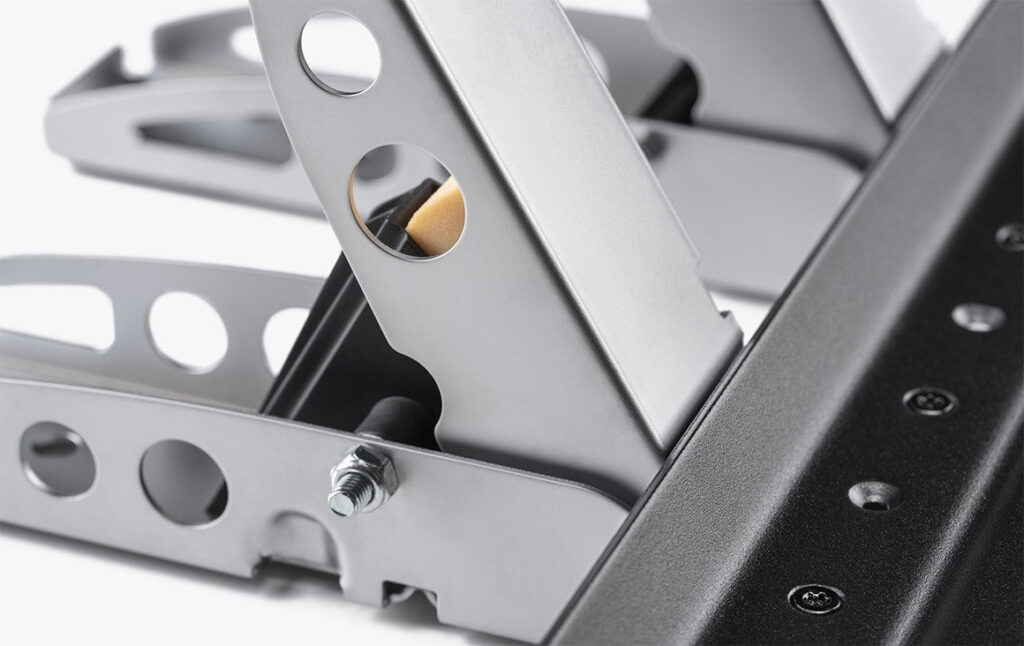
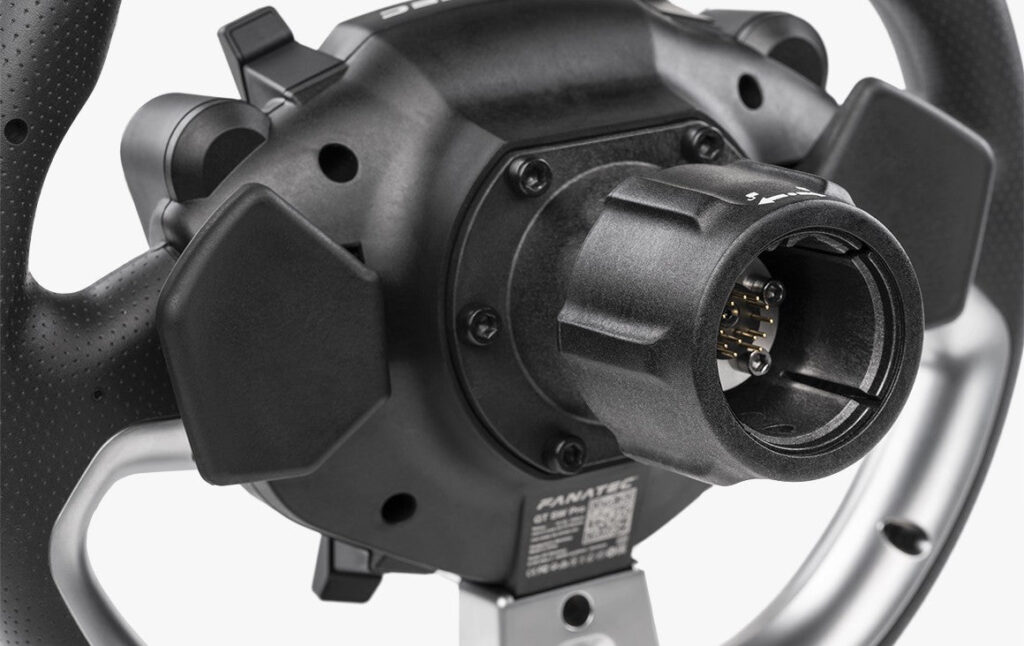
The overall finish is clean: reliable assembly, well-integrated screws and bolts, no interfering gaps. Connectors at the rear are neatly arranged, with real sockets worthy of PC equipment rather than flimsy console connectors. Placed on a rigid cockpit, the base doesn't flinch. You can tell it's been designed to hold tight and withstand hours of riding.

The Gran Turismo steering wheel that comes with it is where things take a downward turn. The structure is correct, and the grip is pleasant, but the plastic controls and coating give a slightly "console" feel rather than pure simracing hardware. Buttons are plentiful and practical, but their clicks lack precision under the finger. It works, but doesn't exude the same perceived quality as the base itself.

Compared to some of its more massive rivals, the DD Pro seems a little "lighter", less tank-armored. But for its segment, the rigidity is there, and the whole remains consistent with its price positioning. It's easy to see that this is a product designed to last for many years, provided it's mounted on a serious structure, not a rickety desk.

Settings, customization and compatibility

In terms of software and settings, Fanatec has clearly sought to balance simplicity and depth. The on-board menu already lets you adjust the main parameters without having to delve into PC software. Overall force, filtering, natural FFB, angle of rotation: you can set the essentials from the base or the steering wheel, which is a great advantage when you're playing on a console.

Using the dedicated PC software, you can unlock more detailed settings. Here, it takes a little time to get to grips with each parameter and understand what really changes on the track. For my part, I found that a few options really made the difference: damper management, minimal force for fine details, filtering mode to smooth out peaks that are too violent on certain tracks. It's not complicated, but to get the best out of it, you have to be willing to spend a little time on it.

Presets for the main games save precious minutes. You rarely start from scratch, and then adjust to your taste. For a console gamer or a profile that doesn't want to get lost in the menus, this is reassuring. For a more advanced simracer, there's plenty of scope for customization.

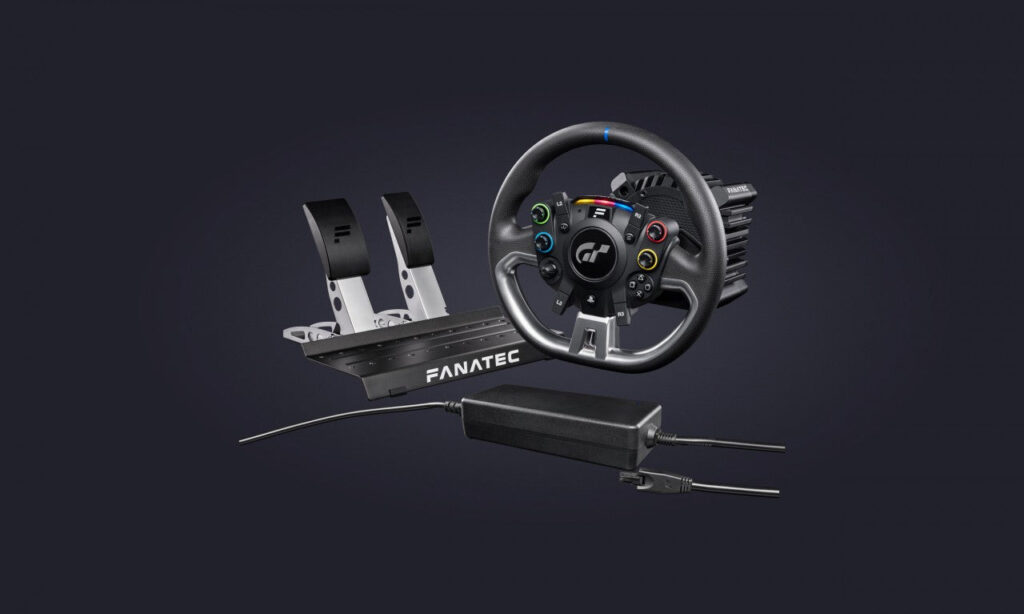
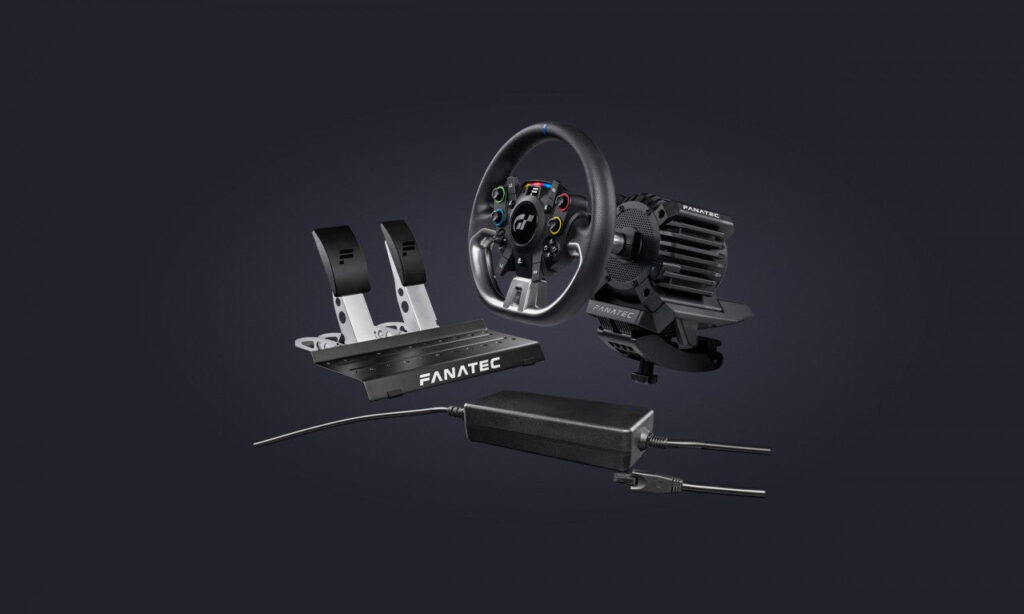
In terms of compatibility, the GT DD Pro is clearly designed as a console + PC hybrid solution. On the practical side, the Fanatec ecosystem is behind it: interchangeable steering wheels with proprietary quick release, pedals, shifters, handbrakes, everything plugs in rather neatly. You can start with the "basic" bundle and upgrade it piece by piece, by upgrading the steering wheel or simply changing the crankset.

In terms of scalability, it's more than just an entry point. It's a base that can remain the heart of the setup for a long time, even after several upgrades around it (new screen, beefier cockpit, new peripherals). You don't immediately get the impression of a "temporary" product destined to be replaced at the first level of progression.

Game sensations: where Direct Drive changes everything

Once on the track, the first thing you notice is how clean the signal is. The GT DD Pro's 8 Nm power feedback isn't monstrous, but it's direct and clean. No dead backlash, no blurring due to belts or gears. You can immediately feel that everything the simulation sends out, the base is trying to retranscribe without any intermediary.

On fast bends, the precision is much appreciated. It's easier to position the car, maintain a constant steering wheel angle and get a better feel for when the front end starts to slip. Where a weaker belt-driven base will sometimes erase micro-variations in force, the DD Pro retains a pleasing finesse of reading, even without pushing power to the limit.

Grip reading is one of its strong points. You can feel the transition between grip and the onset of loss of control. The steering wheel lifts off, then returns, with enough nuance to anticipate rather than suffer. You immediately understand what the car is doing. It gives you more confidence, especially when you need to work on your braking points and corner entries.

On vibrators, behavior depends very much on the filter settings chosen. With a slightly rough profile, you feel every edge, every rough band. With a little filtering, shocks become more realistic and less "digital", while retaining useful information. Wide, flat vibrators are recognizable, while more aggressive vibrators really shake you, without falling into the caricature of artificial vibrations.

In fast corrections, the 8 Nm places itself in an interesting zone. It's powerful enough to send the steering wheel back into your hands during a stall, but not so powerful as to become intimidating or difficult to hold. Control is maintained, even when hard countersteering, provided the settings are well balanced. You can link tight maneuvers without fighting with the base.

On long sessions, signal consistency is good. The engine doesn't seem to weaken, the temperature remains under control, and no strange behavior appears after a while. On the other hand, when pushing the 8 Nm close to maximum without a filter, fatigue in the forearms can become noticeable. You then need to adapt the overall force to ride for long periods without tensing up. Properly adjusted, you can ride for a long time without any particular pain, especially if the cockpit is well positioned.

Compared to a less powerful belt-driven base, the gap is immediately noticeable: more detail, less softness around the mid-point, and better responsiveness to rapid load changes. The car simply feels more alive. Compared with more powerful, higher-end Direct Drive bases, the GT DD Pro is obviously still a notch below the FFB in terms of pure impact and "density". But for intermediate use, it offers a very pleasant compromise: enough to really feel at home in the car, without becoming extreme.

Overall immersion is good. You find yourself correcting earlier, catching glides you'd probably have lost with a softer steering wheel. You pilot a little more with your hands, a little less "blindly". This is where the base really changes the experience.

Who's it for? What we like, what we don't like

In my opinion, the Gran Turismo DD Pro 8 Nm is aimed at three main profiles. Firstly, the motivated console gamer who wants to take the step up to serious hardware, without leaving his or her usual ecosystem. Secondly, the PC intermediate who comes from a belt-driven wheel and is looking for a versatile first Direct Drive. Finally, the confirmed simracer who plays regularly, but doesn't need (or want) to switch to a more extreme, more expensive and more cockpit-demanding block.

What I appreciate most is the quality of the force feedback in relation to the power offered. The finesse/control/pattern ratio is well balanced, especially on a well-tuned setup. I also like the Fanatec ecosystem around it: you can upgrade the steering wheel, the pedals, add a shifter, without having to change everything. Finally, the console + PC compatibility makes it a more reassuring purchase, especially if you alternate between the living room and the office, or if you change platforms over the years.

As far as limitations are concerned, the basic Gran Turismo steering wheel quickly shows its concessions: slightly cheap material, perfectible button feel, diameter and feel that may frustrate those looking for a more "pure racing" steering wheel. The 8 Nm of power may also be a little too little for those who really want a very physical steering wheel, or an extreme level of detail in the style of pro equipment. Finally, the overall price, once you add a good crankset and possibly another steering wheel, becomes a real investment. It's no longer an impulse purchase, but a well-considered choice in a setup.

In terms of perceived value, the whole package remains coherent. The price is justified by precision, compatibility and upgradability. But for someone who will only play occasionally, or who doesn't intend to delve into simracing, it may seem high. It's a product that really comes into its own when you know you'll be using it regularly.

Verdict: a solid pivot for a serious setup

The Fanatec Gran Turismo DD Pro 8 Nm brings something very concrete to a setup: it takes power feedback from the "gadget" stage to a reliable steering tool. After it, it's hard to go back to a basic belt drive without feeling a big loss of precision. This is the kind of equipment that makes simracing more readable, more intuitive and more demanding at the same time.

On the market, it's clearly positioned in the solid mid-range of Direct Drive, with a pivotal profile: high enough to satisfy the majority of serious gamers, but not at the level of premium monsters aimed at pure enthusiasts with very rigid cockpits and big budgets. It's aimed at the core target group of simracers who want credible hardware without blowing their budget.

I highly recommend it to console gamers who want to take their game to the next level, to PC users who are making progress, and to those who want a single steering wheel capable of covering both advanced arcade and rigorous sim. For ultra-specialized drivers looking for extreme sensations, or those who already ride on more powerful bases, it won't be the best choice: they'll find its limits pretty quickly.

If you're looking for a versatile, accurate, console-compatible Direct Drive capable of carrying a complete setup for several years, this product can clearly make the difference in your setup.</final

Reviews

Be the first to review “Fanatec Gran Turismo DD Pro (8 Nm)”

Your email address will not be published. Required fields are marked *

en_US