
Fanatec Podium Hub : Test & Review | What it's really worth in 2026
Fanatec Podium Hub: My opinion in brief
This hub gave me the feeling of finally getting the full mechanical potential out of a Fanatec base, with a sharper, more consistent feel at the wheel. Above all, it makes sense for simracers who are already well established, who want to build "real" steering wheels and develop their setup over time. The investment is targeted, but coherent if you're aiming for a performance-oriented cockpit.
When you buy through our links, we may earn an affiliate commission.
Fanatec Podium Hub: the opinion of a demanding simracer
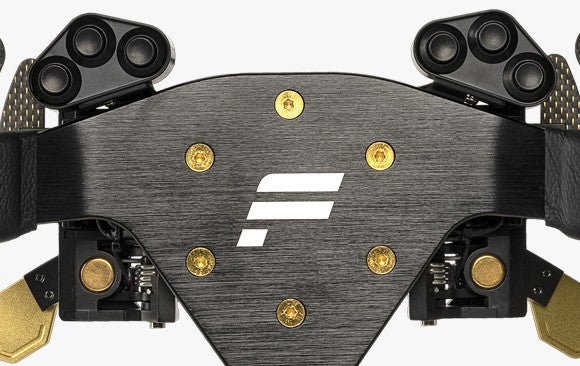
The Fanatec Podium Hub is a kind of centerpiece for all those who want to switch to "real" steering wheels on a Fanatec ecosystem. It's not a steering wheel, nor a base, but the link between your Direct Drive base and a real steering wheel from the world of cars / karts / GT. In short, it's the top-of-the-range adapter that lets you mount a racing-type steering wheel while retaining Fanatec electronics (buttons, paddles, etc. via dedicated modules).
On paper, it promises flexibility, extensive compatibility and the robustness of racing hardware. It's aimed at simracers who are no longer content with "all-in-one" steering wheels and want to shape a setup in their own image.
My angle is simple: does this Podium Hub justify its "premium" positioning in terms of mechanical feel, compatibility and everyday comfort? Does it really offer anything more than a simple QR1 adapter + third-party steering wheel without Fanatec electronics?
The idea is not to dream of endurance prototypes, but to see if, in concrete terms, this hub improves the ergonomics, solidity and coherence of a performance-oriented Fanatec setup. Because at the end of the day, what we all want is a steering wheel that holds up, responds, and doesn't turn into a puzzle after a few full locks in GT3.
Design and manufacture of the Fanatec Podium Hub
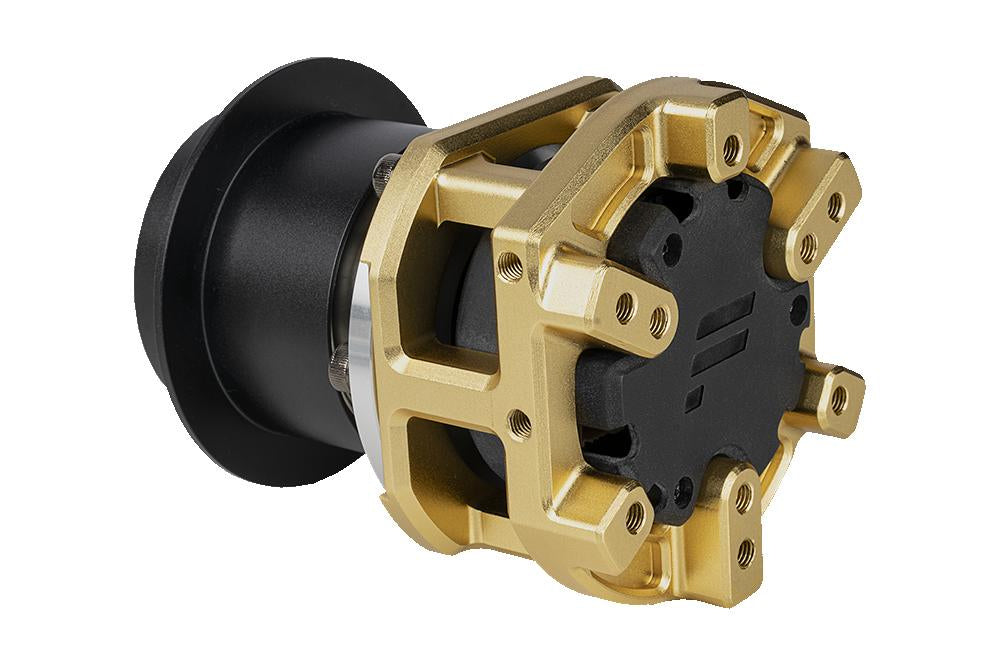
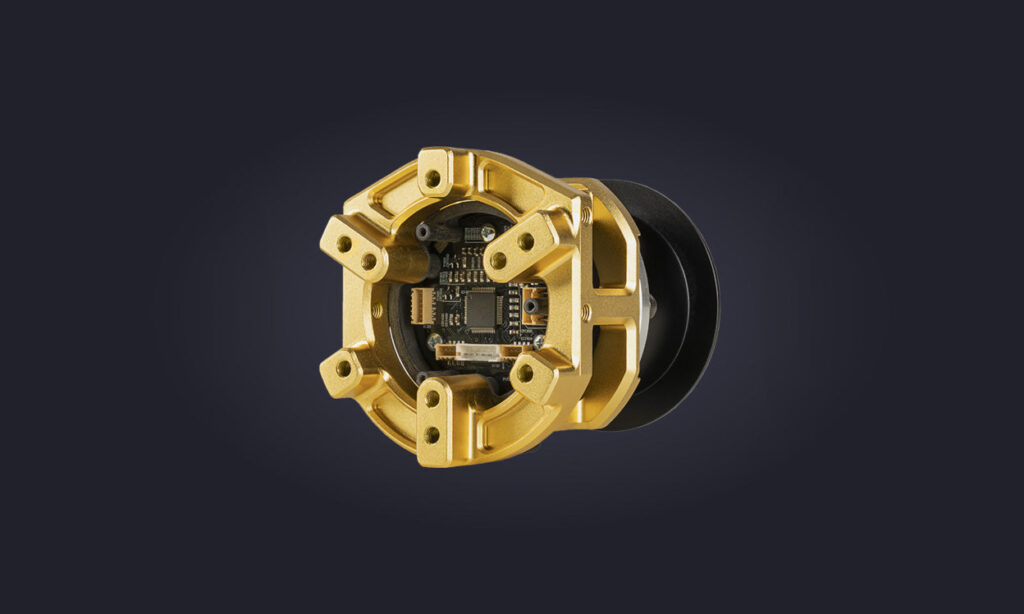
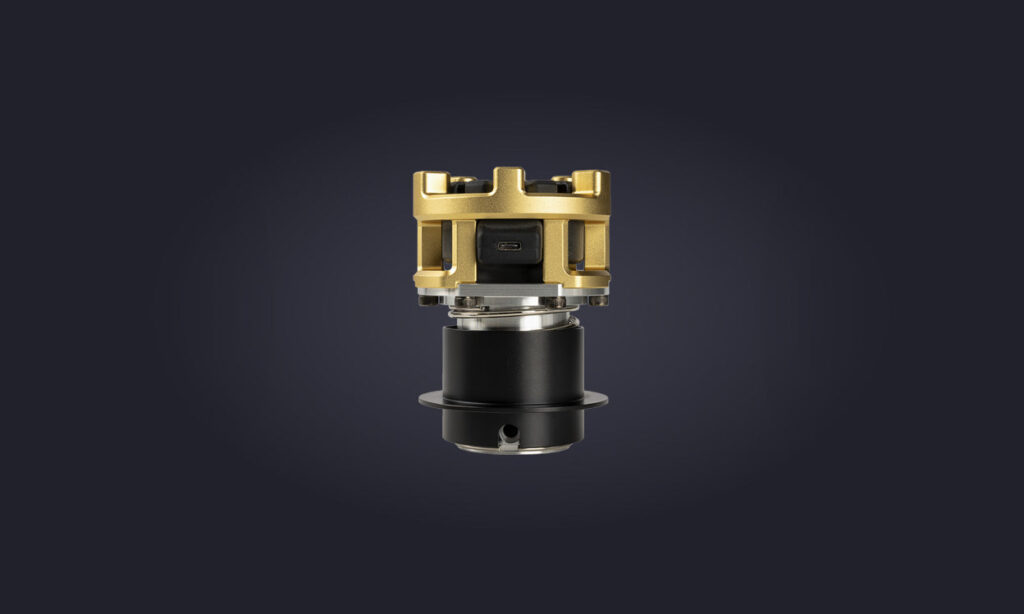
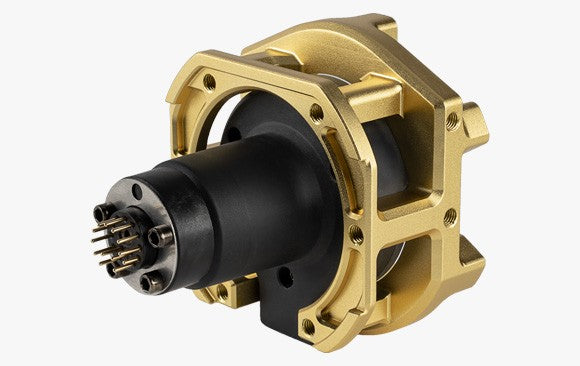
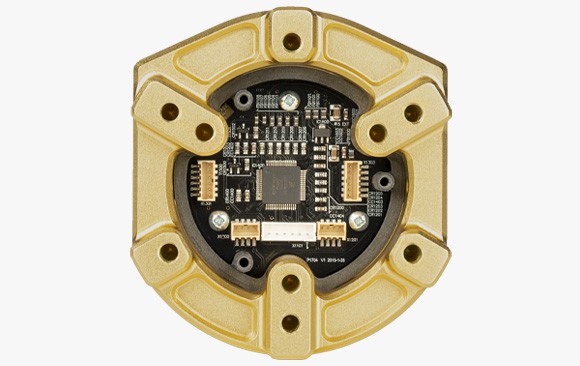
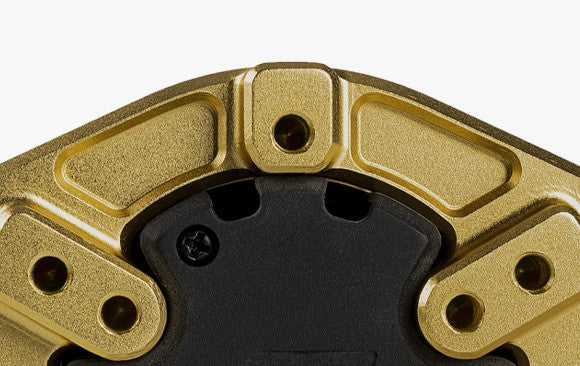
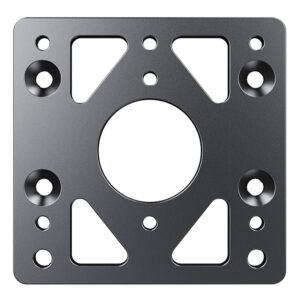
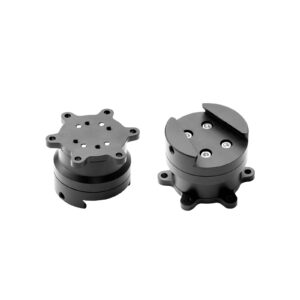
In hand, the Podium Hub immediately gives the impression of a "serious" piece. The body is machined metal, with clean surfaces, sharp edges and a reassuring density. You immediately sense the high-end aspect compared to simpler hubs or generic adapters. Nothing moves, nothing sounds hollow, everything exudes compactness.
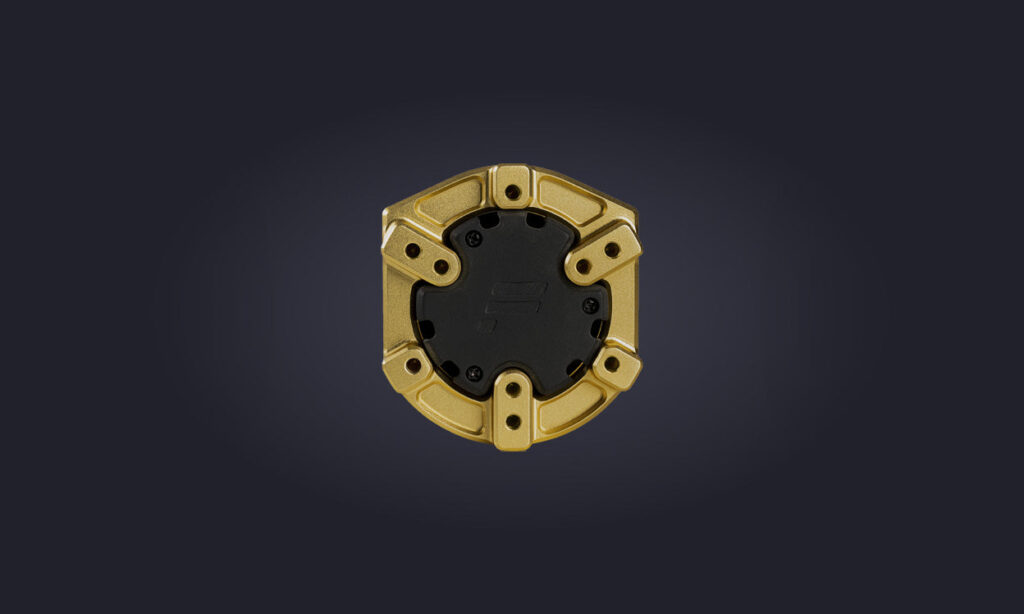
The mounting system for the steering wheels (PCD-type holes) is designed to accept current sim racing and car standards. When you put a steering wheel on it, it doesn't flex, even on a large diameter. Rigidity is the strong point: on a Direct Drive base, it counts for a lot. You get the feeling that this hub is built to handle torque, racket hits and prolonged sessions.
What's striking is the cleanliness of the assembly: aligned screws, homogeneous finish, no burrs. When you're driving, there's no parasitic vibration from the hub itself. The only noises you can hear may come from the steering wheel or paddles, but never from the hub.
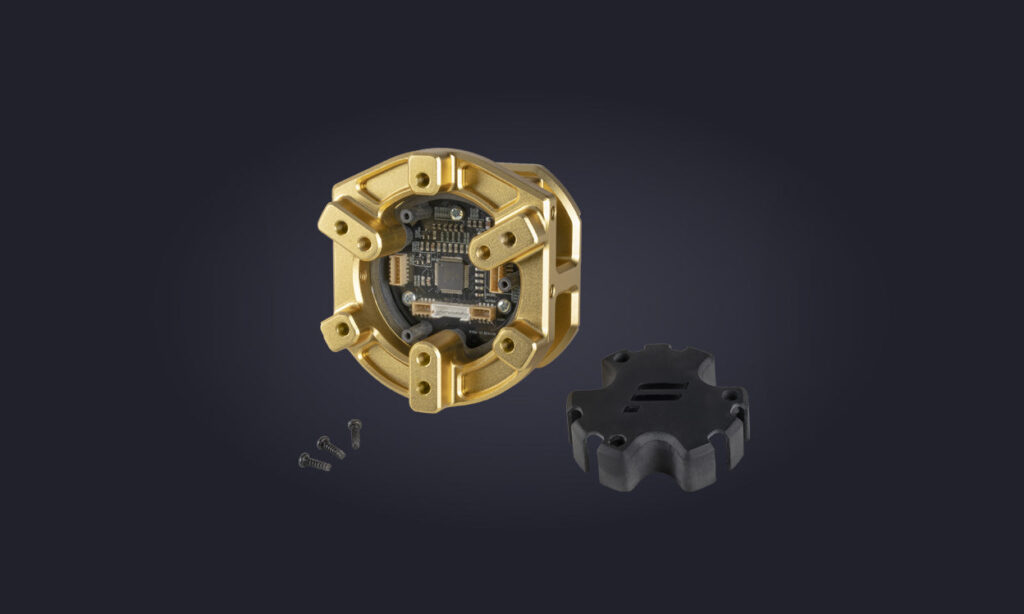
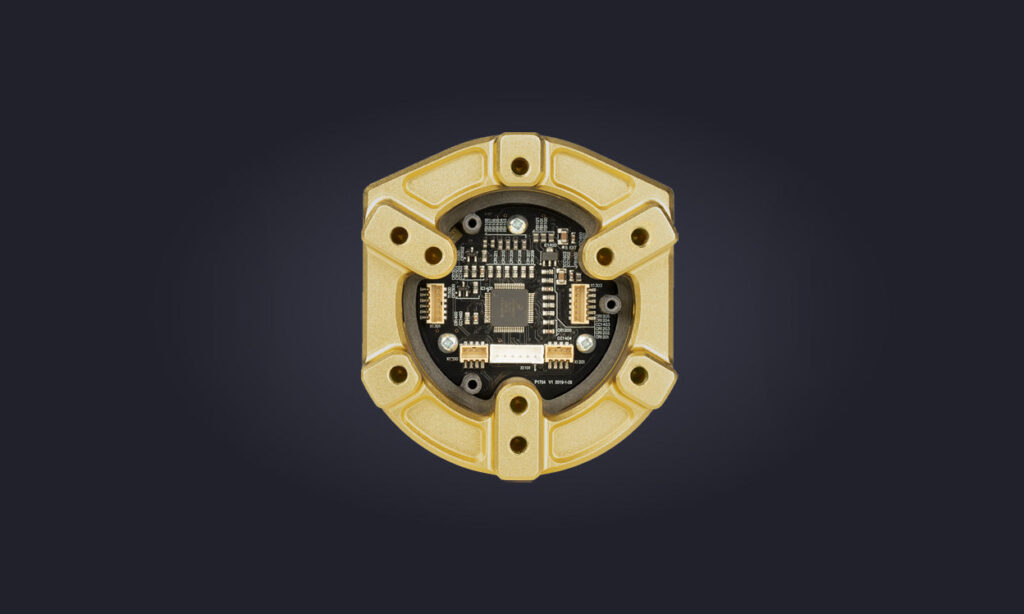
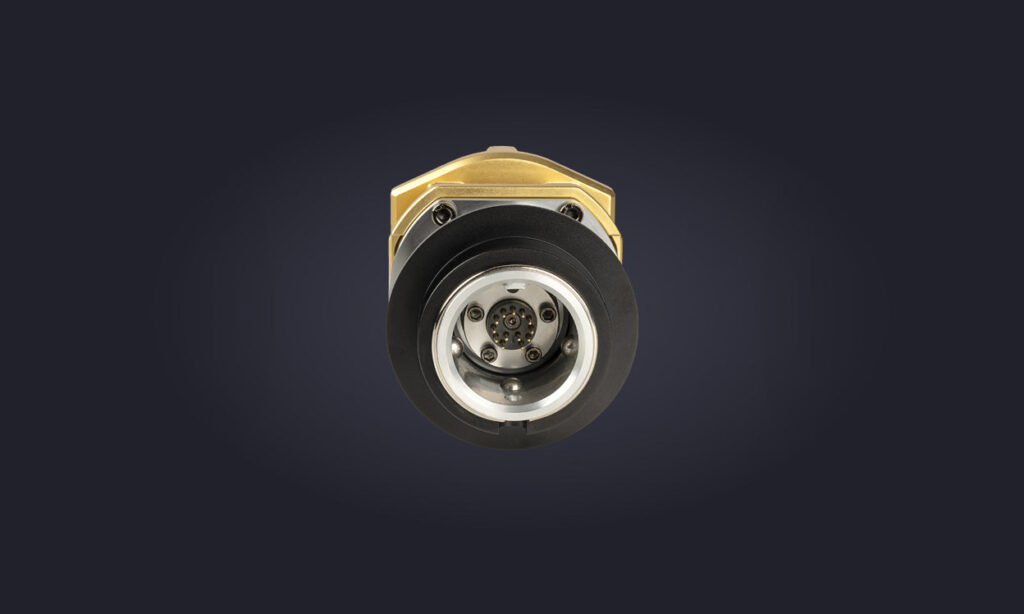
The integrated electronics (connectors for Fanatec Button Modules, displays, Podium magnetic paddles, etc.) are well protected. There's no need to handle fragile mats or exposed wires, and that's a real plus for perceived durability.
What may be a little disappointing is that, visually, the Podium Hub remains fairly technical, almost crude. Some will like the pure racing look, while others would have appreciated a slightly more aesthetically "finished" design, especially for the price. Compared to a Clubsport hub or a complete Fanatec steering wheel, we've lost the "ready-assembled product" aspect for something more modular and a little more austere.
Compared to entry-level hubs or simple mechanical adapters, this is clearly a step up in build quality. It's built to last, and to withstand years of intensive sim racing.
Settings, customization and compatibility
The Podium Hub has no settings in the traditional sense (no FFB menu, no profiles), but it plays a central role in steering wheel customization. It lets you choose your steering wheel, your button module, your palettes, and integrate everything neatly into the Fanatec ecosystem.
Installation is pure Fanatec: once the Podium Hub is recognized by the base unit, the whole unit appears as a compatible steering wheel, provided you use the appropriate Fanatec modules. Settings are then made via the Fanatec driver and the base's menus (sensitivity, displays, button functions depending on the module installed). The learning curve is very reasonable if you've already used a Fanatec wheel. If you come from another ecosystem, you'll just have to take the time to understand how the base handles profiles and advanced functions, but it's not insurmountable.
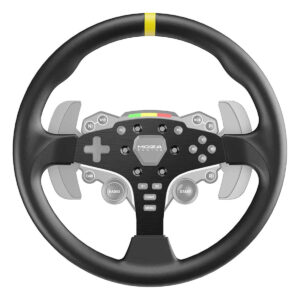
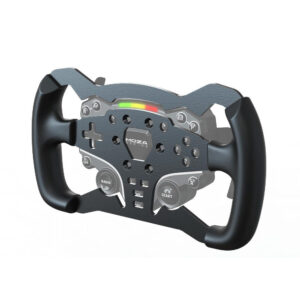
Customization comes down to the choice of steering wheel itself: diameter, shape (round, D-shape, GT, F1), rim thickness, weight. The Podium Hub gives you a great deal of freedom. It's a real playground for the fastidious simracer. You can build a very light wheel for open wheel, or a more massive one for GT and endurance. And the hub follows suit.
As far as compatibility is concerned, the usual Fanatec limitations must be borne in mind. On PCs, full potential is exploited: recognition of hub and modules, broad compatibility with games. On consoles, it's the base that lays down the law: if it's compatible, the Podium Hub will work, but not all combinations of modules or displays will necessarily be managed in the same way as on the PC. Don't expect any extra magic compared to a classic Fanatec steering wheel: the hub doesn't unlock new compatibilities, it integrates into what already exists.
In terms of ecosystem, this is clearly a mid-range/high-end oriented piece. We're talking about a product designed to last several bases. You could very well start with an "intermediate" Fanatec Direct Drive, then move on to a more powerful base later: the Podium Hub remains at the center of the setup. It's not a cheap entry point, it's a durable brick in a premium package.
Sensations at stake with the Podium Hub
Even though the Podium Hub is not a base, it has a direct impact on feel. Why? Because it's the mechanical link between the motor and your hands. Because it's the mechanical link between the motor and your hands. Its rigidity, weight and lack of play influence the way you feel the FFB.
The first thing that stands out is torque transmission. On a Fanatec Direct Drive base, the Podium Hub filters out virtually nothing. Force variations are very clear, with none of the micro-flexion sometimes experienced with simpler hubs or "softer" steering wheels. When the car picks up, the information is immediately transmitted to the steering wheel. No delay, no blur. You quickly understand what the car is doing.
Cornering precision is excellent. The center is firm and stable, with no artificial float created by moving mechanical elements. When you open the steering wheel at the end of a curve, the sensation of returning to the center remains linear and highly controllable. The hub generates no perceptible friction or parasitic resistance. The feel is clean, almost clinical, which is very pleasing from a performance point of view.
In terms of grip, the main benefit is clarity. The slightest loss of grip is easier to feel, because there's no "mechanical play" to absorb these tiny signals. On a less rigid base with a flexible original steering wheel, the limit sometimes arrives all at once, in a less legible way. Here, the transition zone is more progressive in feel. You get a better feel for when the car starts to slip, especially on more responsive drives.
Vibrators are a good test. With a Podium Hub, you can feel the profile of the vibrators very clearly, without them turning into a vague rumble. You can feel the structure, the repetitions, the height increases. It taps, yes, especially if the base is set high, but it taps cleanly. This is where we see the difference with a less rigid setup: instead of making everything vibrate, the hub remains neutral and lets the motor do its work.
On fast corrections, the hub really shows its worth. Right/left sequences, over-steering takeovers, steering wheel movements to avoid an incident: responsiveness is excellent. There's no sense of the steering wheel "dragging" behind the engine. If the steering wheel mounted on it isn't too heavy, you get an ultra-quick combo, ideal for single-seaters and modern GTs. You can really get into the car, and dare to take more aggressive trajectories, because you know the tool will respond.
Over long sessions, the main advantage of the Podium Hub is its consistency. No screws that loosen, no play that gradually builds up, no behavior that changes with each lap. You'll find the same sensations after an hour's riding. Fatigue will depend mainly on the torque you've chosen on the base and the type of flywheel fitted, but not on the hub itself.
Compared with a simpler configuration (original steering wheel bundle, lighter but more flexible integrated hub), the Podium Hub provides a more straightforward and controlled feel. Compared with even more extreme solutions at the very top end of the market, or custom machining, our approach remains very balanced: we have rigidity, modularity and software integration, without falling into the ultra-niche side that requires constant tinkering.
It's not going to turn a small base into a torque monster, but it does allow a well-tuned Fanatec base to express its full potential, without mechanical bottlenecks. And that's where the part really comes into its own.
Who's it for? What we like, what we don't like
The Fanatec Podium Hub is clearly aimed at intermediate to advanced simracers who are already familiar with the Fanatec ecosystem and want to take their customization to the next level. For a complete beginner, it's often more logical to start with a complete Fanatec wheel, which is simpler and more plug & play. The Podium Hub really comes into its own when you know what you want in terms of steering wheel shape, diameter and feel.
For my part, what I appreciate most is the rigidity and mechanical quality. You can feel that the torque of the base is being exploited without unnecessary filtering. Secondly, the modularity is a real pleasure: you can upgrade your steering wheel as you wish, going from a big GT steering wheel to an open wheel while keeping the same heart. Finally, integration into the Fanatec ecosystem remains a real asset: no need to juggle with cobbled-together electronics or strange compatibilities, everything is recognized cleanly by the base and games.
As for limitations, you have to accept the overall cost of the solution. The Podium Hub alone doesn't make a steering wheel: you have to add a rim, often a button module, sometimes dedicated paddles. The bill quickly climbs, especially for a purely leisure setup. Secondly, it's not the most plug & play product: you have to screw it on, align it, install modules, and spend some time optimizing it. It's not complicated, but it's not the "unpack and go" level of a steering wheel bundle. Last but not least, the real interest comes from sufficiently powerful Direct Drive bases. On a more modest base, the gain remains in solidity and modularity, but the investment may seem disproportionate.
In terms of perceived value, this is a product that's not trying to appeal to everyone. It's a targeted investment, designed for those who want a setup that's upgradeable, clean and durable. If you fit this profile, the price/use ratio makes a lot more sense, because you know you'll be using this hub over several setup iterations.
Verdict on the Fanatec Podium Hub
The Fanatec Podium Hub doesn't change the power of your base, but it clearly changes the way you exploit it. It transforms a Fanatec setup into a very serious platform for mounting real racing wheels, with clean power transmission, exemplary rigidity and well-managed software compatibility. It's an "invisible" part in a setup, but a structuring one.
It is positioned in the premium, modular segment of the market. It's not a decorative accessory or a gadget: it's a core component for those who want to get out of ready-made steering wheels without leaving the Fanatec ecosystem. It coexists more with competing advanced simracing accessories than with turnkey bundles.
I'd recommend it to simracers already installed on Fanatec, who drive regularly, who have a Direct Drive base or plan to switch to it, and who want to get closer to the feeling of a real racing cockpit. For the occasional console-only gamer who doesn't want to bother with hardware configuration, it's clearly not the priority.
If you're looking to build your own flywheels while staying within the Fanatec ecosystem, with a solid, precise feel, this product can clearly make the difference in your setup.



Reviews