
MME Motorsport H+ Sequential gearbox: Test & Review | What it's really worth in 2026
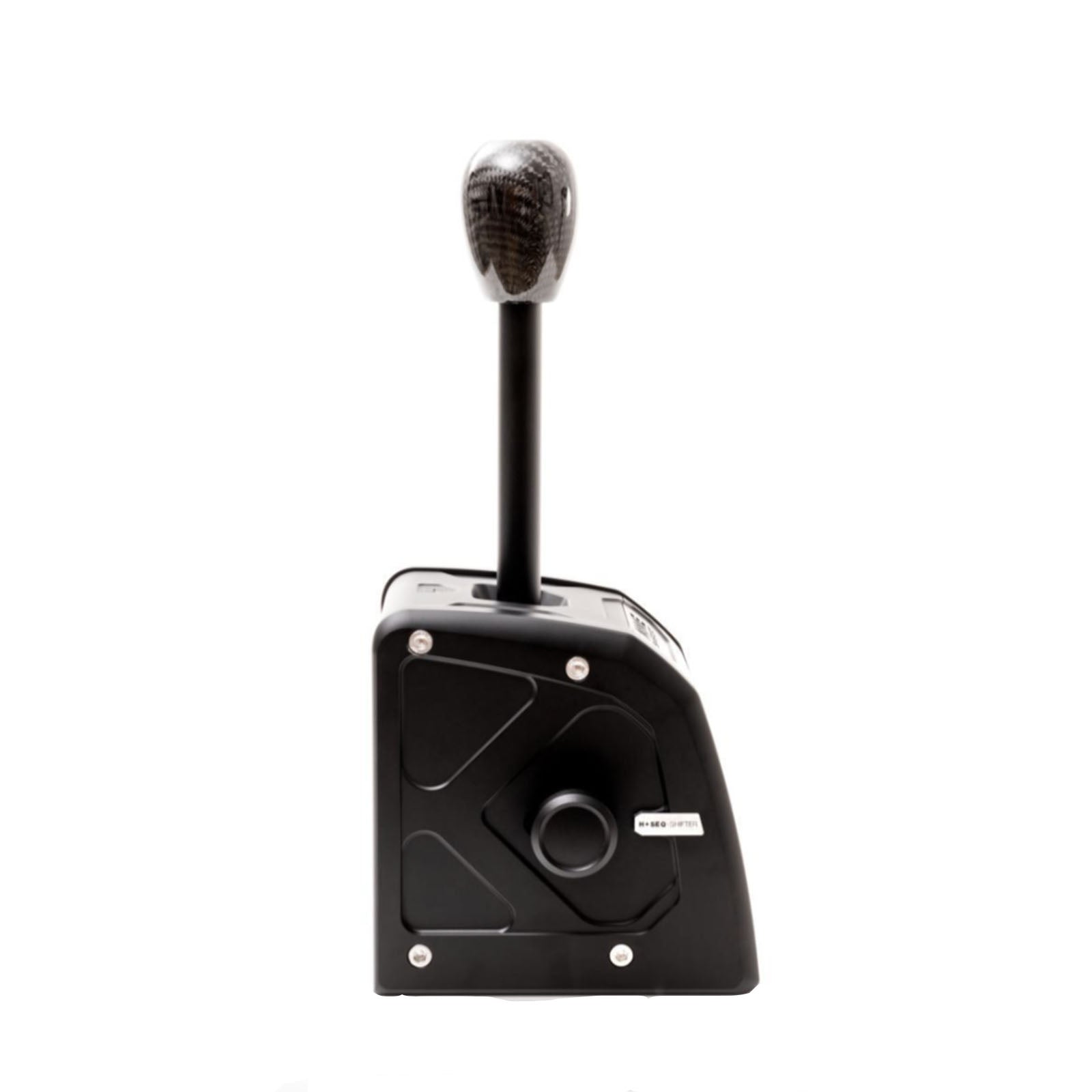
MME Motorsport H+ Sequential gearbox: My brief review
This gearbox brings a real leap in sensations: each gear becomes a clear physical gesture, with a mechanical feel that changes the way you ride. It makes sense for simracers already equipped with a rigid cockpit, who ride a lot in H or sequential and want a durable shifter rather than a short-term "pleasure" accessory.
When you buy through our links, we may earn an affiliate commission.
MME Motorsport H / +Sequential gearbox: test & full review
In the world of sim racing, serious shifters can be counted on the fingers of one hand. MME Motorsport's Boîte de vitesse H / +Sequential is clearly part of this restricted circle: a hybrid H + sequential shifter, in metal, designed for demanding simracers who want "mechanical" sensations close to a real racing car.
It promises two very clear things: near-industrial precision and sufficient robustness to withstand years of aggressive shifting. All without the hassle of complicated electronics or unnecessary gadgets.
The angle from which I evaluated it: mechanical feel, consistency of feel between H and sequential, build quality, everyday ergonomics and compatibility in a modern setup.
Simple positioning: this is a high-end, PC-oriented shifter, designed for enthusiasts who never want to go back to a "toy" model.
Design & manufacturing: tough, no-frills design
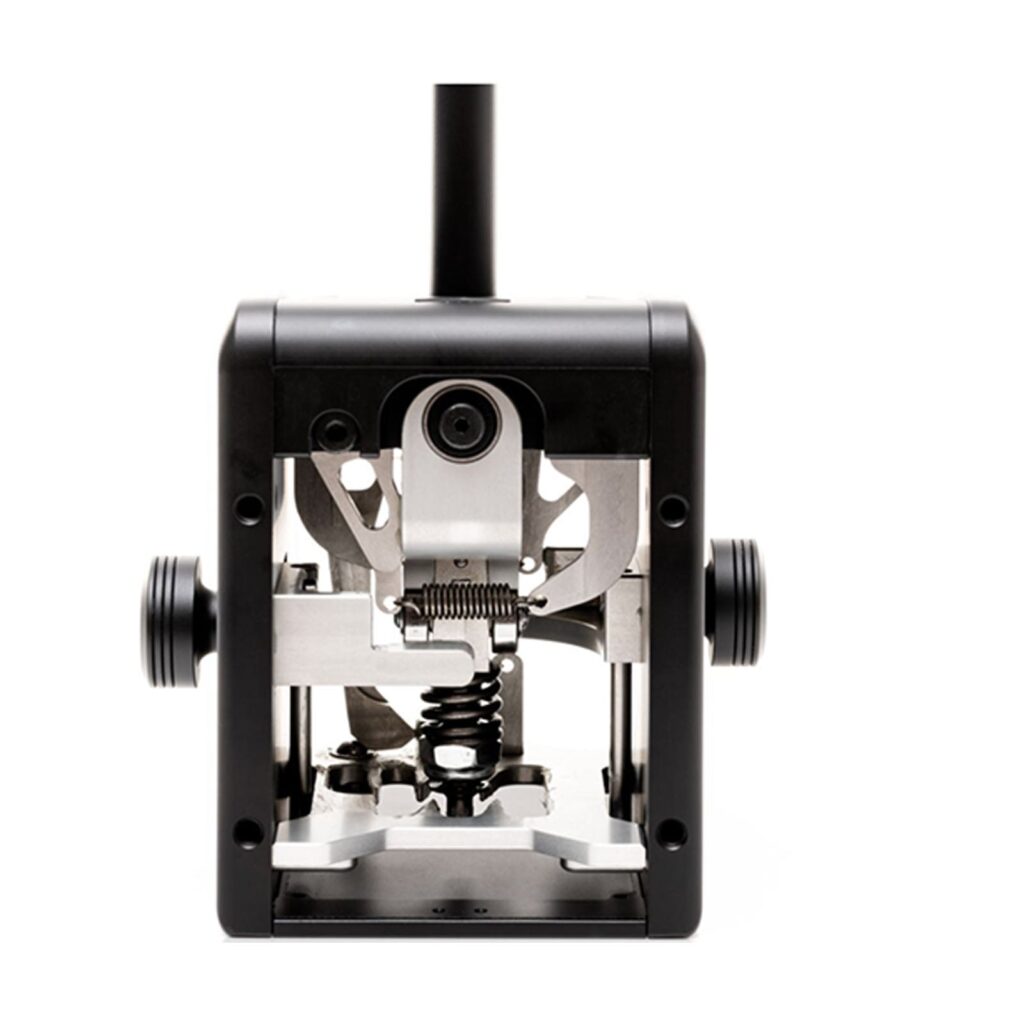
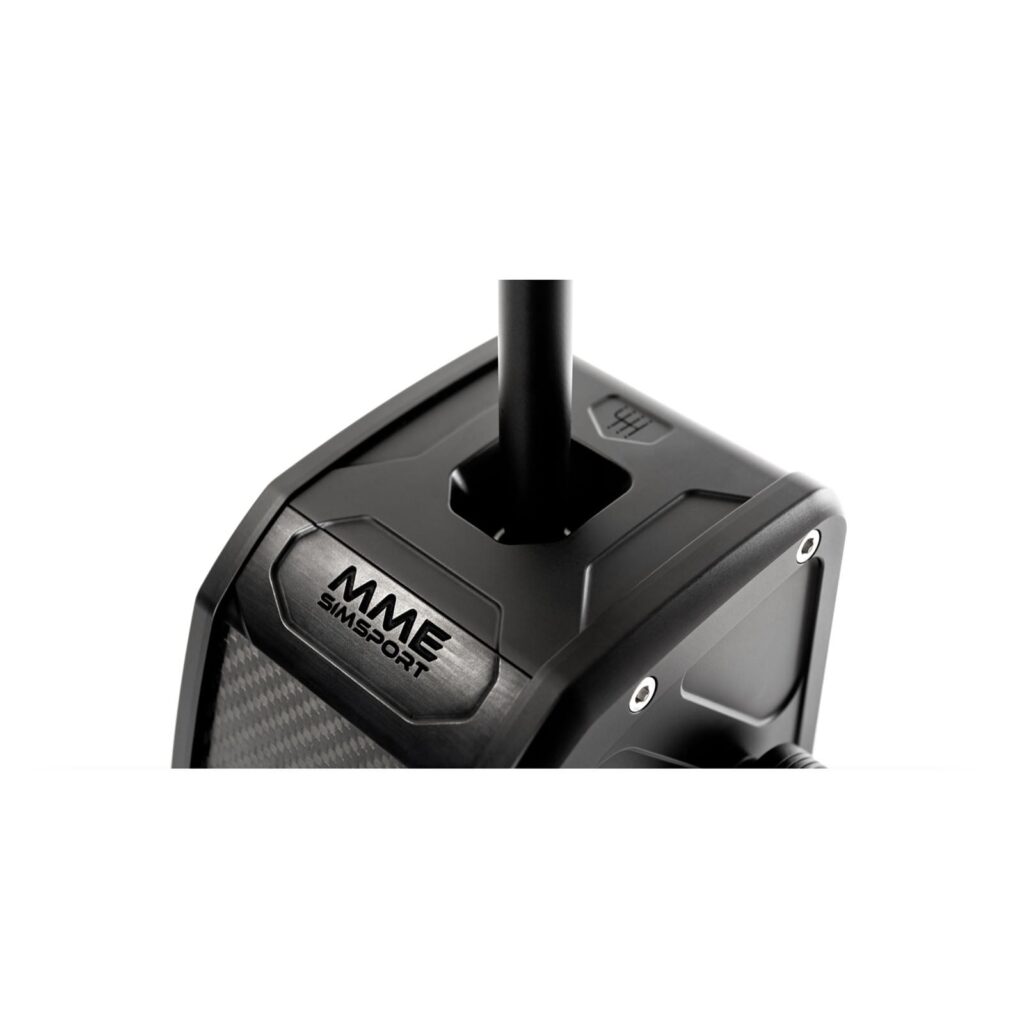
Upon unpacking, the first impression is very clear: this is a piece of engineering, not a gadget. Massive machined metal body, thick plates, serious screws and bolts, nothing sounds hollow. In hand, you immediately get that sensation of density and rigidity that gives you confidence.
The materials are industrial: aluminum or steel, depending on the part, with a raw or slightly satin finish, and no decorative plastic overlay. It's more "mechanical workshop" than "design object", and frankly, it's consistent with what a performance-oriented simracer is looking for.
You can feel that the product has been designed to be used hard, often and for a long time.
The lever itself gives real physical feedback: the travel is short to medium, guidance is crisp, and the H-locks are well marked. You don't float through the gates, you don't search for gears. You "catch" the speed. That's what makes all the difference when it comes to vintage cars, whether GT or rally.
Mechanical noises are present: a sharp click on engagement, a clean return, a slight metal resonance. For some, this will be ultra-pleasurable. For others, a little noisy depending on the environment (shared room, late-night play). A far cry from soft, silent shifters.
What may be slightly disappointing is the absence of "premium" design in the consumer product style: no integrated lighting, no textured plastics, no visual effects. It's cold, functional, almost raw. If you like the "racing garage" aesthetic, it's fine. If you're looking for a showcase object, it's less flattering than a more "marketed" shifter.
Compared to entry/mid-range shifters in plastic or light metal, the difference is clear: here, nothing flexes, nothing moves, the chassis doesn't bend when a gear is abused. It's easy to see why this type of product is often mounted on sturdy tubular cockpits.
Settings, customization & compatibility
The MME Motorsport H / +Sequential gearbox remains fairly simple in its philosophy: few software menus, a lot of mechanics. This is not a device that can be set via a complex software suite with ten profiles per set.
As a general rule, calibration is carried out on the PC like a standard peripheral, recognized as a shifter or as buttons depending on the mode. The really useful settings are more mechanical: lever hardness, spring preload (depending on version) and, of course, switching from H mode to sequential mode.
H/sequential shifting is one of this model's greatest assets. Switching from one mode to the other is done via a mechanical system designed to be relatively simple and reliable, without dismantling half the shifter. It's not something you change for every race, but for alternating rally / GT / touring, it's very practical.
The learning curve depends more on the user than on the product. Those used to realistic shifters will immediately feel at ease. Those who come from very soft models or steering wheel-mounted paddles will need a few sessions to integrate the force to be applied and the precision of the grid. But once you've got the hang of it, it becomes natural.
On PC, compatibility is very broad: the box is seen as a simple peripheral, and most serious simulators make it easy to assign each gear. On consoles, it's more nuanced: you generally have to go through a compatible base or adapter, and the experience can vary depending on the hardware/game combo.
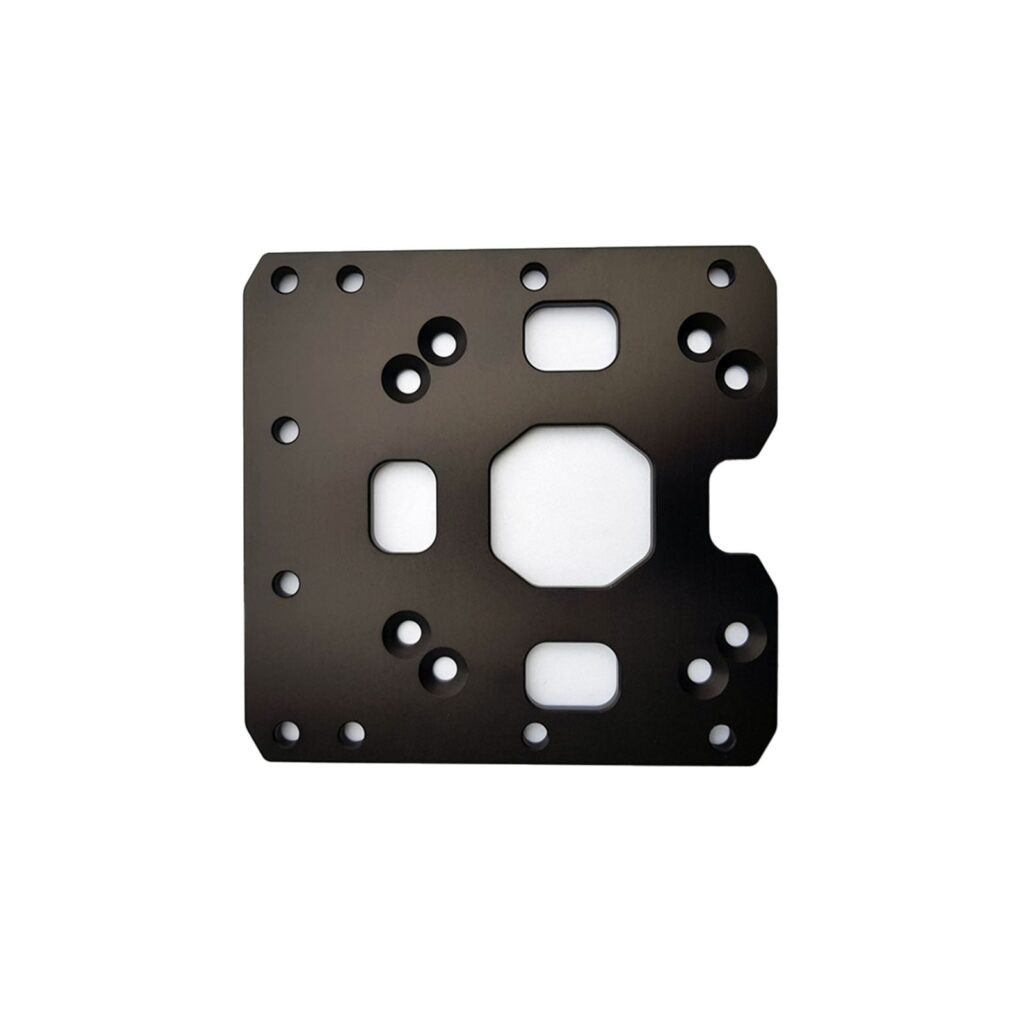
As for the rest of the set-up, the shifter integrates well into a rigid cockpit with aluminum sections or a steel frame. It can also be mounted on dedicated shifter mounts, but the rigidity of the assembly is crucial. Such a firm shifter on a light support will move, vibrate and spoil the experience.
In terms of upgradability, we're clearly talking about a product you can keep for a long time. It's not an entry point into sim racing, but rather a "durable" element of an advanced setup, which will be able to follow several generations of steering wheels and pedals without flinching.
Sensations in play: where it really makes a difference
Even if it's not an FFB steering wheel, the MME Motorsport gearbox plays a direct part in the overall "feedback". The feeling that rises in the arm when shifting gears, the locking, the resistance, all influence the way you drive.
The first thing that strikes you about H is the clarity of the locks. When you push in 3, you're in 3, period. When you downshift into 2, you physically feel the mechanical throat that grips the lever. You can feel exactly when the gear is engaged.
On vintage propulsion or touring cars, it clearly changes the engagement: you stop "clicking" buttons, you manipulate real mechanics.
You feel exactly what your hand is doing. You don't tinker, you pilot.
Lateral precision between lanes (1-2, 3-4, 5-6) is very good. The lever doesn't go diagonal by mistake if you have a fairly clean gesture. For aggressive heel & toe or heavy braking where everything moves in the cockpit, it's a great help in avoiding false gears. You can tap into it without fear of ending up in 4 instead of 2 due to lack of guidance.
In the cornering phases, especially in H, there's a clear impact on the pace: you anticipate gear changes more and really prepare for them. The mechanical resistance forces you to be a little cleaner, which ultimately stabilizes the car, especially in the trajs where you're on the edge of grip. It's more like driving a real car.
In sequential mode, the atmosphere changes. We lose the grid, and gain fairly firm front/rear impulses. Here, the emphasis is on speed of execution. A sharp snap to go up, another to go down, and you can link corner after corner without ever looking at the lever. For rallying, this is particularly satisfying: each shift becomes a clear physical action, with strong feedback in hand.
The steering wheel remains clean and legible, even when you're attacking, because physical damage is handled by that beefy box on the side. You shake the lever, not the wheel.
On vibrators and fast sequences, having a mechanical shifter instead of paddles brings back slightly forgotten riding reflexes. You manage mass transfer more effectively, and choose the right moment to go up or down a gear to avoid destabilizing the car. The consistency between the pedal/shifter/steering wheel feel really enhances immersion.
You can feel exactly what the tires are doing throughout the whole car, not just via the steering wheel.
Over long sessions, the consistency of the feeling is a real strength. The game doesn't start to play after an hour, and there's no feeling of sluggishness. Hardness remains stable, mechanical noise remains the same. On the other hand, it can be a little tiring if you're not used to having a firm lever. The arm works, especially in high-speed sequential mode.
Compared to a "softer" entry-level or mid-range shifter, the difference is clear: here, each gear change is a decisive, engaging action, requiring a minimum of intention. You don't spam the gears, you shift them.
Compared to an even more extreme shifter or 100 % competition, we're still on something playable for everyday use, not so punishing as to be unpleasant.
This is where the MME Motorsport gearbox really makes a difference: it transforms the role of the shifter from that of a cool accessory to a central element of riding.
Who's it for? What we like / don't like
From my point of view, this H / +Sequential gearbox is clearly aimed at intermediate to advanced simracers. Those who are already familiar with paddles and/or a lighter shifter, and who want to take a real step forward in terms of feel. For a complete beginner, it's possible, but it will be a big leap straight into "serious" riding, provided you already have a fairly rigid cockpit.
What we really appreciate is the mechanical realism of the feel: the crisp locks, the firmness of the lever, the sound of metal that gives the impression of handling a real racing gearbox. The dual H + sequential mode is also a huge advantage. You can switch from a classic GT to an aggressive rally or touring car without changing gear. Finally, the build quality gives a real sense of long-term investment: this is not a device you'll be replacing in a year's time.
The ratio of precision to comfort to versatility is clearly its strong point.
On the other hand, there are a few points to consider. First, noise: in a quiet environment, or if you're sharing a room, the repeated "clacking" can be annoying. It's not extreme, but it has nothing to do with a highly damped shifter. Secondly, the firmness can be surprising at first, especially for those coming from mainstream products. You have to accept a little force, otherwise the product loses its appeal. Finally, the price/segment positioning reserves it for those who are prepared to invest seriously in their setup. It's consistent with quality, but it's not an impulse buy.
In terms of perceived value, everything depends on the rest of the setup. If you're already riding with a good crankset, a strong steering wheel and a rigid cockpit, this shifter makes sense and completes the package. If you're still on an entry-level desk and steering wheel, this investment is likely to be "too much" in relation to the rest, and the difference will be less exploited.
Verdict: a true enthusiast's shifter
What the MME Motorsport H / +Sequential gearbox really changes in a setup is the place of the shifter in the driving experience. It's no longer simply a means of entering a command into the game, but a major physical element of the experience. Each shift becomes a precise gesture, with a mechanical feedback that gives character to the virtual car.
On the market, this is clearly a top-of-the-range, performance-oriented product, above and beyond consumer shifters, but with a more "industrial" approach than some ultra-luxury models. It's an assertive niche product, for those who want to get closer to the sensations of a real racing car or a vintage sports car.
I'd recommend it without hesitation to PC simracers who drive a lot of H-pattern cars, rally or aggressive touring, and who already have a solid cockpit. For a casual gamer who drives mostly pallets, on console, with a light setup, it's not the most logical choice, nor the most cost-effective.
If you're looking for a very solid H + sequential shifter with a straightforward, long-lasting mechanical feel, this MME Motorsport gearbox can clearly make the difference in your setup.


Reviews