
Asetek La Prima Wheelbase (12Nm) : Test & Review | What it's really worth in 2026
Asetek La Prima Wheelbase (12Nm): My brief review
This La Prima gave me the sensation of moving from a simple game wheel to a real driving tool, with clear, consistent feedback that boosts confidence on the track. It's aimed above all at motivated PC sim racers, already equipped with a rigid cockpit or ready to upgrade. The whole package offers a solid, durable base, relevant as a core setup for the long term.
When you buy through our links, we may earn an affiliate commission.
Asetek La Prima Wheelbase (12 Nm): test & full review
Asetek's La Prima Wheelbase enters a hotly contested segment: the "accessible" direct drive, around 10-12 Nm, designed for sim racers who want to make a real breakthrough without tipping over into the very high-end. On paper, this base promises sufficient torque for demanding users, a serious finish and an ecosystem that Asetek is in the process of building.
What makes Asetek so appealing is its pivotal positioning: powerful enough to run GT, single-seater and rally cars in a credible manner, but still "manageable" for a first direct drive. Asetek is also banking on its purely performance-oriented brand image, with an emphasis on feel, rigidity and range consistency.
My angle of analysis revolves around three points: the quality of the force feedback (finesse + power), the ease of handling for someone coming from a belt-and-gear steering wheel, and the relevance of this base as the foundation of an evolving setup. The objective is simple: to see if this La Prima offers a real plus on the track, or if it's just another alternative in an already dense offer.
Design and manufacturing
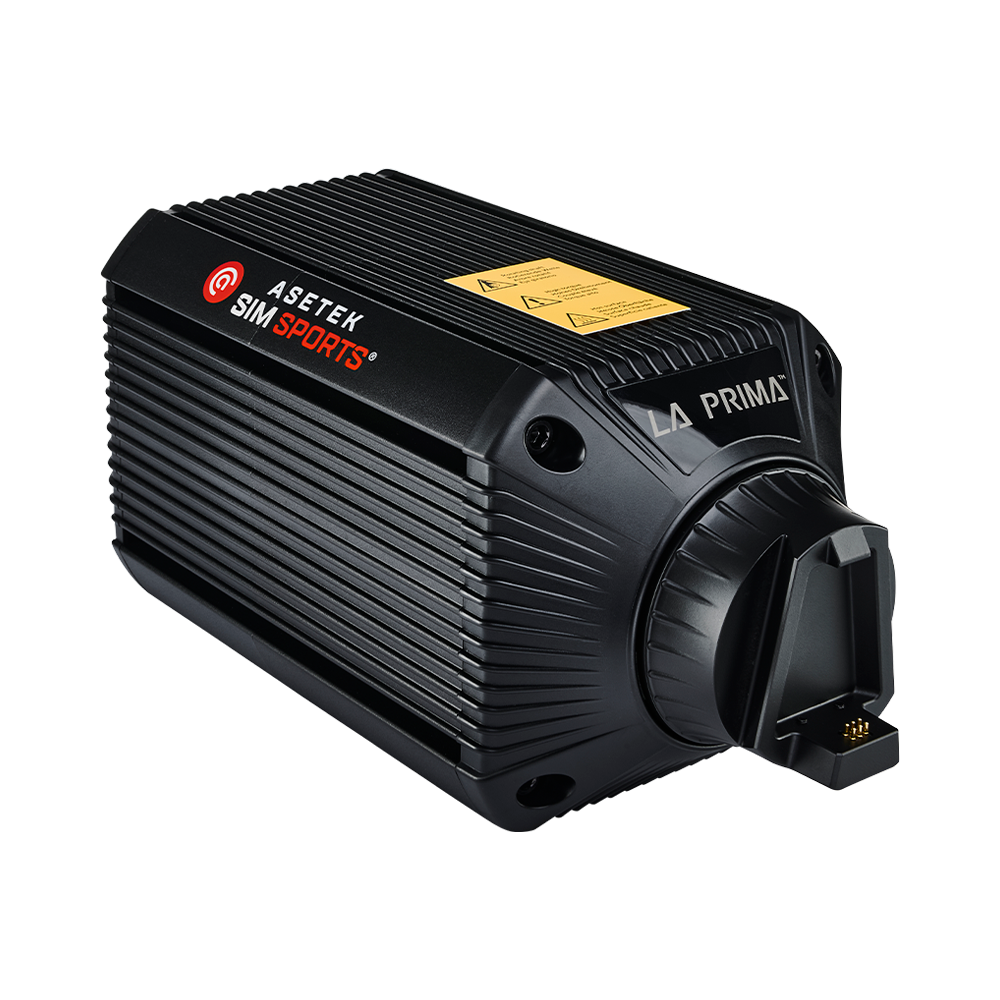
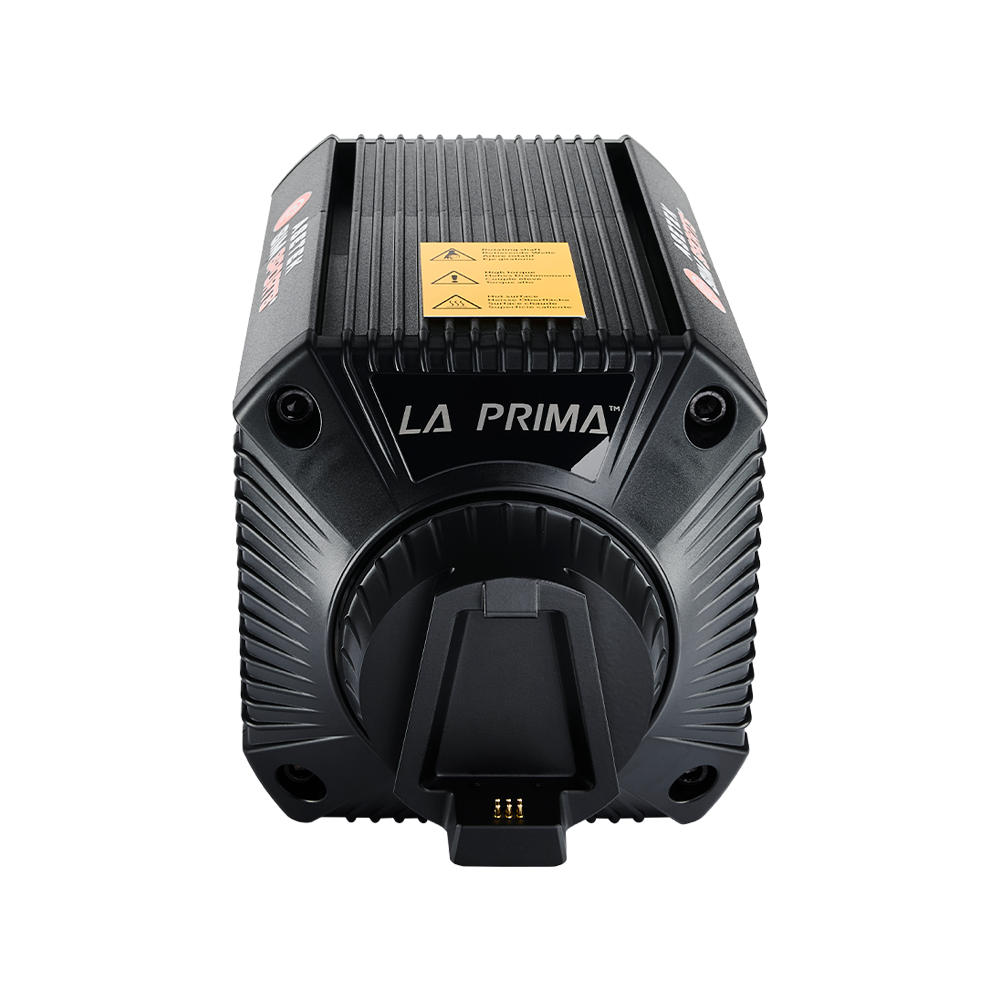
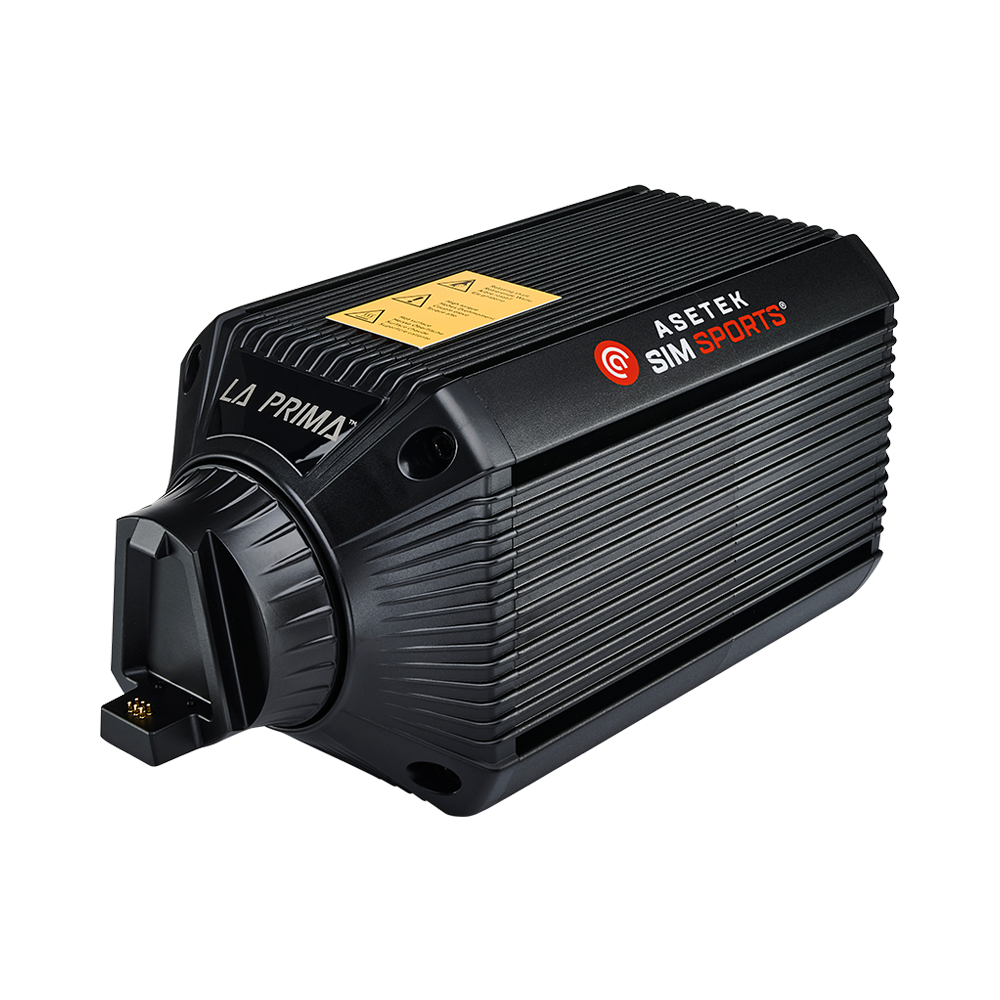
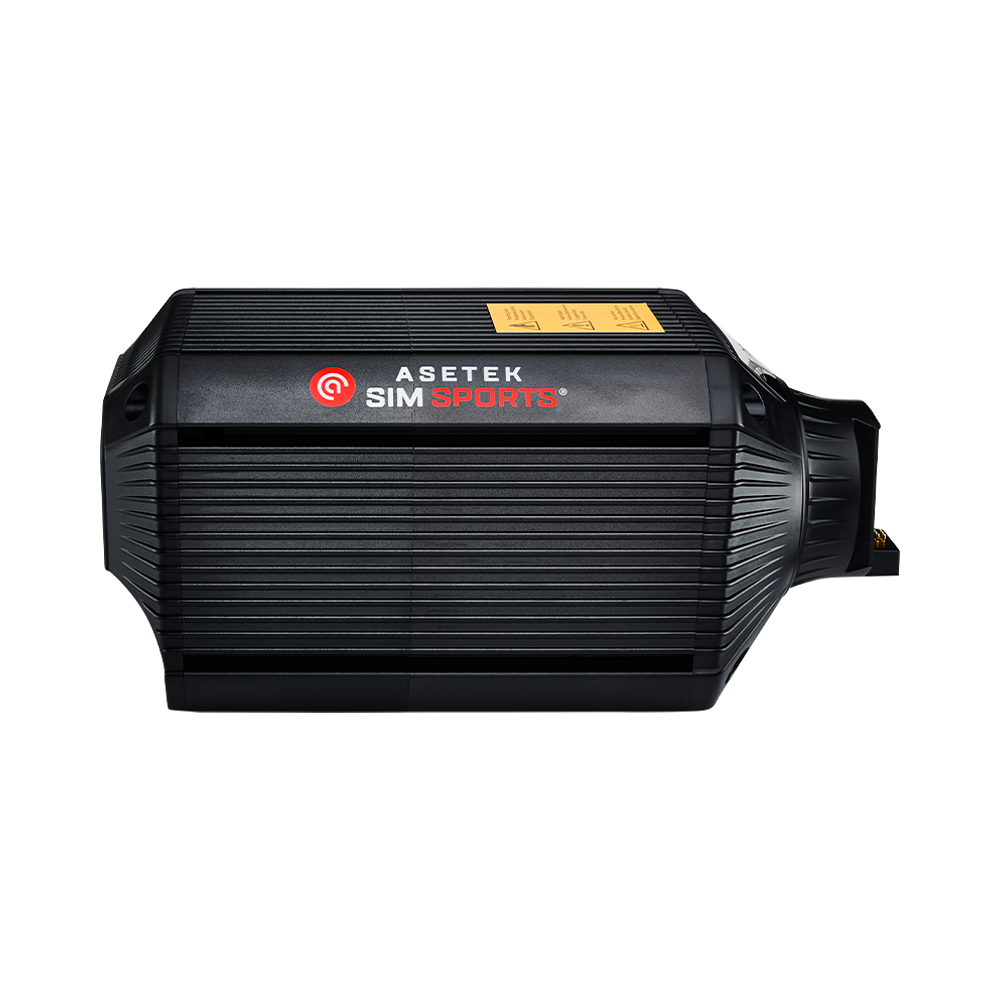
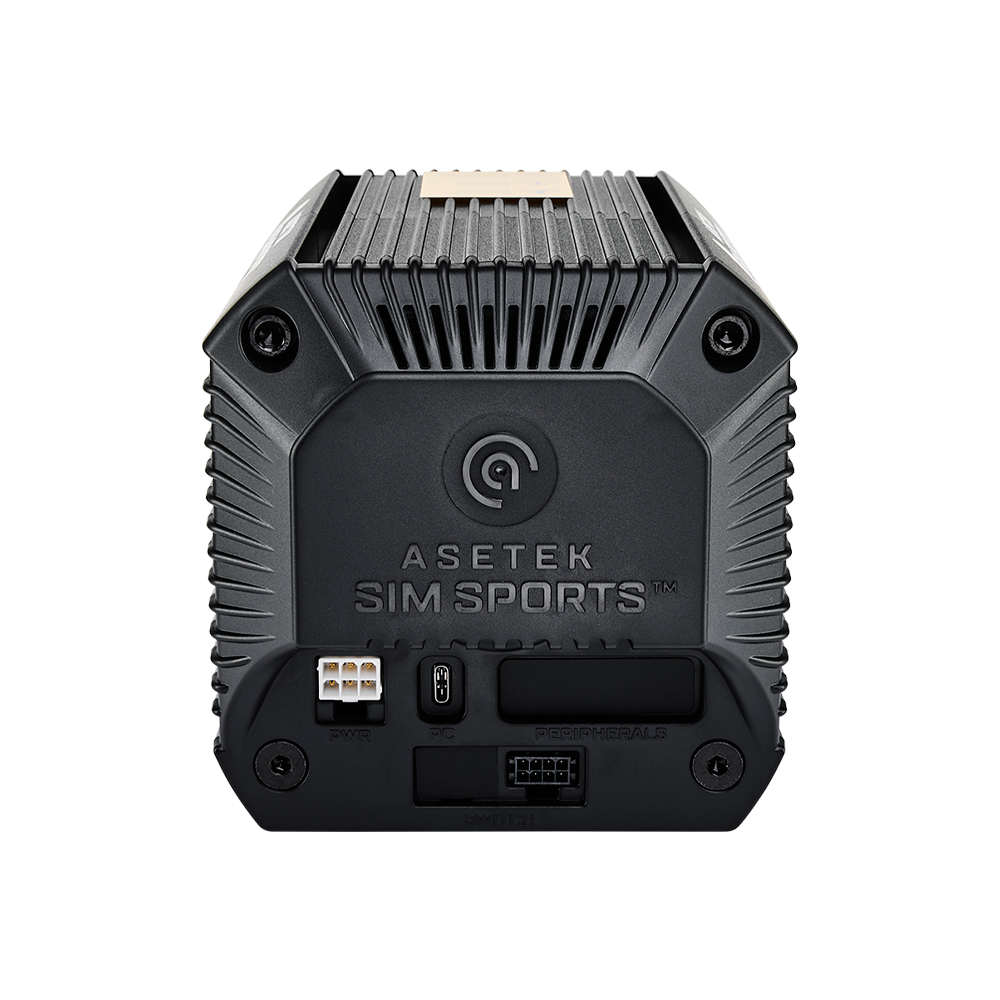
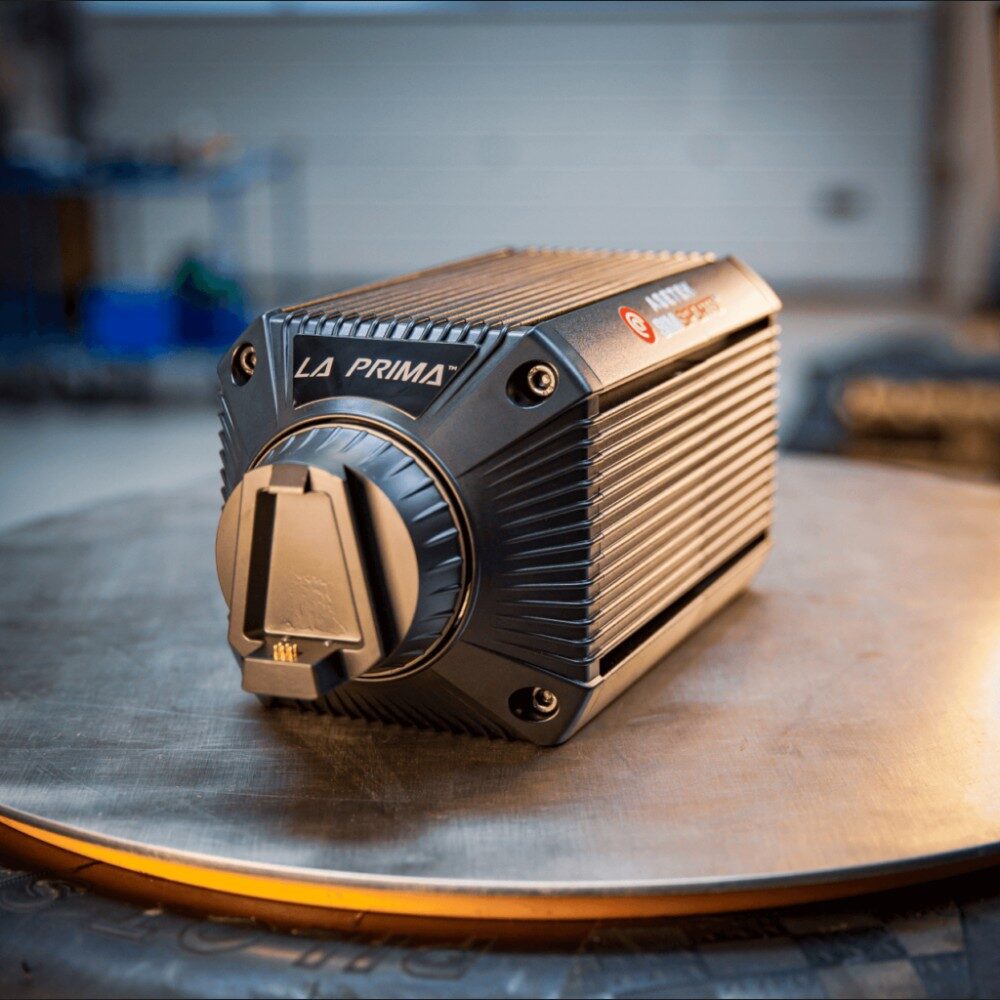
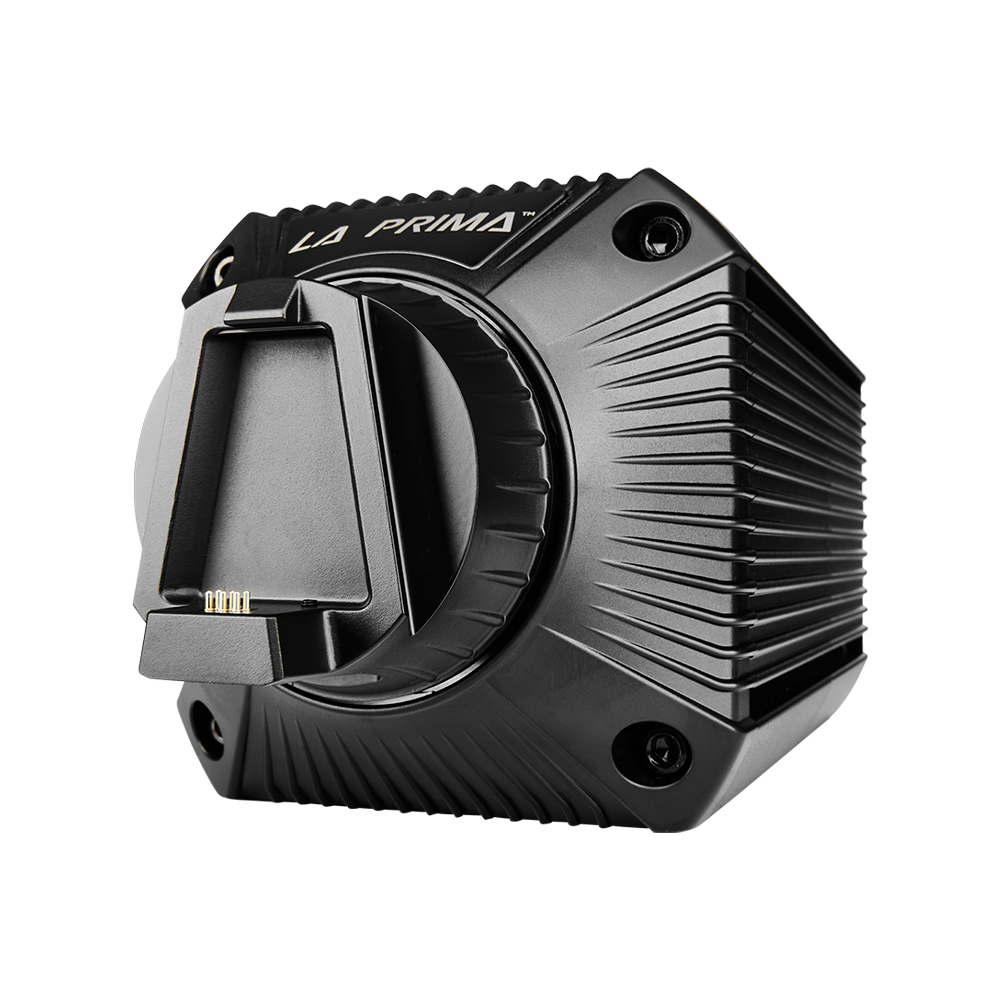
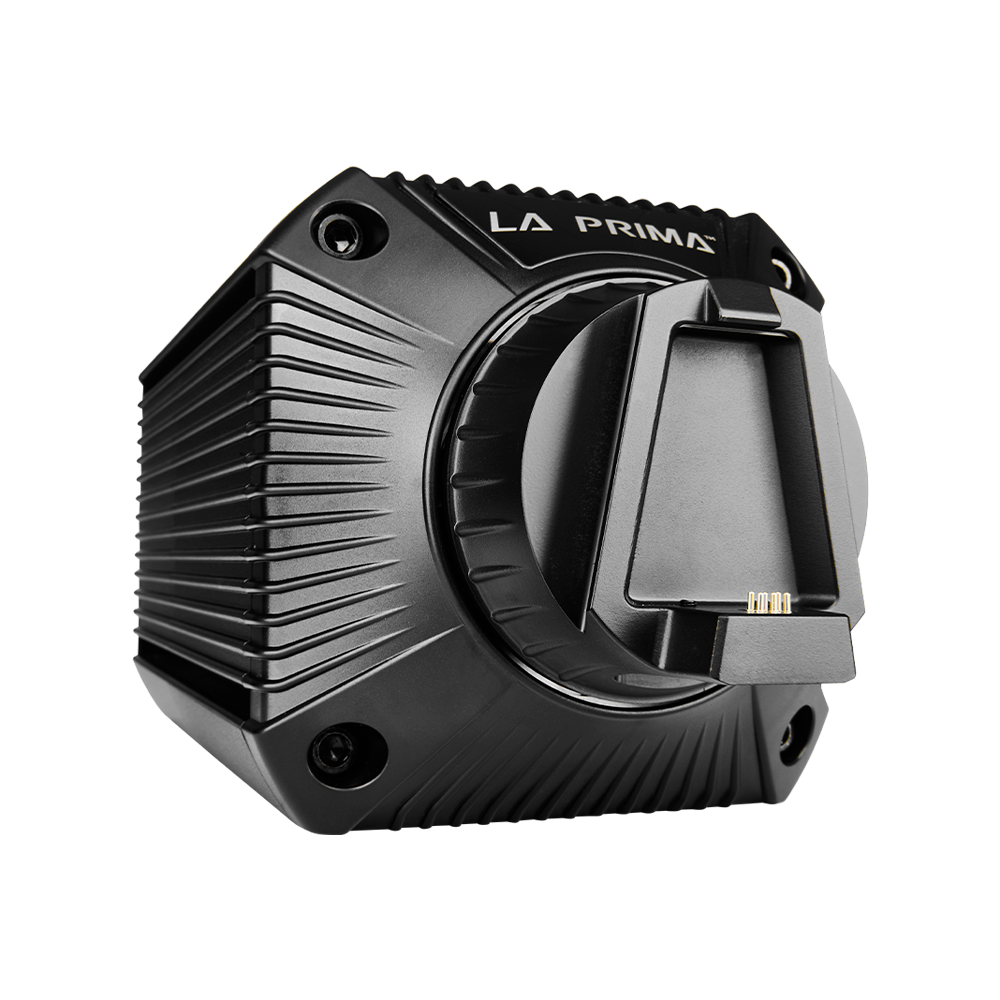
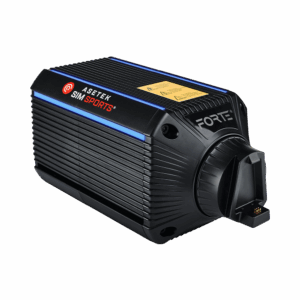
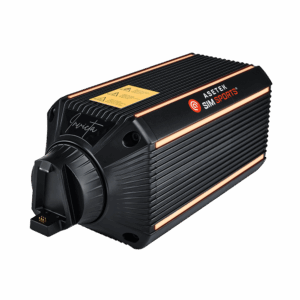
Visually, the La Prima Wheelbase exudes seriousness. The metal chassis, with its angular, compact look, gives the impression of a monolithic block. In hand, the base has a reassuring density: nothing sounds hollow, nothing moves when you handle it. You immediately get the impression of a product designed to take the strain, not a "repackaged" box.
The finish is clean, with well-machined edges and precise assembly. Surfaces inspire confidence, without trying to be flashy. The design is functional, almost industrial, but blends in well with a cockpit. Once fixed in place, the base doesn't flex, even at high torque: rigidity is clearly a strong point. This is where Asetek's philosophy comes into play: it's better to have a compact, highly rigid unit than a big, flimsy one.
What's surprising is the impression of a "serious" product right from unpacking. The direct drive motor seems correctly sized for 12 Nm, without being excessive, and the whole thing feels more like a tool than a gadget. This is a far cry from entry-level plastic or semi-plastic bases.
On the other hand, some details may be a little disappointing, depending on expectations. The design remains rather sober, even cold, for those who like lighting effects or a more "gaming" style. We also feel that we're not on the level of visual refinement of a very high-end product: the finishes are clean, but not luxurious. Compared with other bases of comparable power, perceived quality is at the top end of the range in terms of solidity, and a little more neutral in terms of aesthetic "wow effect".
Settings, customization and compatibility
On the software side, Asetek has opted for a clear interface with well-organized settings. There are the classics: overall force, filter, friction, damper, inertia, and a few options for fine-tuning the feel of different types of car. The menus are clear enough for intermediate users to find their way around quickly, without needing to delve into a technical manual.
The presets provided for certain types of cars or simulations provide a good starting point. They're not perfect, but they allow you to understand quite quickly what each parameter modifies. For my part, I found the learning curve reasonable: a few sessions are enough to get a coherent feel, especially if you vaguely know what you're looking for (more detail in bumps, less filter, etc.). For a total beginner in direct drive, there's bound to be an adjustment phase, but nothing to get stuck into.
The really useful settings are those that play on the sharpness of the feedback and the management of torque peaks. The La Prima allows you to soften the behavior without killing the information, or on the contrary to make it more raw and direct. It can be made very docile for more casual use, or more lively for sim racers who like to feel every loss of grip.
The base is PC-oriented, like most products in this segment. Console compatibility will depend on the wheels and ecosystem chosen, and this is clearly not its main strength. We feel that the primary target is PC users with a solid cockpit.
As for the ecosystem, Asetek obviously offers its own flywheels, cranksets and accessories, with a clear line logic. The base blends in well with these components, and the fastening/quick-release system is designed to be rigid and easy to use. Compatibility with other components (cranksets, shifters) via USB is still possible via PC, but this is a world designed primarily to remain "in the family". In terms of upgradeability, the La Prima clearly plays the role of entry point into the Asetek ecosystem, but it's also a base that can accompany a sim racer over the long term without being outdated in a few months.
Sensations in play
It's on the virtual track that the La Prima Wheelbase shows what it can do. At 12 Nm, we're in a very pleasant power zone: muscular enough to offer a real physical commitment, but without becoming tiring after a few laps, if the settings are right. The torque available allows for crisp effects, marked changes in pressure and frank reactions in the event of loss of control.
The FFB's precision is one of the most striking features. The base transmits load variations to the front axle in a legible manner, with a well-maintained center. The steering is firm and responsive, and micro-corrections are made naturally. You immediately understand what the car is doing. This is particularly appreciated on very stiff single-seaters or GTs, where every little transfer of mass counts.
Cornering behavior is sound. You can clearly feel the build-up of effort as grip increases, then the slight easing as you start to go over the limit. This transition between grip and glide is quite gradual, which helps enormously in anticipating loss of control. Compared with a belt-driven base, we gain in immediacy: effort variations are more direct, less "rounded".
Grip reading is generally very good for this category. You can feel the beginnings of understeer, small losses of rear grip and chassis balance corrections. On degraded tracks or with worn tires, you can feel the deterioration in handling, which boosts confidence. This is where the base really changes the experience, especially when you come from a more basic system.
Vibrators are well rendered, with a dry but not unpleasant feel if the filters are set correctly. You can feel the difference between a flat vibrator that you can "eat" and an aggressive vibrator that disturbs the car. The base has enough punch to get the information across, without saturating. On the big vibrators of urban circuits or certain aggressive tracks, you can choose to smooth things out slightly to avoid the session becoming too physical.
Over long sessions, consistency is good. Torque doesn't weaken, the base doesn't feel so hot as to alter the feel, and the return remains stable. Fatigue will depend mainly on the settings chosen: at full power, on a very rigid cockpit, it can become sporty, but if you stay within a range of 60-80 % of maximum force, you'll find a good compromise between immersion and comfort.
In fast corrections, the engine's responsiveness makes all the difference. Countersteering, oversteering and quick changes of direction are more controllable than with a less powerful or more filtered base. The wheel comes back into place cleanly, with no perceptible latency, and you can really "work" the car to the limit. On rallies and very nervous cars, this aspect brings a real gain in control.
Compared with a less powerful base (typically around 5-8 Nm), the main sensation is reserve. There's plenty of headroom before saturation. Big presses, compressions and impacts are more distinct, not just a "wall" of force. Compared to a more powerful base (20 Nm or more), you lose a little in pure brutality and ultimate margin, but you often gain in setting comfort. The La Prima is positioned as a sweet spot for many sim racers: enough strength to take direct drive seriously, without tipping over into extreme physical demands.
All in all, immersion is solid: you feel connected to the track, information comes through clearly, and you quickly gain the confidence to attack harder. The steering wheel becomes a real driving tool, not just a gaming device.
Who's it for? What we like / What we don't like
The La Prima Wheelbase is clearly aimed at the motivated sim racer, whether intermediate or progressing, who wants to go beyond or has already gone beyond the entry-level steering wheel. It's the perfect base for a PC gamer with a rigid cockpit and the desire to drive regularly, whether in GT, single-seater or rally. A highly motivated beginner may also find it an excellent starting point, provided he accepts a short learning curve and invests in a stable setup.
What I particularly appreciate is the overall rigidity of the system, the quality of the force feedback and the clarity of the information transmitted. The base gives a clean, predictable feel, without excessive parasitic noise. It also manages to deliver good, usable power without imposing ultra-complex settings: a very good result can be achieved with a few simple adjustments. In terms of perceived quality, we also get the impression of a product designed to last, and to fit into a coherent ecosystem.
As far as limitations are concerned, Asetek's very PC and ecosystem-oriented positioning somewhat reduces flexibility for those looking for a simple multi-platform solution or who like to mix brands. Some may find the aesthetics a little lacking in personality, especially if you like very "show-off" bases. Finally, at 12 Nm, it's not a torque monster either: purists who absolutely want 20 Nm and more may find the base a little "wise", even if, in practice, most sim racers will never go for more power.
In terms of investment, La Prima is clearly a product to be considered over the long term. It's not an impulse buy, it's a core setup component. The perceived value will depend very much on your level of commitment to sim racing: for someone who rides often, the difference in feel compared to an entry-level wheel more than justifies the leap. For a very occasional player, the investment may seem harder to recoup.
Verdict
The Asetek La Prima Wheelbase (12 Nm) brings a real change to a setup intended for serious sim racing. It transforms a "decent" set-up into a credible driving tool, with sufficiently powerful and precise force feedback to work the car to the limit. We're clearly approaching the sensations of advanced mid-range equipment, or even the entry-level on certain aspects of feel and rigidity.
On the market, it's a pivotal solution: more ambitious than an entry-level direct drive, but less extreme and less expensive than very powerful bases. Its strength lies in the balance between performance, ease of use and build quality. It's not the ideal choice if you absolutely must have simple console compatibility, or if you're looking for raw power above all else. On the other hand, for a PC sim racer who wants a solid, upgradeable base compatible with a structured ecosystem, it ticks a lot of boxes.
If you're looking for a serious direct-drive base, capable of providing a big gain in feel without becoming unmanageable on a daily basis, this product can clearly make the difference in your setup.



Reviews