
Fanatec Gran Turismo DD Pro Wheel Base (8 Nm) : Test & Review | What it's really worth in 2026
Fanatec Gran Turismo DD Pro Wheel Base (8 Nm): My brief review
Above all, this DD has given me a much clearer reading of the car's grip and reactions, which really changes the way I drive and progress. It makes sense for motivated console or PC players, coming from a belt-driven steering wheel, who want a real step up without going to the very top of the range. The whole package remains coherent and durable for serious use.
When you buy through our links, we may earn an affiliate commission.
Fanatec Gran Turismo DD Pro (8 Nm): my opinion after intensive use
In the world of consumer sim racing, the Fanatec Gran Turismo DD Pro (8 Nm) is in a class of its own. It's a Direct Drive base officially stamped Gran Turismo, designed for console and PC gamers who want to make a real breakthrough without sinking into the very high-end niche.
On paper, this base promises clean, powerful yet controllable force feedback, with the precision of Direct Drive and the versatility of a "GT-licensed" product. In short: a bridge between the mid-range belt-driven flywheel and the brute force monsters reserved for heavy setups.
My angle is simple: does this base really change the way you ride, in terms of feel, control and consistency? And above all, is the 8 Nm enough to offer a "serious" experience without becoming tiring or too demanding on the cockpit and the pilot?
Design and construction: serious, compact, no-nonsense
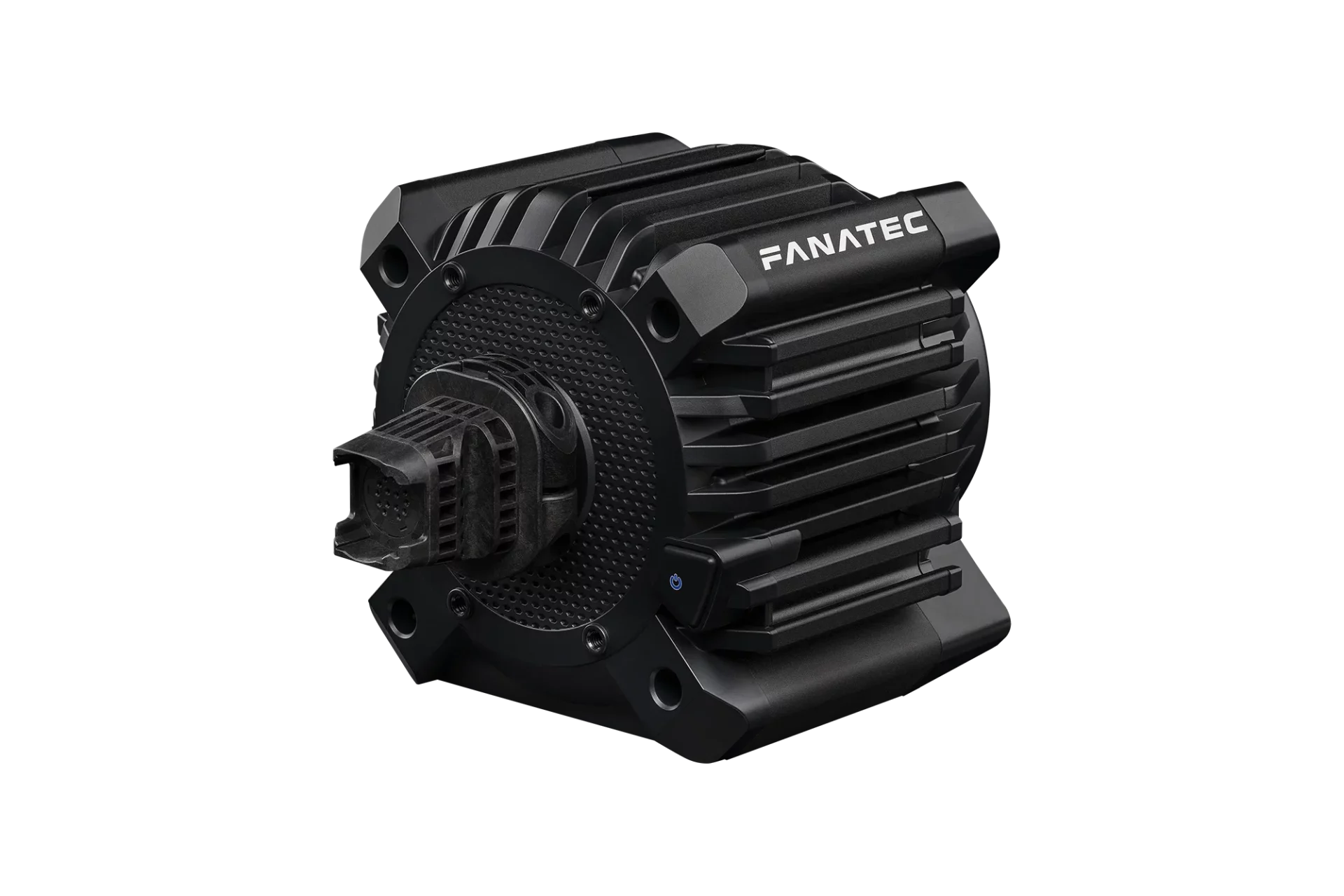
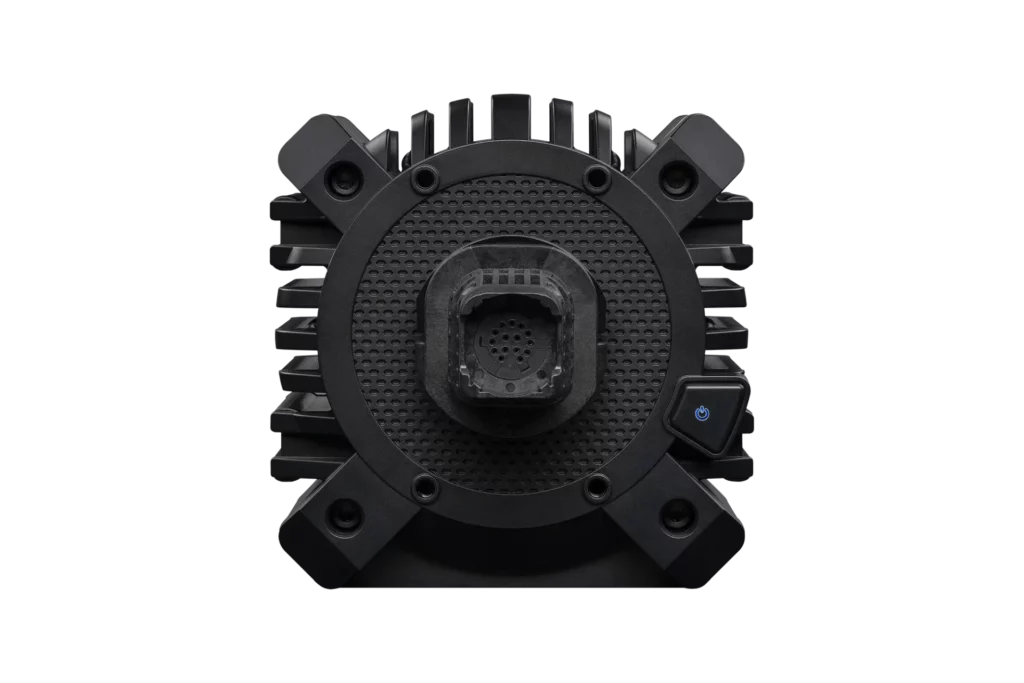
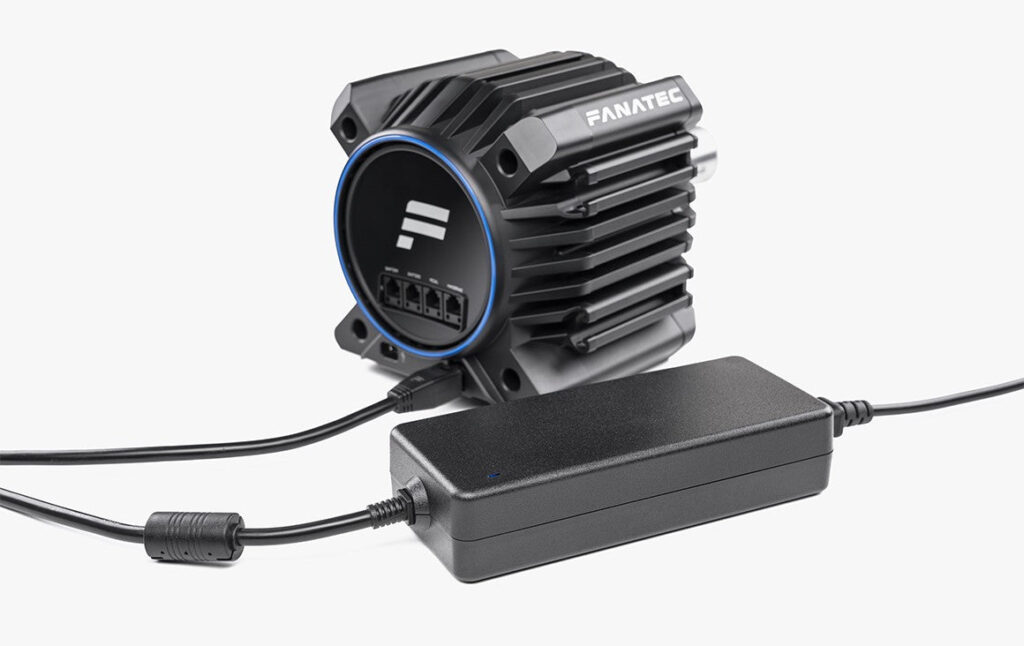
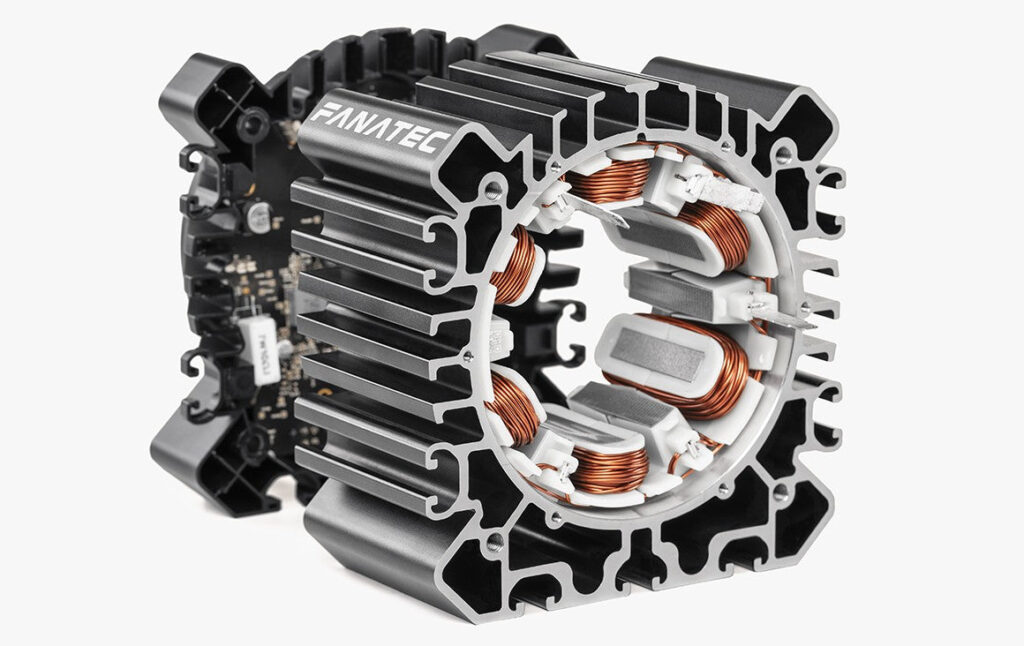
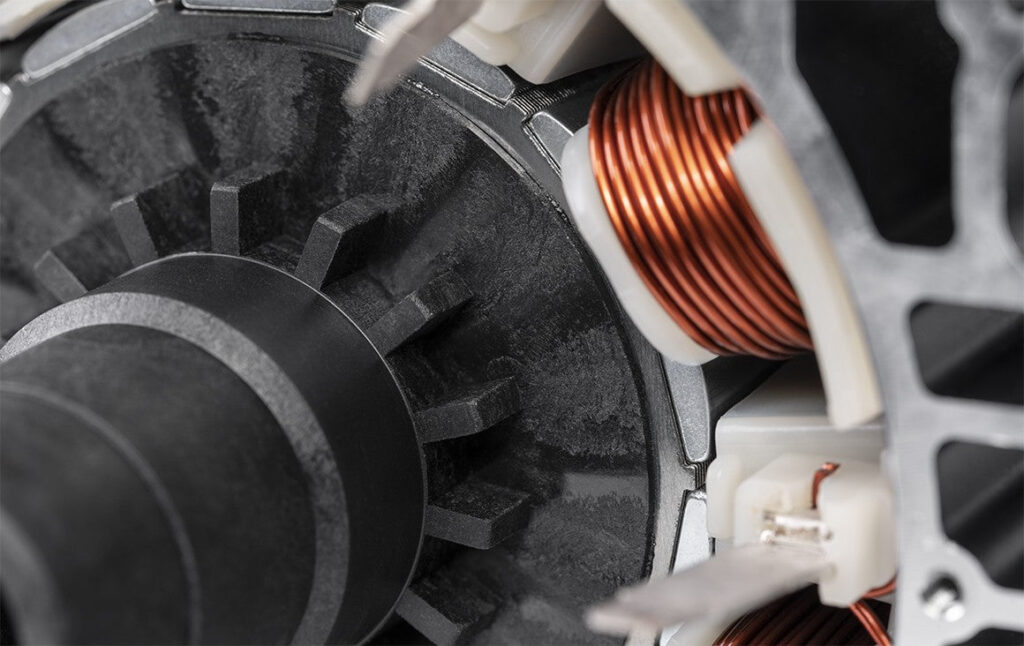
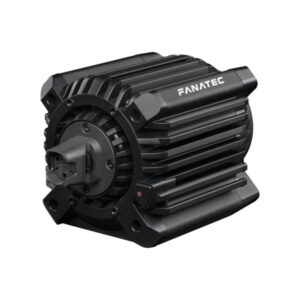
Visually, the Gran Turismo DD Pro remains very sober. A compact, metal-dominated block, with a few touches of plastic where it makes sense (connectors, finishes). In hand, the base gives a clear impression of density and rigidity. Nothing moves, nothing feels hollow, this is a solid chassis that inspires confidence.
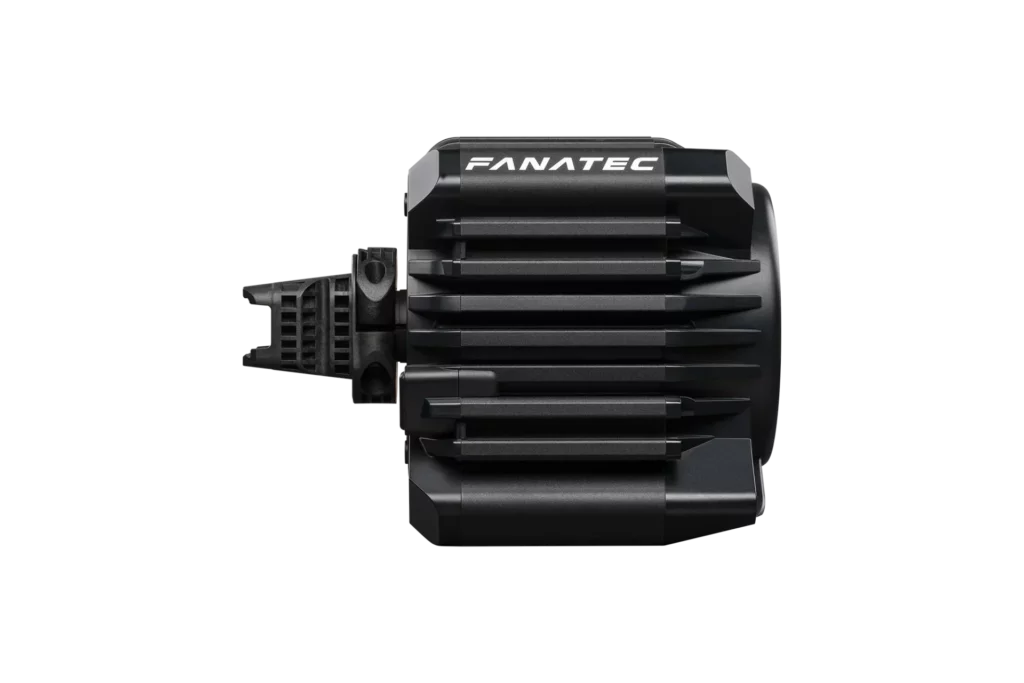
What's immediately striking is how compact the Direct Drive base is. It's clear that Fanatec has thought about players who don't all have massive tubular cockpits. The base can be mounted on a mid-range cockpit or a properly reinforced desk, as long as care is taken with the fastening. For a power announced at 8 Nm, this is rather reassuring.
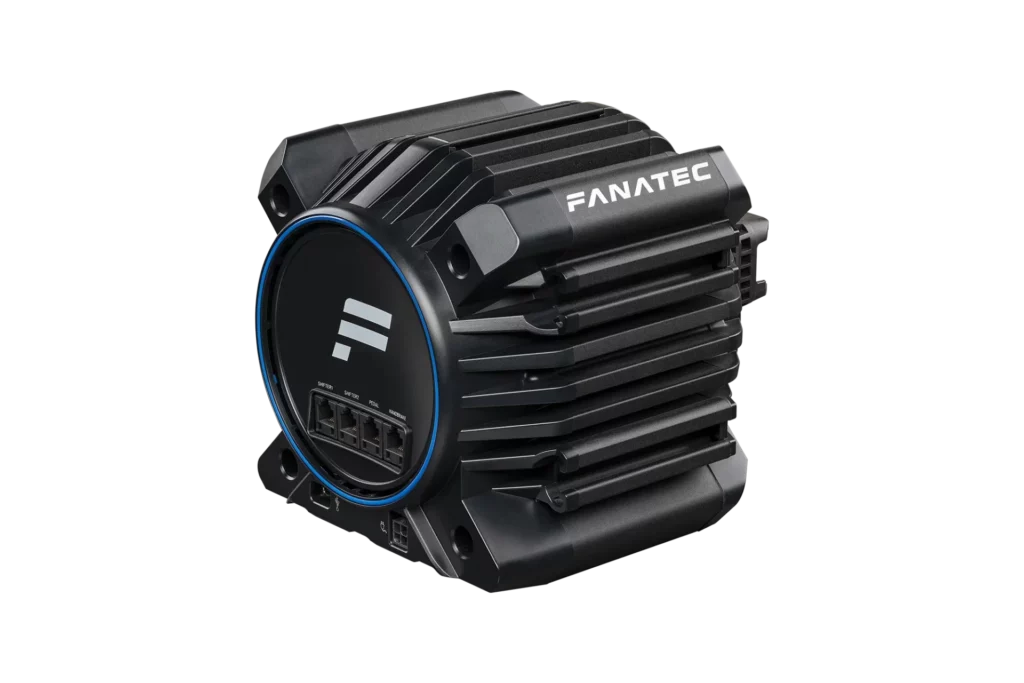
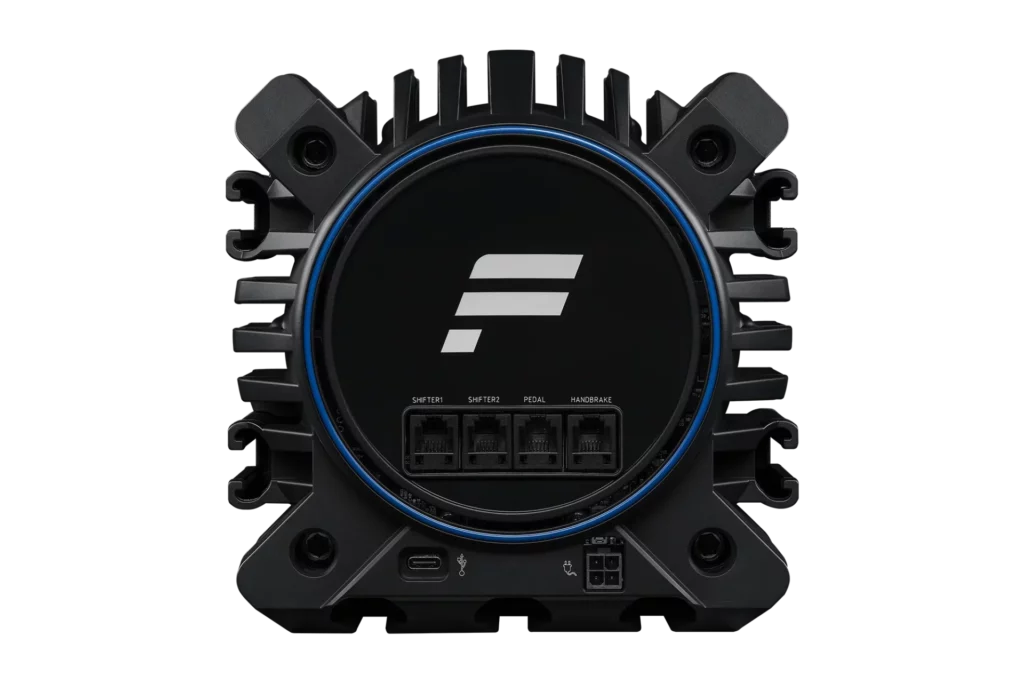
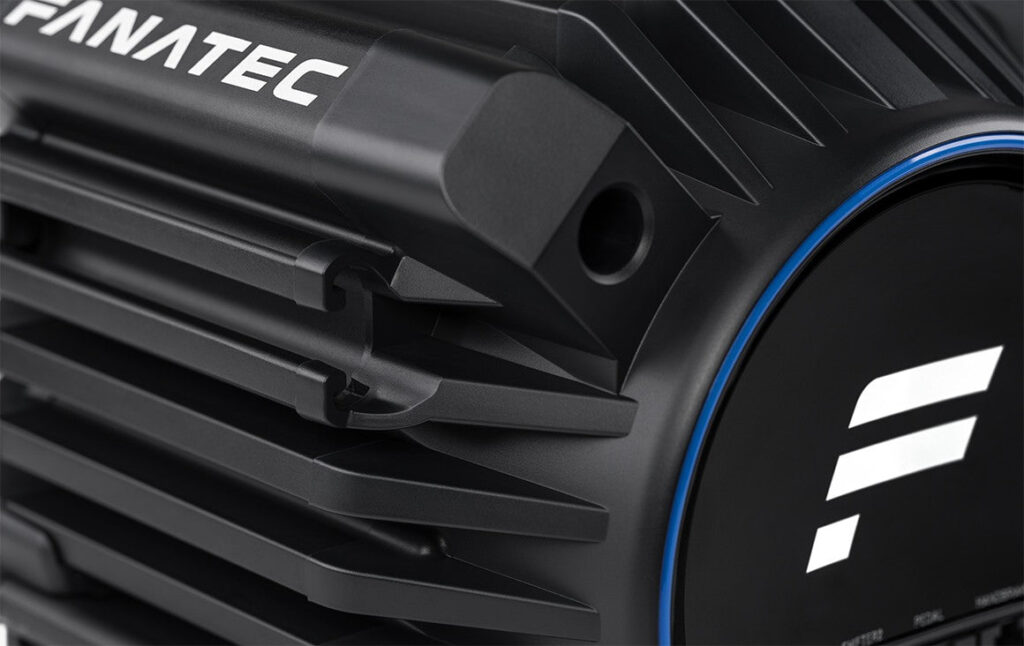
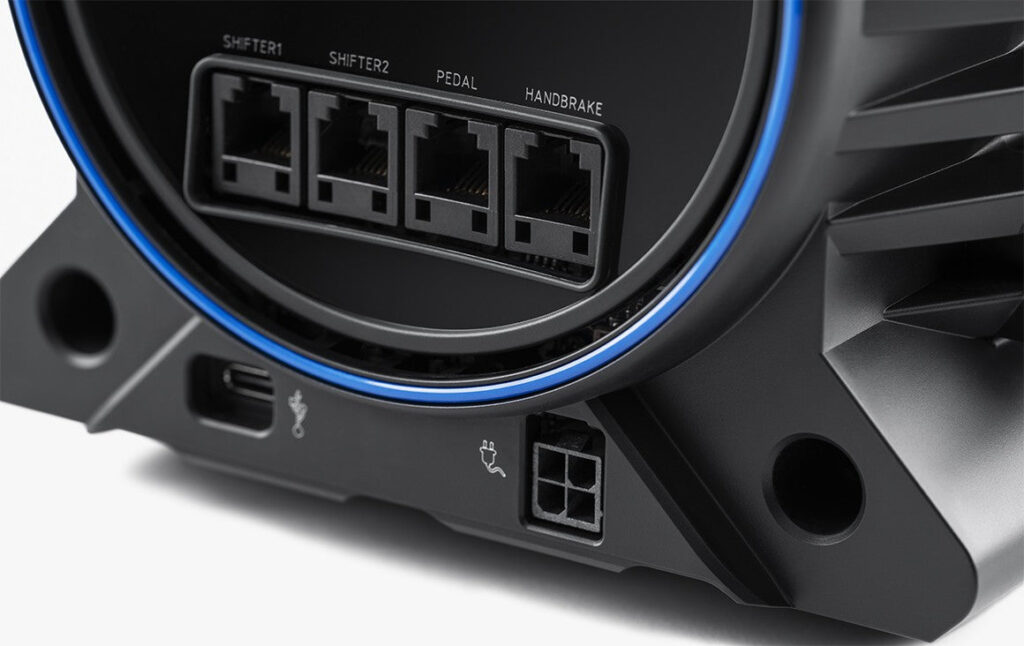
The surfaces are well finished, the edges clean, the screws and fixing points serious. The rear ports are clearly identified, and the overall impression is not that of a prototype, but of a mature, industrialized product.
Where it disappoints slightly is in certain aesthetic details. It's not up to the level of some of the higher-end all-aluminium machined blocks. There's more of a "functional electronics box" feel than a "piece of jewelry". Nothing to worry about in use, but those who like ultra-premium visuals will feel it.
Compared to an equivalent belt-driven base, the perceived solidity of the engine block itself is clearly a step up. On the other hand, we're still under the massive aura of some competition Direct Drives, which are heavier, more imposing and more "indestructible". The DD Pro strikes a balance between compactness, rigidity and price, and it shows.
Settings, customization and compatibility: a reassuring ecosystem
In terms of settings, Gran Turismo DD Pro relies on the Fanatec ecosystem. On the PC, you have access to a complete panel for adjusting force, linearity, filters, friction, road feel effects and more. On console, options are more limited, but still more than sufficient to adapt the base to your driving style.
The built-in presets help a lot. You can start with a GT, F1 or more "arcade" setting and then refine what really counts: overall level of force, damping, natural friction. The learning curve is reasonable. You can ride in a few minutes with a very correct "plug and play" setting, then refine it over the course of sessions, without having to become an FFB engineer.
The really useful settings, in my opinion, are the max force adapted to your cockpit and physical condition, the smoothing filter to reduce parasitic micro-vibrations without killing details, and a slight friction to stabilize the steering wheel in a straight line. Everything else is a bonus for those obsessed with feeling.
In terms of compatibility, the base is clearly aimed at console and PC gamers who want a single setup for everything. Support for the main home consoles is provided via the Gran Turismo license, and the PC is handled very cleanly, with the usual compatibility of the best-known sims. It's precisely this mix that appeals so much: a Direct Drive that doesn't lock you into PC-only.
The Fanatec ecosystem does the rest: a wide choice of steering wheels, cranksets, shifters and handbrakes, all connect directly to the chainstay. For someone who wants to evolve in stages, this is reassuring. You can start with the basic bundle, then move up the range with the steering wheel and pedals, or even just change the wheel to alternate between GT and single-seater.
In terms of scalability, this is clearly a base that can accompany a player for several years. It's powerful enough not to be overwhelmed as you progress, without being so extreme as to require an oversized cockpit. It's a serious entry point into Direct Drive, but one that won't crumble when faced with the needs of an intermediate or experienced player.
Sensations at stake: a real leap forward compared with belt-driven bases
Where the Gran Turismo DD Pro (8 Nm) really comes into its own is on the track. The first thing that stands out is the cleanliness of the force feedback. Compared to a belt-driven system, the feedback is immediately sharper. Load transitions in the flywheel are sharper and more direct, without the slight elasticity or inertia often felt with belt-driven systems.
The FFB's precision is particularly noticeable in medium and fast bends. You get a better sense of when the front end is starting to saturate, when the car is slipping a little, and when you need to ease off a little to stay on track. You immediately understand what the car is doing. The steering doesn't float or "pump", and there's a clearer link between inputs and chassis reaction.
Grip reading is the point that, for me, really justifies the interest of an 8 Nm Direct Drive. You can feel the transition from full grip to slight understeer, then to full understeer, in a progressive manner. On a less powerful or more filtered base, these transitions are often confused. Here, you can ride at the threshold, without overcorrecting too much. This is where the base really changes the experience.
The vibrators are well reproduced, without becoming caricatures. When you ride an aggressive vibrator, you feel the structure, the rhythm, not just a thud. On softer vibrators, it's simply a clear, legible ripple that signals the edge of the track. In rallying or on urban circuits, the edges come out very well, without hurting the wrists if the settings are right.
In fast corrections, the engine's responsiveness makes a real difference. When the rear stalls a little, the base immediately sends back the information and helps you see where to reposition the steering wheel. You can counter-steer without feeling like you're fighting a rubber band. The shuttlecock comes back quickly, but in a controllable way, provided you adjust the intensity of the FFB a little.
Over long sessions, consistency is good. No noticeable overheating, no perceptible drop in strength. Fatigue comes more from the power set too high than from the base itself. If you stay within a reasonable range, you'll be able to keep going for several hours without losing your precision. The stability of the feel over the laps is a great help in working out braking points and trajectories.
Compared with a more powerful base (over 10 Nm), we lose a little of the raw violence of big shocks, extreme compressions and impacts. Hardcore riders will undoubtedly be looking for something more muscular. On the other hand, for clean, repeatable riding on the racetrack, these well-controlled 8 Nm are more than enough to give a serious, immersive feel.
Compared to a much less powerful or belt-driven base, you can feel a gain in information finesse and responsiveness, rather than brute force. It's not just "louder", it's "clearer". The steering wheel tells you more, sooner. That's what gives you the confidence to go faster and feel more in control.
Who's it for? What we like, what we don't like
The Gran Turismo DD Pro (8 Nm) is clearly aimed at the motivated gamer. Not necessarily a pro, but someone who wants to take sim racing seriously, on console or PC. For a highly motivated beginner who knows he's going to give it his all, this is an excellent entry point. For an intermediate or experienced player coming from a belt-driven steering wheel, it's a logical upgrade. For an ultra-purist with a steel cockpit and several thousand euros' worth of gear, it's more of a "B" base or transitional product.
What I particularly like is the overall balance. The 8 Nm of power is enough to offer a truly credible Direct Drive, without requiring a monstrous installation. The broad compatibility (PC + major consoles) avoids the need for a platform-specific setup. The Fanatec ecosystem means you can upgrade your hardware piece by piece, without starting from scratch.
Another strong point is the quality of feedback on cornering and grip. This feeling of control makes you want to work on your times and fine-tune your braking. You're no longer driving with an "approximate feeling", but with a true understanding of the car's behavior. It's an invaluable tool for making progress. And for pure pleasure, it's very satisfying.
In terms of limitations, we should mention the dependence on the Fanatec ecosystem. Everything is designed to remain "in the family", which is comfortable, but can be seen as a constraint if you like to mix brands. The base also remains sensitive to the rigidity of the support: on a slightly flexible desk or a light cockpit, you lose some of its potential, and even feel parasitic vibrations.
Finally, some may find the power/price ratio less impressive than that of some PC-only Direct Drives, which are more aggressive on paper. Here, you're also paying for versatility and the Gran Turismo license. Perceived value will depend very much on your usage: multiplatform + complete ecosystem, or PC-only and optimized budget.
Still, it's a serious investment, but a coherent one for someone who wants to take a real step forward, without going into the financial madness of the very high-end.
Verdict: a solid pivot to make the (real) switch to Direct Drive
The Fanatec Gran Turismo DD Pro (8 Nm) brings one thing above all to a setup: a clear qualitative leap in the feel of the car, without turning your installation into a prototyping laboratory. It's a base that makes Direct Drive accessible to console gamers, while remaining highly convincing on the PC.
On the market, it's clearly positioned as a mid/top-of-the-range all-rounder. Not the most violent, not the most visually spectacular, but one of the most coherent for a sim racer looking for a serious, stable, upgradeable, multi-platform package. It's a pivotal product: good enough for years of practice, but not so good that you're locked in if you want to go upmarket.
I'd recommend it to demanding console gamers, to users of belt-driven bases who want a real qualitative leap, and to those who want to settle into the Fanatec ecosystem for the long term. On the other hand, if you're PC-only, want maximum power at the best price, and are prepared to sacrifice versatility, other, cruder options may be more interesting.
If you're looking for a serious, console-compatible Direct Drive capable of transforming your sensations without blowing your setup or your budget, this product can clearly make the difference in your setup.


Reviews