
Fanatec Podium Wheel Base DD2 : Test & Review | What it's really worth in 2026
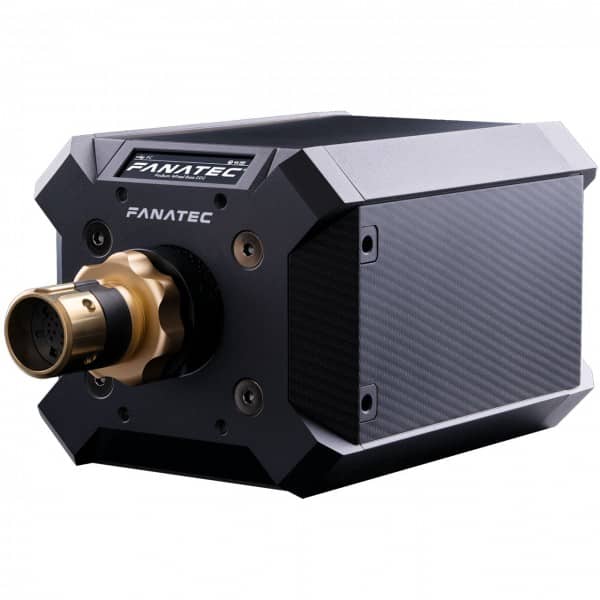
Fanatec Podium Wheel Base DD2: My quick review
This DD2 gave me the sensation of moving from a "video game" steering wheel to a real piloting tool, with a very clear feel for grip and corrections. It makes sense for regular simracers, equipped with a rigid cockpit and ready to invest time in fine-tuning. It's a worthwhile investment if you take a long-term view of sim racing.
When you buy through our links, we may earn an affiliate commission.
Fanatec Podium Wheel Base DD2: my opinion after intensive use
In the direct drive "high-end consumer" segment, the Fanatec Podium Wheel Base DD2 is clearly in the big league. This is a base designed for those who want very high torque, ultra-detailed force feedback and a feel close to a pro setup, while remaining within the Fanatec ecosystem.
On paper, the DD2 promises more power, longer life and greater finesse than belt-driven bases or entry-level direct drives. In practice, however, it appeals above all to simracers who already have a bit of experience, ride regularly and want an "endgame" or near-endgame for their cockpit.
For my part, I looked at three things in particular: precision of feel (fine grip reading, transitions, blocking), consistency over long sessions, and versatility with different types of steering wheel and car. The objective is simple: does the DD2 really justify the price differential with a more modest direct drive, or are we mainly paying for the "Podium" badge?
This is a product that claims to be premium. The question is to know whether, once on the track, it really improves riding... or whether it's just a big engine that impresses in the first few minutes.
Design, manufacture and perceived quality
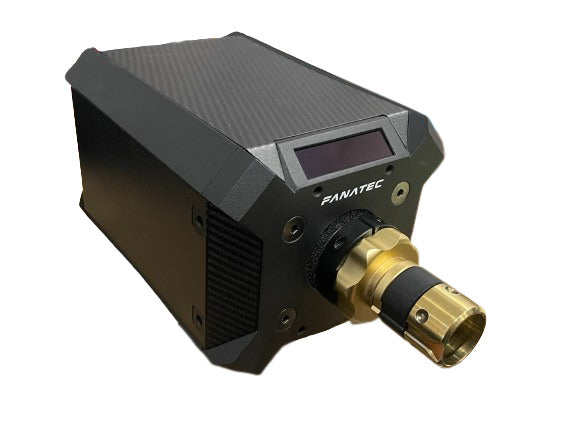
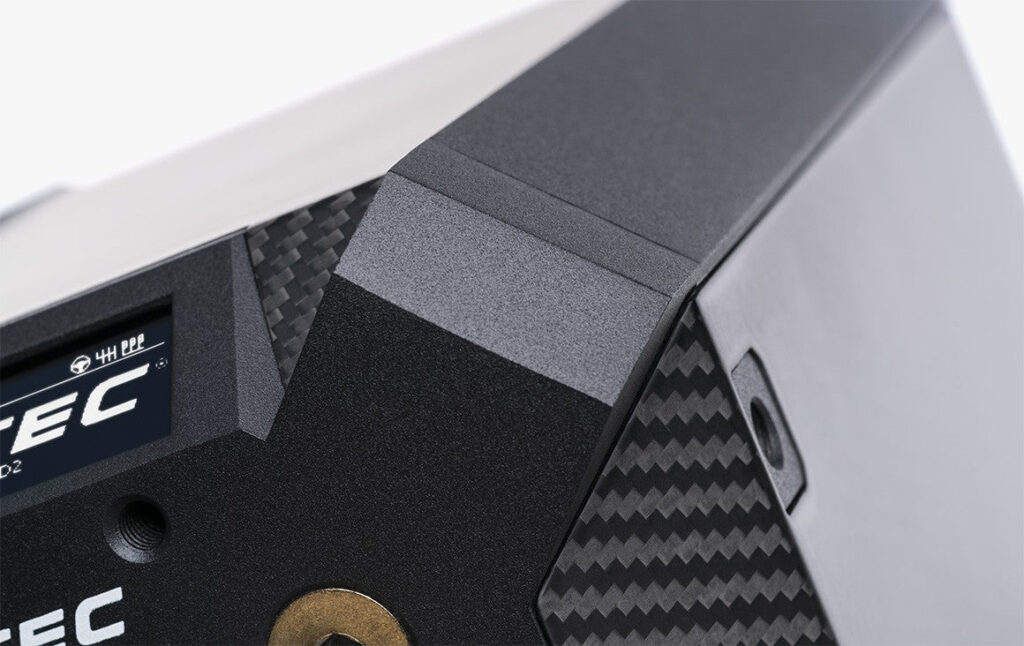
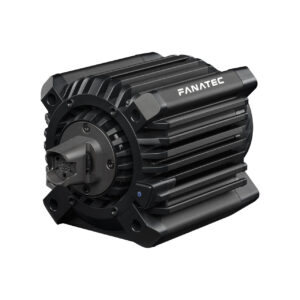
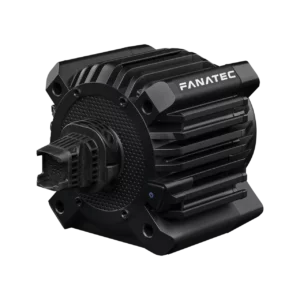
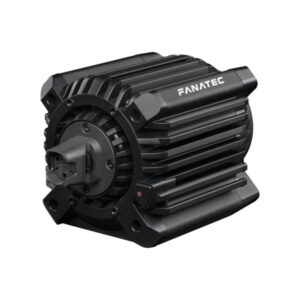
Visually and in hand, the Podium DD2 exudes seriousness. The solid aluminum block gives an immediate impression of density. You feel as if you're putting an industrial piece on your cockpit, not a gaming accessory. The anodized surfaces, clean edges and overall finish give confidence, especially for intensive use.
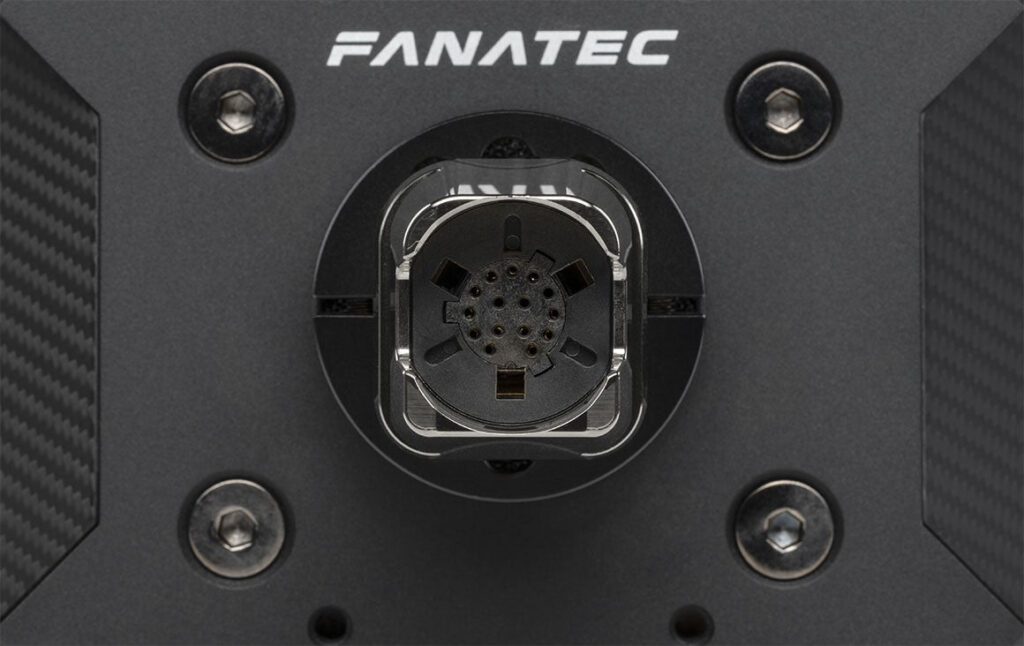
Rigidity is the name of the game. Once correctly attached to a sturdy chassis, the base doesn't move, twist or "ring hollow". The connection with the Fanatec flywheels via the metal quick release is firm and clean. In hand, when handling the steering wheel at standstill, you feel very little parasitic play, which is reassuring for a product of this level.
What's immediately surprising is the engine's imposing size and the sensation of torque, even at standstill, when you move the steering wheel. Everything feels more "solid" than a belt-driven base or a more compact direct drive. You get the feeling you're holding something serious, designed to take a beating.
On the other hand, size and weight demand a rigid cockpit. On a lightweight chassis or folding steering wheel support, it becomes clearly oversized, and this is felt in rather unpleasant structural vibrations. Another small drawback: the industrial design may seem cold to some, especially when compared with more compact, designer bases that take up less space visually.
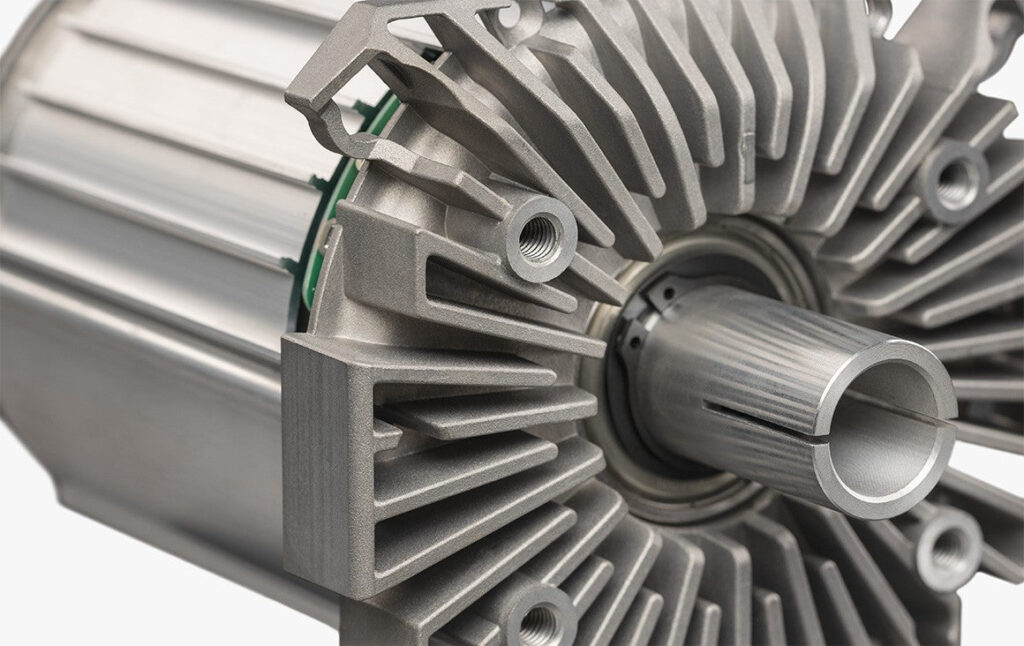
Compared with more affordable direct-drive bases, the DD2 feels more robust and stable over time. You can feel that the heat dissipation and assembly have been designed for long, repeated sessions, not for occasional living-room use.
Settings, customization and compatibility
In terms of settings, the DD2 offers great depth without being totally unreadable. We find the classic parameters of overall force, filtering, damping, friction and inertia, with the possibility of fine-tuning the character of the force feedback. Built-in presets help you get off to a good start, then adjust to suit your tastes.
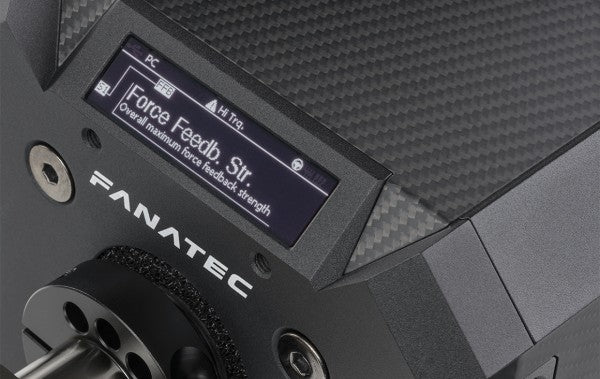
Menu navigation via the screen and integrated scroll wheel is very practical. Profiles can be modified without having to go back to the PC once everything has been set up, which is appreciated when juggling several sims. There's clearly a learning curve: to get the best out of DD2, you need to take a little time and test things out, especially when it comes to adapting couple violence to your own comfort level.
The really useful settings are those that play on the roughness of the transfers (damping/friction) and those that filter the high frequencies a little. With such a powerful engine, a setting that is too harsh will quickly tire the forearms and make riding less clean. Properly calibrated, on the other hand, the DD2 becomes very easy to read and use.
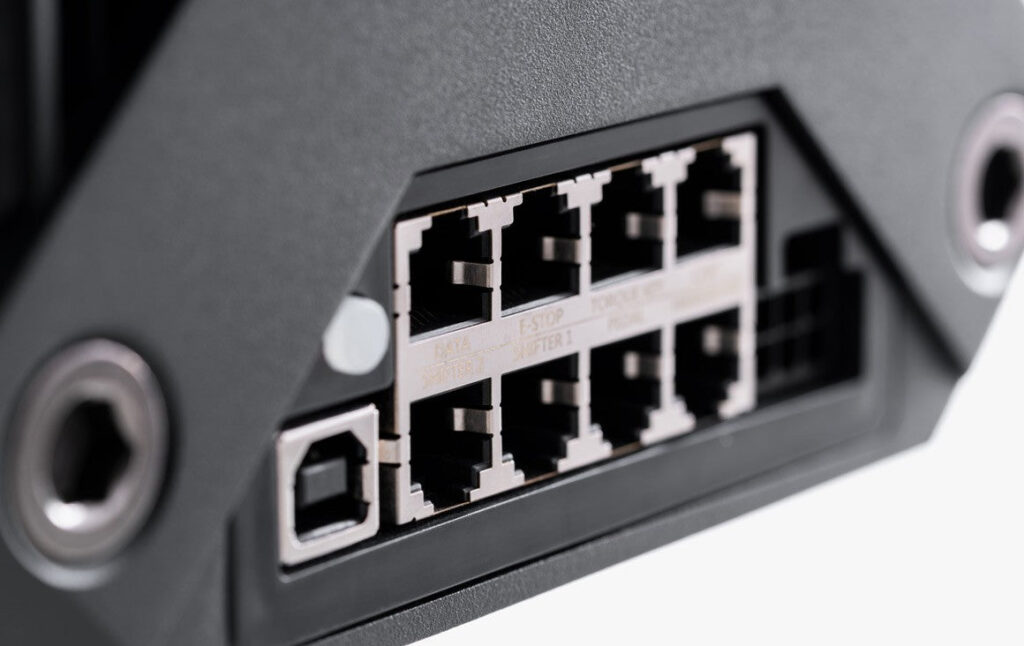
In terms of compatibility, the base is aimed primarily at PC users, but can also be integrated into a console setup with the right steering wheels and components from the Fanatec ecosystem. The major advantage is precisely this ecosystem: a wide choice of steering wheels (GT, F1, rally), pedals, shifters, handbrakes, everything communicates quite well together.
In terms of upgradeability, the DD2 is more of a "culmination" than an entry point. You don't buy this to upgrade to something bigger in six months' time. It's a base that can reasonably accompany several generations of flywheels and cockpits, as long as you know you're staying in sim racing for the long term.
Sensations in play: where DD2 makes the difference
On the track, the first thing that stands out is the precision of the force feedback. The direct drive motor transmits micro-variations in grip, small stalls and changes in front-end load very clearly. You immediately understand what the car is doing, especially under hard braking and on slightly optimistic corner entries.
When cornering fast, torque stability is remarkable. The steering wheel doesn't "pump", nor does it give the impression of crashing or losing force as the load increases. You can maintain a slight counter-brake, adjust to the millimeter, and the feedback remains constant. The torque available in reserve gives you plenty of room for correction.
Grip reading is a major strength. When the tire starts to stall, you can feel it through a slight loss of resistance and a change in texture in the FFB. You can clearly see when you're still in the grip zone and when you're really slipping. This is invaluable for working on trajectories and clean corner exits.
On vibrators and edges, DD2 can become very lively. Depending on the setting, you go from a very raw, almost "physical" rendering where each vibrator really shakes the arms, to something more filtered, more realistic and less caricatured. Properly adjusted, you can feel the height, the roughness, the difference between a flat vibrator and an aggressive "sausage kerb". You know immediately when you've bitten off too much.
Over long sessions, consistency is impressive. The base doesn't get uncomfortably hot, power levels remain stable and there's none of the progressive degradation that can sometimes be felt on less well-cooled systems. Fatigue then comes mainly from the power you decide to use. If you set the power too high, your forearms will feel the strain. With the right dosage, you'll find an excellent compromise between immersion and endurance.
In fast corrections, this is where the high torque really changes the experience. Unintentional drifting, loss of rear end or late braking can be recovered with great control. The steering wheel quickly returns to center, but without any irregular jerking. You can let the base "work" with your hands, rather than struggle against an engine at the end of its stroke.
Compared with a less powerful base (a moderate direct drive or a good belt drive), the difference isn't just in brute force. Above all, we gain in reaction speed, information compression and readability of transitions. Where a more modest base would give a "caution, you're slipping" sign, the DD2 gives the full chronology of the stall. For those who know how to read this language, it's a real plus.
On the other hand, for a very occasional user or one with little sensitivity to the nuances of FFB, this excess of detail and power may seem excessive. You need to be prepared to invest a minimum of effort in settings and piloting to exploit everything the base sends out.
Who's it for? What we like, what we don't like
The Fanatec Podium DD2 is clearly aimed at intermediate to advanced simracers, who regularly run mainly on PC, and who already have (or plan to have) a rigid cockpit. Highly-motivated beginners may also find something to their liking, but they run the risk of paying a high price for a potential that they won't be able to exploit immediately.
What really stands out is the precision of the force feedback. The fine reading of grip, load transfers and small chassis movements really brings out the best in the games' physical models. Then there's the exploitable power: you can ride hard, with high torque, without the base stalling or becoming unstable. Finally, the feeling of seriousness and durability: once installed, the base gives the impression of a long-term investment, not a seasonal gadget. You get the impression of having a real "pillar" in your setup.
On the other hand, there are a number of limitations. The price puts the DD2 in the category of heavy investments: it's not an impulse buy, especially if you add steering wheels and an adapted cockpit. Its size and power require a rigid chassis and a dedicated environment, making it unsuitable for a multi-purpose living room or light office. Finally, the need to fine-tune the FFB can be confusing. Used "out of the box" without adjustment, the feel may be too violent or too raw for some members of the public.
In terms of perceived value, it all depends on your profile. For an enthusiast who rides several times a week, the DD2 can replace several successive upgrades (belt base, then small direct drive, etc.). For a more occasional player, the price differential with a more modest direct drive is less obvious to justify.
Verdict: DD2 in a modern sim racing setup
The Fanatec Podium Wheel Base DD2 clearly changes the basis of a setup. We go from a wheel that "simulates" the car's behavior to a tool that translates it almost unfiltered. Grip nuances, glide corrections and high-speed stability gain in clarity. It's a real asset for working on consistency and feel.
In today's market, we're talking about a premium product, positioned above the more accessible "consumer" direct drives, without falling into the exotic or purely industrial category. It's aimed at those who want to approach a "pro" level, while remaining within a complete ecosystem that's relatively easy to upgrade.
I recommend it to demanding simracers, already convinced that they're going to stay with this passion for a long time, with the desire to capitalize on a base that they won't change every year. On the other hand, for a first purchase or occasional use on a modest cockpit, a more affordable and compact base will often be more coherent.
If you're looking for an ultra-powerful, ultra-precise direct drive base that can withstand hours of riding and become the solid heart of your cockpit, this product can clearly make the difference in your setup.</final



Reviews