
Fanatec ClubSport Pedals V3 inverted : Test & Review | What it's really worth in 2026
Fanatec ClubSport Pedals V3 inverted: My brief review
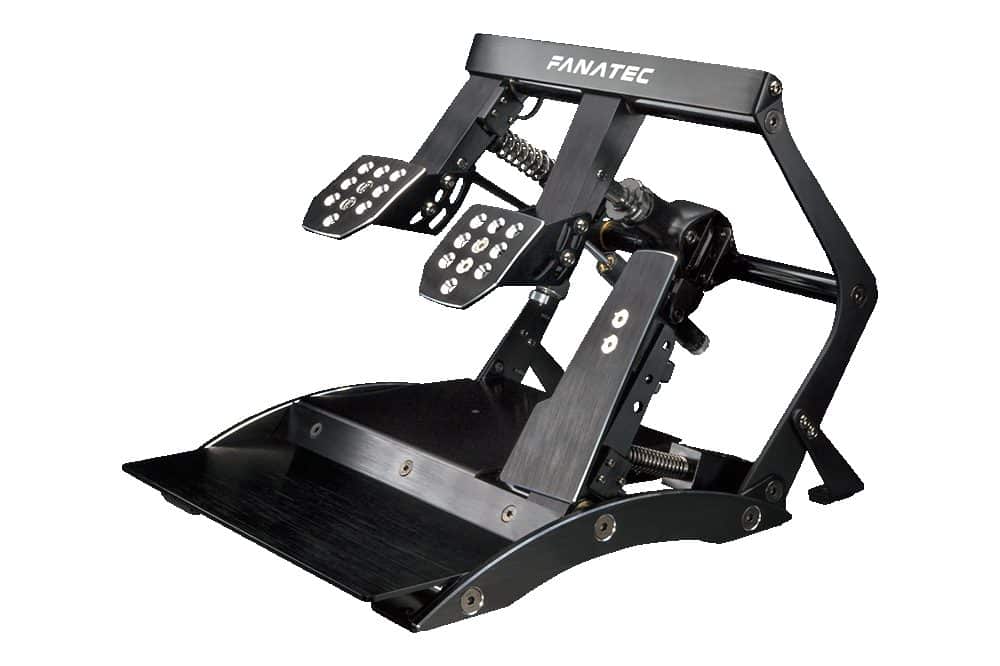
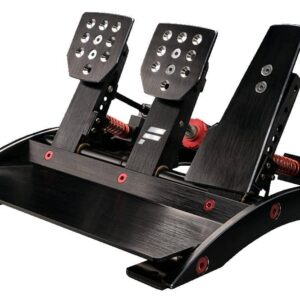
Fanatec’s high-end pedal set reverses the pivot points of the brake and clutch upward to replicate the long travel and ergonomics of a real car. It combines a 90 kg load cell, a factory-installed hydraulic damper kit, and a CNC-machined all-aluminum construction. The adjustment options are virtually endless, and two vibration motors provide feedback on wheel slip and lockup. This is a durable piece of equipment that helps improve your driving skills—provided you’re willing to pay the price.
When you buy through our links, we may earn an affiliate commission.
What We Liked
- High-precision 90-kg load cell, force-based measurement
- Factory-Installed Hydraulic Shock Absorber Kit
- CNC-machined all-aluminum construction, ultra-sturdy
- Long travel and ergonomics similar to those of a real car
- Virtually infinite adjustment options (plates, angle, springs, stroke)
- Two useful vibration motors (slip, ABS)
Reserves
- High price, nearly double that of standard V3 models
- A little flex if the cockpit isn't stiff enough
- On console, only via a Fanatec base
- The performance gain is less pronounced in single-seaters than in GTs or road cars
Technical Specifications
| Brake Type | 90 kg load cell (under load) |
| Construction | CNC-machined aluminum, all-metal |
| Throttle and Clutch Sensors | Contactless Hall sensor, 4x the resolution of the V2 models |
| Resolution | 12 bits (4096 points) via a recent base unit or direct USB connection |
| Shock Absorber | Tool-free, adjustable hydraulic kit, mounted on the brake |
| Vibrations | 2 motors (throttle and brake) |
| Connectivity | RJ12 to Fanatec base, direct USB connection to PC |
| Console compatibility | Via a Fanatec base only |
| Includes | Extension pieces, D-shaped plates, springs, feet, grease, cables |
| Warranty | 3 years |
Pedals modeled after those in a real car
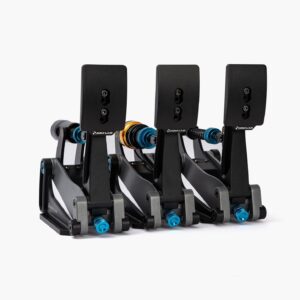
The key feature of these ClubSport Pedals V3 Inverted is right there in their name. Fanatec has inverted the pivot points for the brake and clutch upward, so that these two pedals are suspended, while the accelerator remains on the floor. The result is immediately noticeable once your feet are in position: the travel is longer, and the feel is reminiscent of a road car. You’ll instantly recognize this sensation when you apply gradual braking, whereas conventional pedals offer a shorter, more abrupt movement.
The 90-kg load cell, the heart of the system
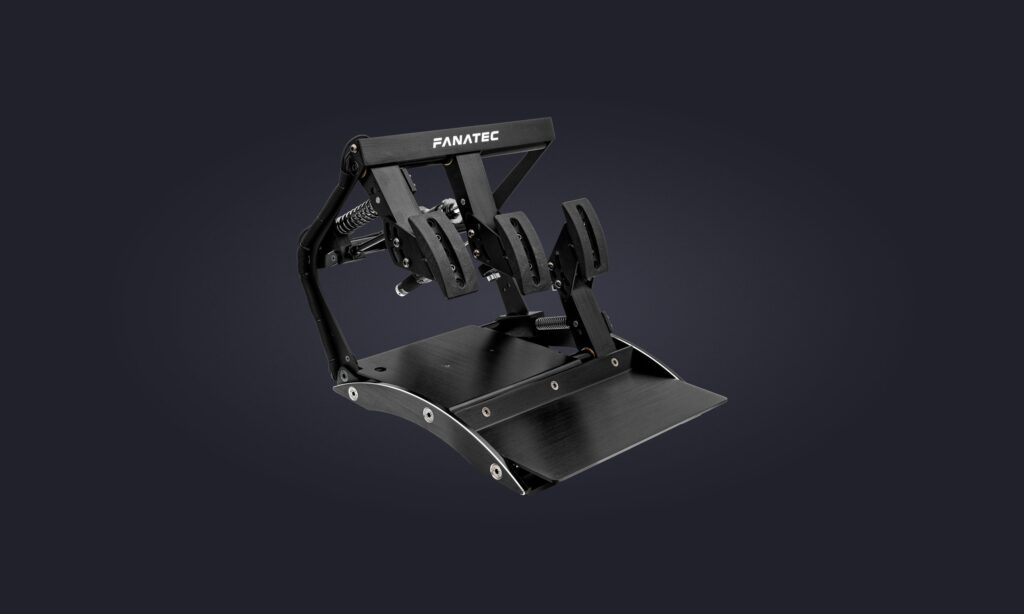
The brake relies on a 90-kg pressure sensor. In practice, you no longer control the travel but the force—exactly like in a real car—by adjusting the muscle tension in your calf. It takes a few laps to get your foot used to it, but then the precision becomes amazing—you apply firm pressure as you enter a turn and release it with millimeter precision at the apex. The hydraulic damper kit, which comes standard on the brake (it’s sold separately on other models), adds a very natural progressive resistance. You can adjust its stiffness with a dial—no tools required—right in the middle of a session.
Manufacturing That Inspires Confidence
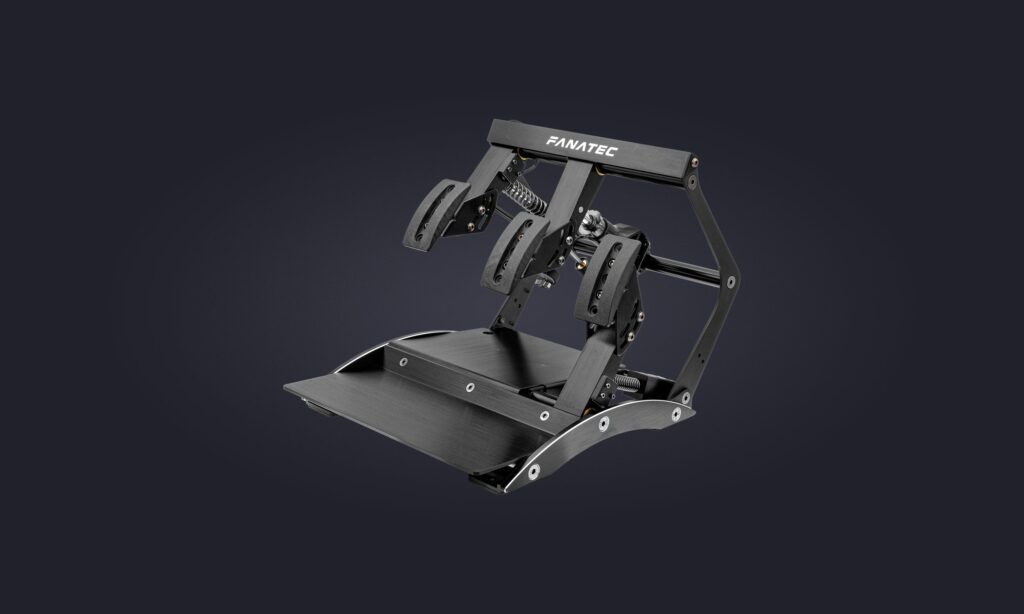
The structure is made entirely of metal—CNC-machined aluminum—with sturdy side panels. The unit is heavy and stable; it must be securely bolted to a rigid cockpit to get the most out of it. On a flexible or poorly secured base, we noticed some flex, which is to be expected given the forces the airframe withstands. Two vibration motors round out the system: one on the throttle that signals wheel spin and oversteer, and one on the brake that simulates ABS and warns of wheel lockup. In-game, this feedback really helps you feel the limits of traction.
We take care of absolutely everything
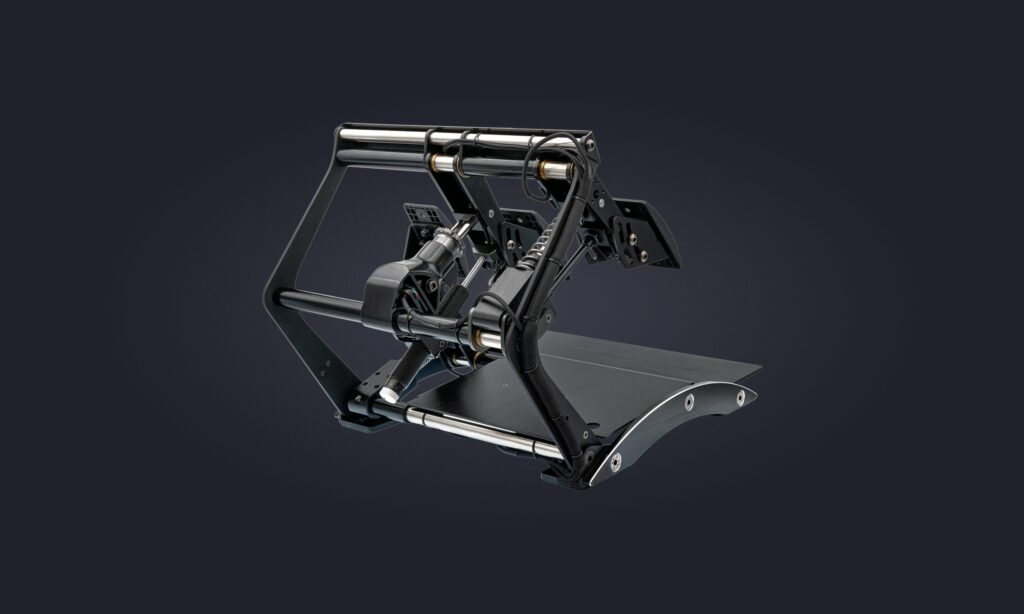
This is undoubtedly the biggest strength for everyday use. Plate positioning along all axes, angle, spring stiffness at the throttle, brake sensitivity and travel—plus the included extensions and D-shaped plates. You can easily switch from a soft setting for GT driving to a very firm brake setup for chasing lap times. The contactless Hall effect sensors for the throttle and clutch offer four times the resolution of the V2 models, with 4,096 points via a recent base unit or direct USB connection, resulting in very precise control and reassuring durability.
Compatibility and Connection
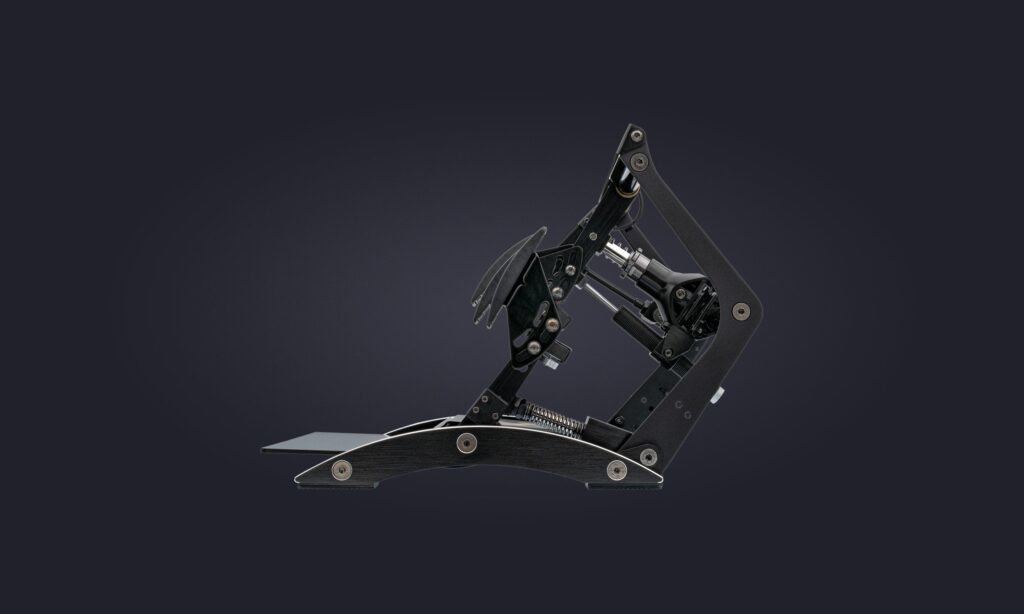
These pedals connect to any Fanatec base via the RJ12 connector. On a PC, you can also plug them directly into a USB port to use them as a standalone device, including with a steering wheel from another brand if the game supports a second controller. On consoles, however, you must use a Fanatec base; a USB connection alone is not sufficient, and the ClubSport USB adapter is not compatible. RJ12 and USB cables, extension cables, springs, mounting plates, stabilizer feet, and grease are included in the box, along with a three-year warranty.
Long sessions and pointe work
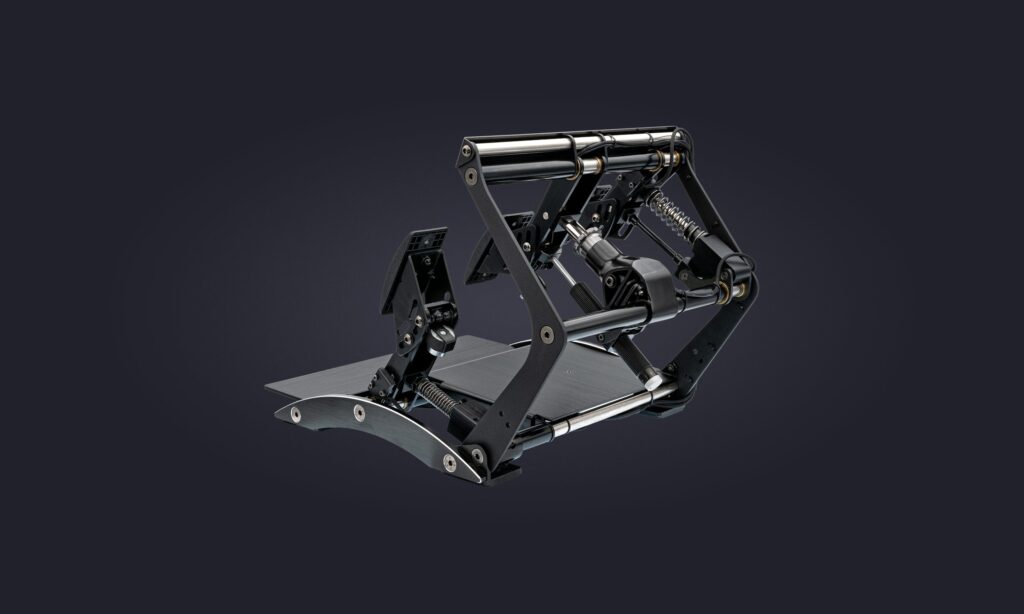
On endurance relays, the extended travel and shock absorption make the foot feel less fatigued than with a very short, abrupt brake stroke. Heel-to-toe shifting is a real pleasure; the pedal spacing and height feel just right underfoot. One small, honest caveat: the improvement is most noticeable in road cars or GTs; a very experienced single-seater driver will notice a smaller difference compared to the standard V3s, while the price, however, rises significantly.
Our Opinion
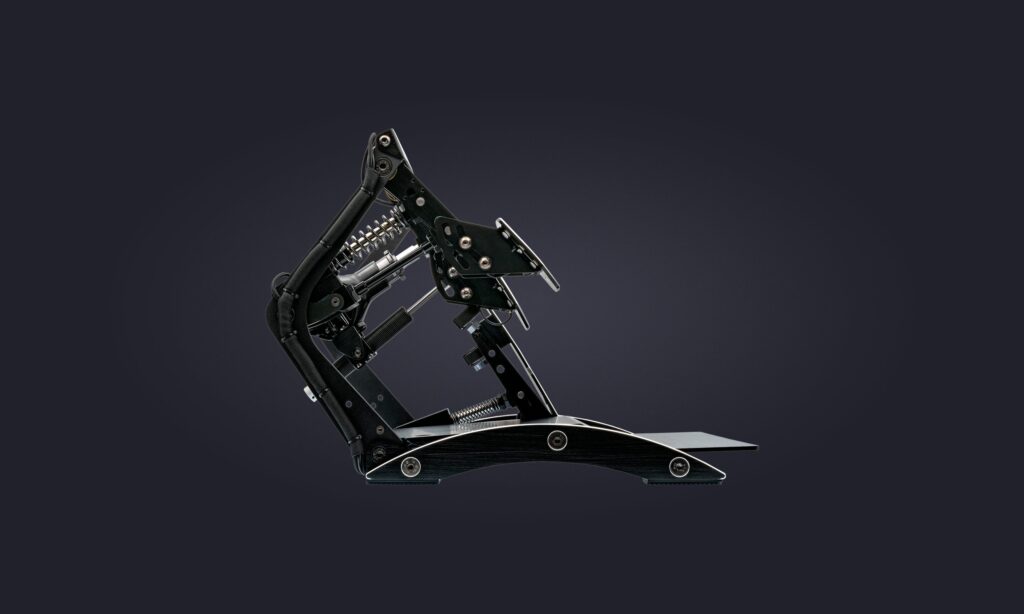
The ClubSport Pedals V3 Inverted are among the best consumer-grade pedal sets available today. With tank-like build quality, a highly precise load cell, factory-tuned damping, and infinite adjustability, this is equipment built to last and designed to help you improve your driving skills. We recommend them to anyone looking for a driving experience close to that of a real car, keeping in mind that this is clearly a high-end investment.




Reviews