MOZA R9 V2 : Test & Review | What it's really worth in 2026
MOZA R9 V2: My quick review
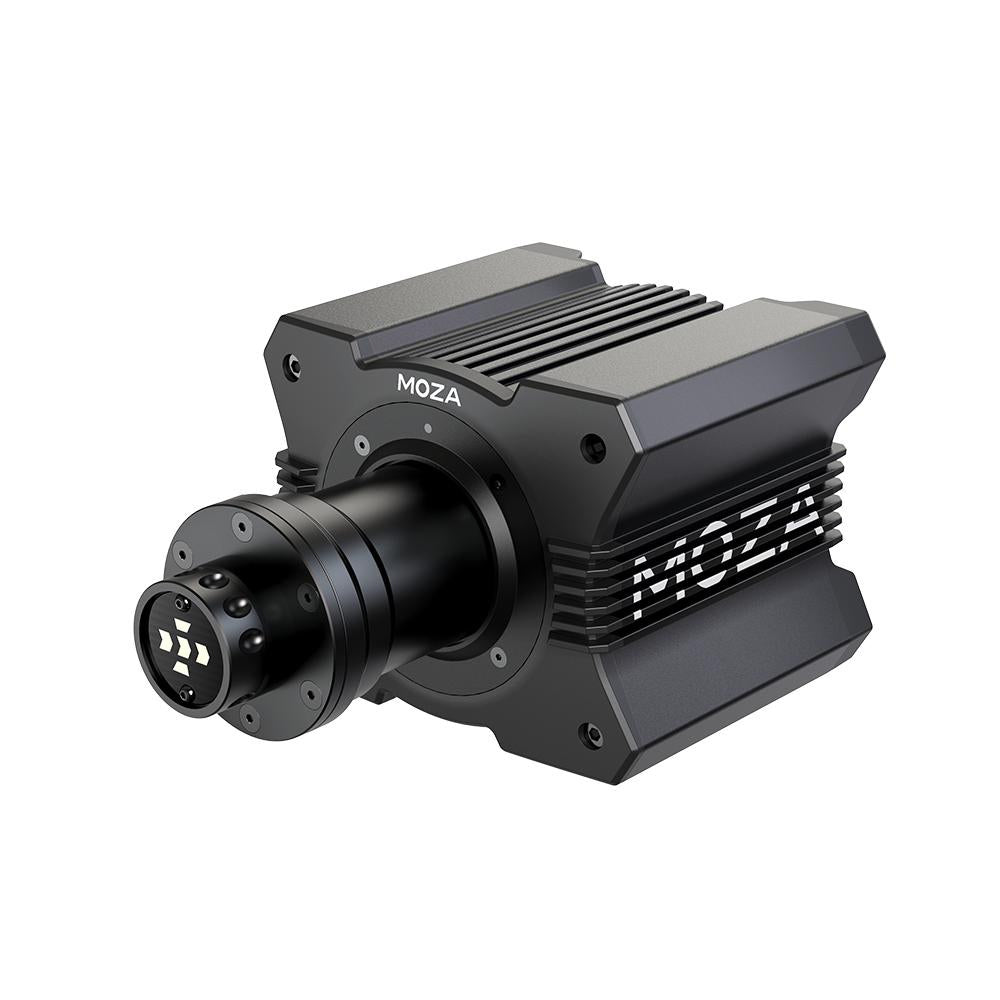
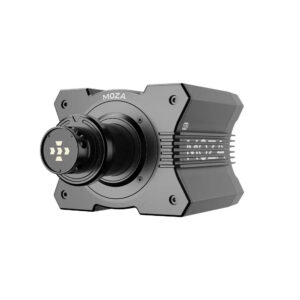
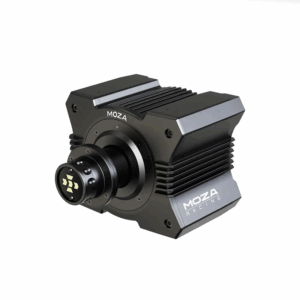
The MOZA R9 V2 is a 9 Nm cube-shaped direct-drive gimbal head, machined from aerospace-grade aluminum alloy. It’s designed for filmmakers who want to switch to direct drive without moving into the very high-end market, offering crisp and detailed force feedback. It features quiet, fanless operation, wireless quick release, and the full Pit House software suite. On the downside, it’s PC-only, and its rear power button isn’t the most convenient.
When you buy through our links, we may earn an affiliate commission.
What We Liked
- Compact and extremely rigid aluminum frame
- 9 Nm of direct torque, responsive and detailed
- Completely silent, fanless operation
- Solid thermal endurance during long sessions
- Complete Pit House software with preset profiles
- Wireless quick-release system—fast and backlash-free
- Scalable MOZA Ecosystem
Reserves
- PC-only compatibility; no consoles
- Power button on the back—not very practical for everyday use
- Slightly jerky feedback at very low speeds
- Quick-release mechanism without the small mechanical click found in high-end models
- A case that gets warm during very long sessions
Technical Specifications
| Maximum torque | 9 Nm |
| Maximum power | 180 W |
| Motor type | direct-drive servo |
| Material | aeronautical aluminum alloy |
| Dimensions | 240 x 157 x 124 mm |
| Rotation | unlimited |
| USB Frequency | 1000 Hz |
| Power supply | 110 to 220 V AC to 36 V DC |
| Compatibility | PC (MOZA ecosystem) |
| Assembly | 4 bottom holes, adjustable-angle bracket and side mount, table clamp |
| Quick release | Yes, power and wireless communication |
An aluminum cube that holds its own among the big players
When you place the MOZA R9 V2 on your desk, the first thing that strikes you is its solidity. The aerospace-grade aluminum alloy housing gives the impression of a solid block, with thick walls and sharp edges. For a direct-drive base capable of delivering 9 Nm, it remains surprisingly compact—a true little cube that you can install without having to rearrange your entire cockpit. This compactness isn’t just for looks—it reflects a philosophy: to pack a serious direct-drive motor into an accessible format, both in terms of the space it takes up and the budget it requires.
It’s this positioning that makes the R9 V2 appealing. It’s aimed at riders who already use belt- or sprocket-driven bikes and want to finally experience the difference that direct drive makes—without necessarily going for the 15, 20, or 25 Nm “monsters.” In this niche, it checks a lot of boxes, and we wanted to see how well it holds up once we got our hands on it.
Rigidity Above All Else
The build quality is clearly a strong point. Once the base is secured—whether through the four holes on the bottom, the adjustable-angle mount, or the desk clamp—nothing moves. The quick-release mechanism—which also handles power and communication for the wireless steering wheel—locks into place with reassuring firmness. Once the steering wheel was in place, we didn’t feel any play or wobble, which is far from always the case in this price range. You really get the feeling of holding a monolithic unit, where the engine’s torque is transmitted directly to the rim without being lost to unwanted structural vibrations.
There was one detail, however, that annoyed us on a daily basis: the power button is located on the back of the case. In a cockpit where the base is screwed in so that it faces you, fumbling around for that button quickly becomes a bit of a chore during every session. It’s not a deal-breaker, but it’s the kind of ergonomic detail you notice when you’re actually using it.
9 Nm—and that's already a lot
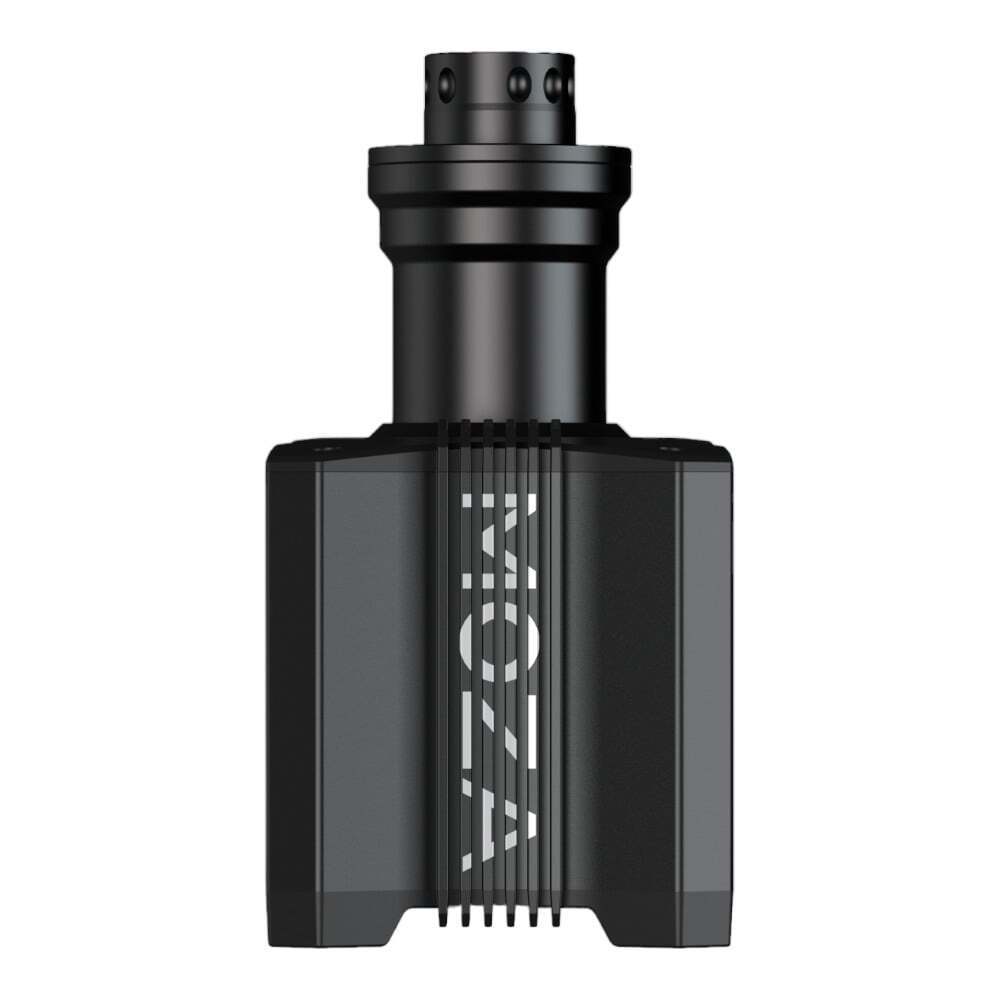
In the world of torque, 9 Nm sometimes seems like a small number. On the track, however, the reality is quite different. For the vast majority of drivers, this torque is more than enough for their arms and wrists, and above all, it’s delivered very smoothly. The direct-drive motor responds instantly, without the lag or delay typical of belt-driven systems. Every small movement of the steering wheel, every micro-correction, and every slight weight transfer is transmitted with a precision that makes driving much more intuitive.
The advantage over a belt-driven system is the perceived solidity and consistency of the feedback. Everything feels more direct, more precise. You can feel the car “right at your fingertips” rather than through a filter.
What It Really Changes on the Track
It’s while driving that the R9 V2 really comes into its own. Going into a fast corner, the moment the front end starts to load is perfectly noticeable: you feel the steering wheel gradually stiffen, then lighten just before the front end loses traction. This feedback on front-end load is invaluable for carving out the precise line. Over speed bumps, the suspension clearly conveys the road’s texture—each bump is felt with distinct definition—which greatly helps you modulate aggressive cornering without spinning out.
The great strength of this type of engine is its responsiveness. When the rear starts to slide out, you can feel the understeer coming early enough to correct it, and the steering wheel “snaps back” with a sharpness that gives you the confidence to intentionally induce oversteer. When braking, you can clearly feel small bumps in the road surface and the onset of wheel lockup, allowing you to adjust your braking pressure just in time. After a few hours, you eventually forget about the equipment and focus solely on the car—and that’s precisely when a base model has done its job.
We did notice one minor flaw, though: at very low speeds, the force feedback can feel a bit jerky, with vibrations that are sometimes excessive when the car is moving at a snail’s pace. It doesn’t spoil the experience once you’re up to speed, but it’s noticeable during slow maneuvers and in the pits.
Quiet and durable
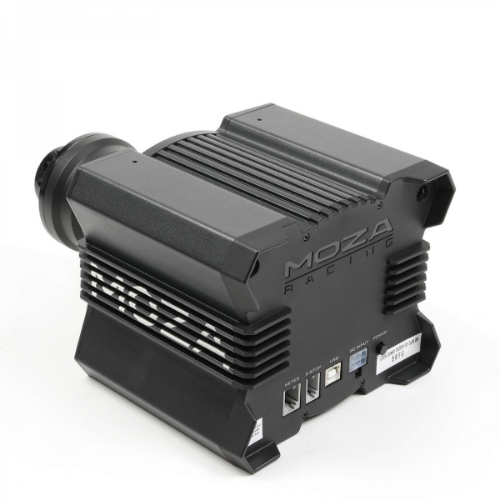
One thing we really appreciated during long gaming sessions: the R9 V2 runs fanless, so it’s completely silent. There’s no mechanical whirring to interfere with the game’s sound—it’s a real pleasure when you’re playing for hours on end. The case gets slightly warm as you drive; it becomes warm to the touch after a while, but we didn’t notice any drop in performance or torque, even after two hours of continuous driving. The thermal management system is clearly doing its job, and the base never goes into safety mode in the middle of a race.
Software that tracks
When it comes to software control, the R9 V2 relies on the Pit House suite, which is quite comprehensive. It includes preset profiles to get you started quickly, and all the settings for force, filtering, and shock response are logically organized. You can adjust everything without getting lost in obscure menus, which is a real plus for a driver who wants to fine-tune their driving experience without becoming an engineer. The MOZA ecosystem is another plus for this base unit: it integrates with the brand’s steering wheels, pedal sets, and accessories, leaving plenty of room for expansion once you’ve gotten started.
Who is the R9 V2 designed for?
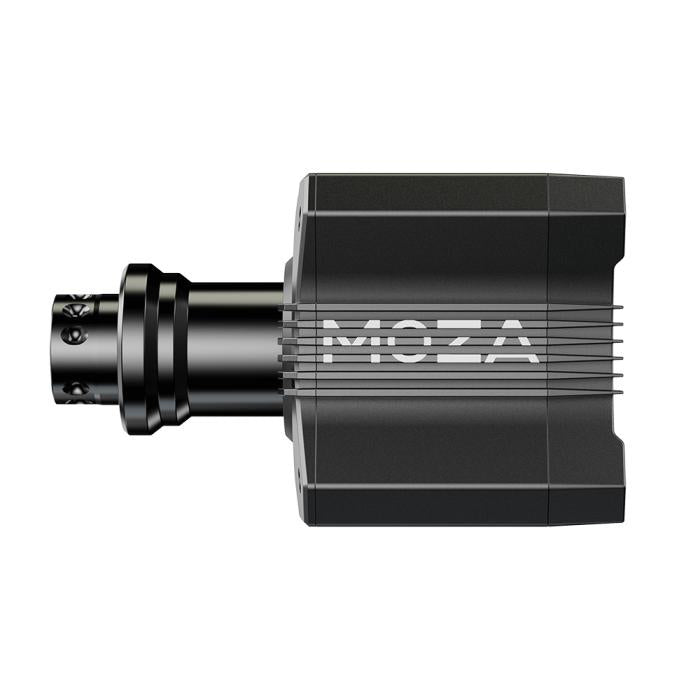
The R9 V2 occupies a pivotal position in the mid-range direct-drive market. More serious and immersive than a belt-driven solution, yet more compact and affordable than high-powered bases, it represents a reasonable investment for taking your setup to the next level. It’s the perfect choice for PC gamers who want to explore direct drive with well-built, upgradeable hardware.
The key thing to check before buying is compatibility: the base works only on PCs and does not support consoles. If you play on Xbox or PlayStation, this isn't for you. For everyone else, it’s a particularly compelling entry point into direct-drive steering, offering most of the feel of high-end models in a smart, compact design.



Reviews